

 عربى
عربى

Provide Customers With High-Quality Water Meter Products
Custom WI Irrigation Water Meter Manufacturers
-
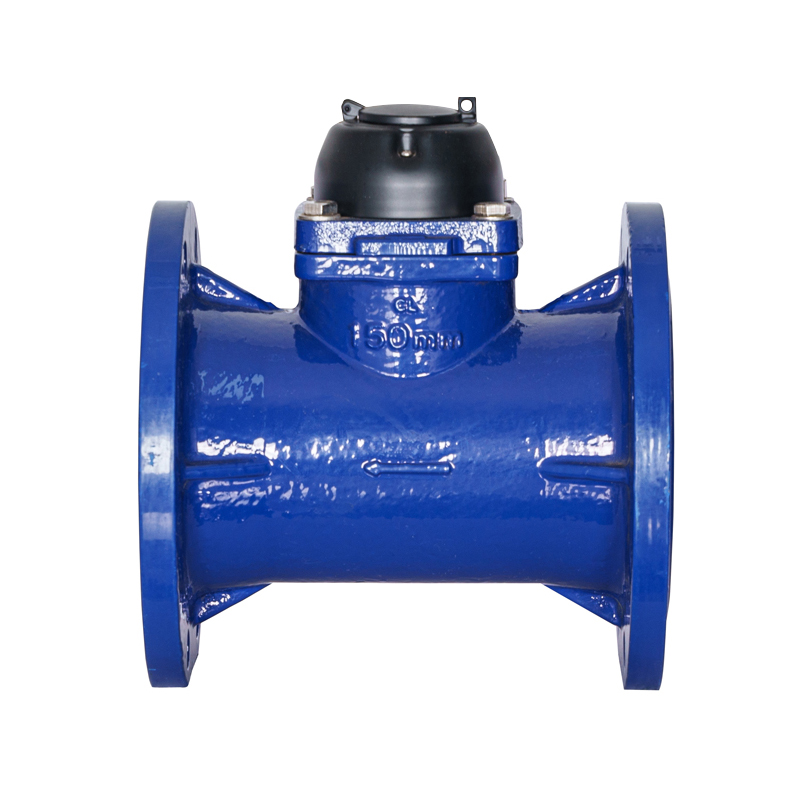
WI-DN50-DN200 Water Cube Irrigation Water Meter
Summary Different from ordinary water meters, the structural design has low pressure loss and large flow capacity, makin...
Start Our Cooperation!
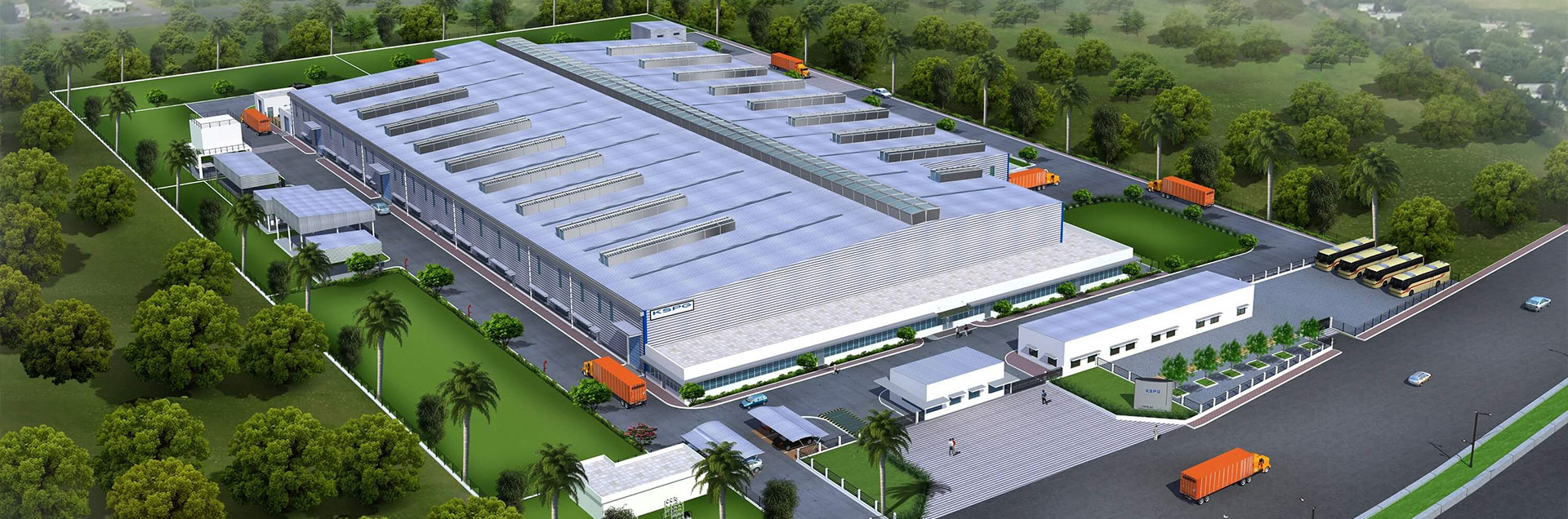
Ningbo Water Cube Instrument Technology Co., Ltd. is China Irrigation Water Meter Manufacturers and Custom Irrigation Flow Meters Factory specializing in producing large-diameter water meters and water meter movements, including product design and development, mold manufacturing, injection molding processing, and assembly and verification. The industrial chain is complete and we have long-term cooperation with many domestic enterprises. Enterprise purpose: quality first, reputation first. Warmly welcome industry colleagues to visit and provide guidance.
-

Industry Standard
-

9+ Industrial Experience
-

Exported To Many Countries
-

7*24 Hours Customer Service
Recent News
Commercial Water Meter Manufacturers & Water Flow Meter Factory Guide for Accurate Metering
12-Mar-2026
How does the WI irrigation water meter adapt to different pressures and water flow rates?
05-Mar-2026Does the WPH horizontal spiral wing water meter offer convenient connection interfaces?
26-Feb-2026Does the WS vertical spiral wing water meter have anti-backflow, anti-impact design, or leakage protection mechanisms?
19-Feb-2026Industry Knowledge
Fundamentals and Value of the WI Irrigation Water Meter
1.1 Definition and Core Purpose of the WI Irrigation Water Meter
A WI Irrigation Water Meter is a measuring instrument specifically designed to accurately quantify the volume of water flowing through an irrigation network. Its fundamental role is to convert water, a fluid resource, into quantifiable, trackable data.
These meters are typically installed at key points like pump outlets, main pipelines, or water distribution nodes to monitor the total consumption and instantaneous flow rate for applications such as agriculture, professional landscaping, or large-scale property irrigation. They are a critical component of modern water management infrastructure.
Accurate Measurement:
The primary function of the WI Irrigation Water Meter is to provide high-precision measurement. The meter calculates the cumulative volume (e.g., cubic meters or gallons) and instantaneous flow rate (e.g., cubic meters per hour or gallons per minute) based on the flow passing through its internal sensing elements.
Cumulative Volume is used for seasonal or annual reporting of water consumption and financial accounting.
Instantaneous Flow Rate is essential for system diagnostics, ensuring the irrigation setup operates at optimal pressure and flow, and serving as an early warning for issues like pipe ruptures or pump performance degradation.
Data-Driven Value:
The data provided by the WI Irrigation Water Meter is crucial for optimizing irrigation schedules and ensuring accountability in water usage:
Scientific Scheduling: Data enables users to avoid over-irrigation by precisely matching water application to crop requirements, often in conjunction with environmental data.
Accountability: In regulated areas, meter data is the necessary evidence to demonstrate compliance with water withdrawal limits and quotas.
System Diagnostics: Consistent logging and analysis of meter readings allow for the timely detection of anomalies, such as flow occurring during system downtime, which indicates a potential leak.
The reliability and precision of water meters are rooted in robust manufacturing. Ningbo Water Cube Instrument Technology Co., Ltd. is a company specializing in producing large-diameter water meters and water meter movements. With a complete industrial chain—covering product design, mold manufacturing, injection molding processing, and assembly and verification—the company ensures the quality of core components. Utilizing its strong team of experts and accumulated experience, Water Cube is committed to providing stable and reliable metering solutions that support users in achieving precise water management and conservation.
1.2 Key Benefits Provided by the WI Irrigation Water Meter
The WI Irrigation Water Meter serves as both a regulatory instrument and a vital tool for operational efficiency and sustainability.
Cost Efficiency: Achieving savings in irrigation water costs through accurate consumption tracking.
Waste Reduction: Knowing precisely how much water is consumed helps users identify and repair inefficient irrigation methods or equipment failures, reducing unnecessary expenditure.
Optimized Energy Consumption: For systems relying on pump stations, water usage is directly tied to pump run time and electricity costs. Optimizing water usage via accurate metering directly lowers energy consumption and related expenses.
Improved System Efficiency: Using WI Irrigation Water Meter readings to quickly pinpoint leaks, inefficiencies, or faulty areas within the network.
Leak Detection: If the WI Irrigation Water Meter continues to register flow when the irrigation system is deliberately off, it is a clear indicator of a leak in the piping. Early detection prevents significant water loss and minimizes potential property damage.
Performance Monitoring: Comparing the designed flow rate against the actual instantaneous flow measured by the meter helps evaluate the performance of pumps and pipelines. A lower-than-expected flow might signal blockages or pressure drops.
Water Resource Conservation: How the WI Irrigation Water Meter promotes responsible water use and long-term sustainability.
Data Transparency: Meter data enhances the transparency and manageability of water use, encouraging users to treat this finite resource more prudently.
Sustainable Practices: Data analysis validates the effectiveness of water-saving technologies (e.g., precision drip systems), promoting the adoption of more sustainable irrigation practices.
Comparative Analysis of Main WI Irrigation Water Meter Technologies
Selecting the appropriate WI Irrigation Water Meter depends on factors like water source quality, required accuracy, budget, and flow characteristics. Market-dominant irrigation meter technologies fall into two categories: mechanical (relying on moving parts) and electronic (no moving parts).
2.1 Mechanical WI Irrigation Water Meter (Mechanical Meters)
Description and Working Principle:
Mechanical meters are the most traditional and widely deployed devices. They operate by using the water flow to drive internal moving parts like impellers, turbines, or helix vanes. The rotation is mechanically transferred to a register that records the total water volume. These meters are structurally simple and durable.
Pros and Cons Analysis:
Here is a comparison of key parameters for mechanical WI Irrigation Water Meters:
| Feature | Pros | Cons |
| Initial Cost | Low, making them budget-friendly. | — |
| Accuracy | Good accuracy within the medium to high flow range. | Accuracy may suffer at very low flow rates or during high flow volatility. |
| Sensitivity to Water Quality | High sensitivity. | Highly susceptible to wear, clogging, and damage from sediment, debris, or mineral deposits. |
| Maintenance | Relatively straightforward; malfunctions are easy to spot. | Contains moving parts that are prone to wear, necessitating periodic cleaning and replacement of components. |
| Pressure Loss | Exhibits medium to high pressure loss. | The internal components obstruct the flow path, causing a measurable pressure drop. |
Best Application Scenarios:
This type of WI Irrigation Water Meter is recommended for traditional irrigation systems with clean water (e.g., pre-filtered groundwater), limited budgets, or relatively stable flow rates.
2.2 Electromagnetic WI Irrigation Water Meter (Electromagnetic (Mag) Meters)
Description and Working Principle:
The electromagnetic flow meter is an electronic device based on Faraday's Law of Electromagnetic Induction. A magnetic field is generated perpendicular to the fluid flow; as conductive liquid passes through, a voltage is induced proportional to the flow velocity. Sensors measure this voltage, which is converted into flow rate and volume.
Pros and Cons Analysis:
| Feature | Pros | Cons |
| Initial Cost | Higher than mechanical meters. | — |
| Accuracy | Extremely high, maintaining accuracy across a wide flow range. | — |
| Sensitivity to Water Quality | Low sensitivity to water quality. | Requires conductive liquid only; cannot measure non-conductive fluids. |
| Maintenance | Very low. | No moving parts means minimal maintenance; requires external power or battery source. |
| Pressure Loss | Very low or negligible. | The measuring tube features a full-bore, unobstructed design. |
Best Application Scenarios:
The electromagnetic WI Irrigation Water Meter is ideal for applications requiring high-accuracy reporting, or when the water source contains sediment, chemicals, or is reclaimed water, benefiting from its lack of internal moving parts.
2.3 Ultrasonic WI Irrigation Water Meter (Ultrasonic Meters)
Description and Working Principle:
Ultrasonic meters use acoustic principles to measure flow. Two common methods are:
Transit-Time: Measures the time difference between ultrasonic signals traveling with and against the flow; this difference is proportional to the fluid velocity.
Doppler: Measures the frequency shift of ultrasonic waves reflected off particles in the flow to calculate velocity.
Pros and Cons Analysis:
| Feature | Pros | Cons |
| Initial Cost | Higher, comparable to electromagnetic meters. | — |
| Accuracy | Extremely high, unaffected by fluid temperature, density, or viscosity. | — |
| Fluid Requirements | Can be used with non-conductive liquids. | Sensitive to air bubbles, turbulence, or rapidly changing flow profiles. |
| Maintenance | Very low. | No moving parts means minimal maintenance; relies on battery or power. |
| Pressure Loss | Very low or negligible. | Unobstructed pipe design prevents pressure loss. |
Best Application Scenarios:
The ultrasonic WI Irrigation Water Meter is suited for precision agricultural systems demanding the highest accuracy, lowest maintenance, and non-invasive measurement.
Regardless of the technology—mechanical, electromagnetic, or ultrasonic—the core of the water meter lies in its movement (mechanism) and manufacturing precision. Ningbo Water Cube Instrument Technology Co., Ltd. specializes in producing large-diameter water meters and water meter movements. The company’s complete industrial chain, covering product design, mold manufacturing, injection molding processing, and assembly and verification, ensures the quality of its components. Utilizing its strong team of experts and accumulated experience, Water Cube is committed to providing accurate and reliable metering solutions that meet high standards for structural integrity and accuracy, which is fundamental for any WI Irrigation Water Meter.
How to Select the Right WI Irrigation Water Meter
Selecting the correct WI Irrigation Water Meter is vital for measurement accuracy, system efficiency, and longevity. Users must consider hydraulic properties, source water quality, and required performance.
3.1 Flow Rate Requirements and Sizing Match
The primary criterion is ensuring the meter's size and range fit the system's actual operating conditions.
Determine System Rated Flow: Users must calculate the system's maximum flow and minimum flow demands based on irrigation design parameters (e.g., sprinkler count, pipe size, pump capacity).
Matching Meter Size:
Meter Too Large: Flow velocity may drop below the meter's minimum startup flow, leading to inaccurate low-flow measurements.
Meter Too Small: Flow velocity may exceed the meter's maximum safe rate, causing measurement errors, excessive pressure loss, and potentially shortening the WI Irrigation Water Meter lifespan.
| Selection Parameter | Standard Requirement | Impact |
| Maximum Flow (Qmax) | System maximum flow must be less than the meter's maximum continuous flow rating. | Ensures the meter is not damaged by overload. |
| Minimum Flow (Qmin) | System minimum flow must be greater than the meter's minimum reliable measuring flow. | Guarantees accuracy during low-volume or minimal overnight usage. |
| Pressure Loss | Meter-induced pressure loss must fall within the system's design tolerance. | Affects the effective pressure and coverage area at the irrigation field's periphery. |
3.2 Water Quality Considerations for the WI Irrigation Water Meter
Source water quality is paramount, as impurities affect different meter technologies drastically.
Source Assessment: Users must analyze their water source (e.g., surface water, well water, or recycled water) for concentrations of sand, silt, algae, minerals, or chemical residues.
Durability Selection:
Containing Sand and Silt: Mechanical meters are highly vulnerable to wear and clogging. In these cases, non-moving part meters like Electromagnetic or Ultrasonic WI Irrigation Water Meters offer superior durability.
Chemically Treated Water: If the water contains added fertilizers or chemicals, the meter must have corrosion-resistant internal materials or liners.
3.3 Accuracy, Reliability, and Maintenance
Long-term stability and precise measurement are the key values of any WI Irrigation Water Meter.
Accuracy Class Requirements: Industry standards typically require the meter error to be within a low percentage (e.g., ± 2%) across its rated flow range. High-accuracy demands usually necessitate electronic technology.
Reliability Considerations:
Evaluate the meter's performance under harsh field conditions, including temperature extremes, humidity, or vibration.
High-reliability meters should feature robust protection (e.g., IP68 protection rating) against environmental ingress.
Maintenance Needs Overview:
Mechanical Meters: Typically require higher maintenance, including potential disassembly for cleaning and periodic calibration.
Electronic Meters (Mag/Ultrasonic): Maintenance is generally lower, mainly involving battery monitoring and sensor checks.
The long-term reliability and accuracy of WI Irrigation Water Meters are direct results of high-quality manufacturing. Ningbo Water Cube Instrument Technology Co., Ltd. focuses on large-diameter water meters and their components, utilizing a complete industrial chain from design and mold creation to assembly and verification. This integrated control ensures the quality of critical components, allowing Water Cube to deliver stable and reliable meters that perform well under high flow and challenging water quality conditions.
Installation and Long-Term Maintenance of the WI Irrigation Water Meter
Even high-quality WI Irrigation Water Meters can fail to provide accurate readings or achieve their full lifespan due to improper installation or neglected maintenance. Correct installation is essential for accurate metering.
4.1 Step-by-Step Installation Guide for the WI Irrigation Water Meter
While detailed steps require consulting the manufacturer's manual, the following are universal requirements for installation:
Site Preparation:
Straight Pipe Run: This is critical for accuracy. The meter requires a sufficient length of straight pipe to ensure smooth (laminar) flow, free from turbulence caused by elbows or valves. Manufacturers typically mandate 10 pipe diameters (10D) upstream and 5D downstream.
Position and Support: The meter must be located where it is easily accessible for reading and maintenance, and shielded from excessive vibration. Large-diameter meters require additional pipe supports to bear the meter's weight and water forces.
Correct Installation and Connection:
Flow Direction: Ensure the arrow on the meter body aligns with the water flow direction. Incorrect installation can lead to recording errors (mechanical) or complete failure (electronic).
Sealing: Use appropriate gaskets and flange connections to ensure all connections are watertight, preventing leaks and air intrusion.
4.2 Common Installation Mistakes to Avoid
Installation errors are a leading cause of inaccurate readings from the WI Irrigation Water Meter.
| Common Mistake | Impact / Consequence | Preventive Measure |
| Insufficient Straight Run | Turbulent flow and swirl, causing the meter to potentially over- or under-read the volume. | Strictly adhere to the manufacturer's minimum D (diameter) based straight run requirements. |
| Pipe Not Fully Filled | Severely impacts electronic meters, leading to erratic readings or measurement failure. | Ensure the meter is installed at a low point in the system, or in a vertical run with upward flow. |
| Proximity to Vibration Sources | Accelerates wear on mechanical meter bearings; can interfere with electronic sensor readings. | Avoid installing the meter directly near the pump; use flexible expansion joints to dampen vibration. |
| Meter Not Level | The moving parts of mechanical meters require precise positioning for accurate operation. | Use a level to ensure the meter is installed according to the manufacturer's specified orientation (e.g., horizontal). |
4.3 Routine Maintenance and Calibration of the WI Irrigation Water Meter
A regular maintenance schedule is essential for extending the lifespan and ensuring the long-term accuracy of the WI Irrigation Water Meter.
Maintenance Tasks:
Cleaning and Inspection: Periodically check the meter's register face and casing for physical damage or leaks. For mechanical meters, regularly check for sediment buildup or blockages.
Electronic Component Check: For electronic meters, monitor battery charge and data logger functionality to ensure data transmission and storage are operational.
Water Meter Calibration:
Purpose: Calibration verifies and adjusts the meter's measurement accuracy, which can drift over time due to wear, water quality changes, or electronic component aging.
When to Calibrate: It is typically recommended to calibrate every 3 to 5 years, or immediately if the meter is suspected of having a significant error (e.g., 2% or more).
Troubleshooting: Address common issues such as a sudden high reading (potential large leak), zero reading (potential electronic failure), or unstable flow (potential pump problem).
High-quality WI Irrigation Water Meters are engineered to minimize maintenance needs. Ningbo Water Cube Instrument Technology Co., Ltd. focuses on large-diameter water meters and their movements. Through their comprehensive control over all manufacturing steps, the company ensures the durability and high quality of the meter's core components. This approach supports users in achieving efficient, low-failure, long-term irrigation metering.
FAQ
1: How do I determine which technology type of WI Irrigation Water Meter I should select for my irrigation system?
Answer: Selecting the technology type primarily depends on your water quality and accuracy requirements.
Mechanical Meters: Suitable for users with clean water (low sediment, low impurities), limited budget, and sensitivity to initial cost.
Electromagnetic Meters: Suitable for users with poor water quality (containing sand, debris), a need for extremely high accuracy, and conductive water flow.
Ultrasonic Meters: Suitable for users pursuing the highest accuracy, requiring non-pressure-loss measurement, and desiring the lowest maintenance costs.
In all cases, you must accurately calculate the system's maximum and minimum flow rates to ensure the chosen meter's range covers all operating conditions.
2: What is the average lifespan of a WI Irrigation Water Meter, and what factors can shorten its life?
Answer: The design lifespan of a WI Irrigation Water Meter is typically 10 to 15 years, but the actual lifespan is influenced by several factors:
Water Quality: Sources containing high concentrations of sand or minerals accelerate the wear of moving parts in mechanical meters.
Operating Conditions: Long-term operation under high load, exceeding the maximum continuous flow (Qmax), can lead to accelerated component damage.
Installation: Incorrect installation, such as excessive vibration or partially filled pipes, can cause internal damage.
Manufacturers prioritize product longevity. Ningbo Water Cube Instrument Technology Co., Ltd. ensures the durability and high quality of critical moving parts in its large-diameter water meter movements through precise control over mold manufacturing and assembly, which ultimately helps extend the operational life of the WI Irrigation Water Meter in demanding environments.
3: If the meter contains air bubbles or sediment, how should I troubleshoot the WI Irrigation Water Meter?
Answer: Air bubbles and sediment are common sources of meter problems. Troubleshooting depends on the meter type:
Sediment (Sand, Debris):
Mechanical Meters: May cause vanes to stick or slow down. Check the filter upstream of the meter first. If the problem persists, the meter may require disassembly for cleaning or replacement.
Electronic Meters: Less affected by sediment, but check for thick buildup on the pipe walls that could interfere with sensor readings.
Air Bubbles or Partially Filled Pipe:
Ultrasonic/Electromagnetic Meters: Air bubbles severely disrupt the signals, causing measurement errors or failure. Resolve by ensuring the meter is installed in a fully filled pipe section, or by installing an air release valve.
4: What are the typical costs and cycles for calibration, and how do I find reliable WI Irrigation Water Meter calibration services?
Answer: Calibration costs and cycles vary widely based on the meter type, size, and regional service provider.
Cycle: Industry standards generally recommend calibration every 3 to 5 years, or immediately if the meter is suspected of having a significant measurement error.
Cost: Calibration for electronic meters, which involves complex testing and equipment, often has a higher cost than for mechanical meters.
To find reliable calibration services, seek out facilities with national accreditation or professional certification in metrology. These organizations provide traceable calibration certificates, confirming the accuracy of your WI Irrigation Water Meter complies with required standards.
Water Cube is committed to providing products that meet industry quality standards. As a company with a complete industrial chain, including assembly and verification processes, they ensure the accuracy of all WI Irrigation Water Meters leaving the factory.
-

Call us
+86-18968227783 -

Write to us
[email protected] -

Address
No. 236-7, Luoming South Road, Guanhaiwei Town, Cixi City, China.
Product Diversity
We will respond to your inquiry within 12 hours after receiving it on a working day. Alternatively, you can give us a call.
Products
Mobile Terminal
Copyright © Ningbo Water Cube Instrument Technology Co., Ltd.  Custom Irrigation Flow Meters Manufacturers
