
 عربى
عربى

Introduction to the WI Irrigation Water Meter
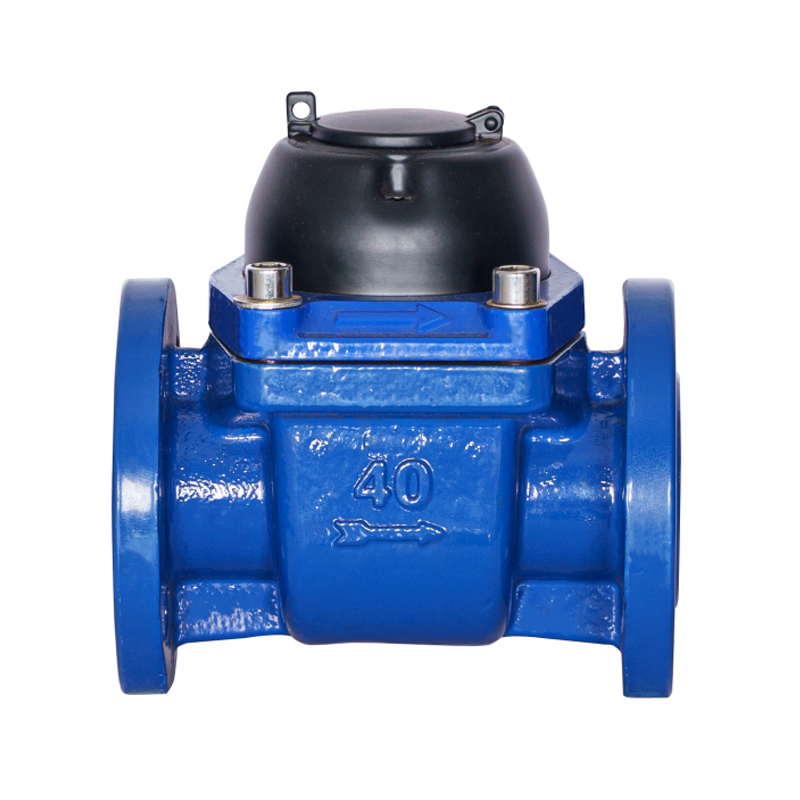
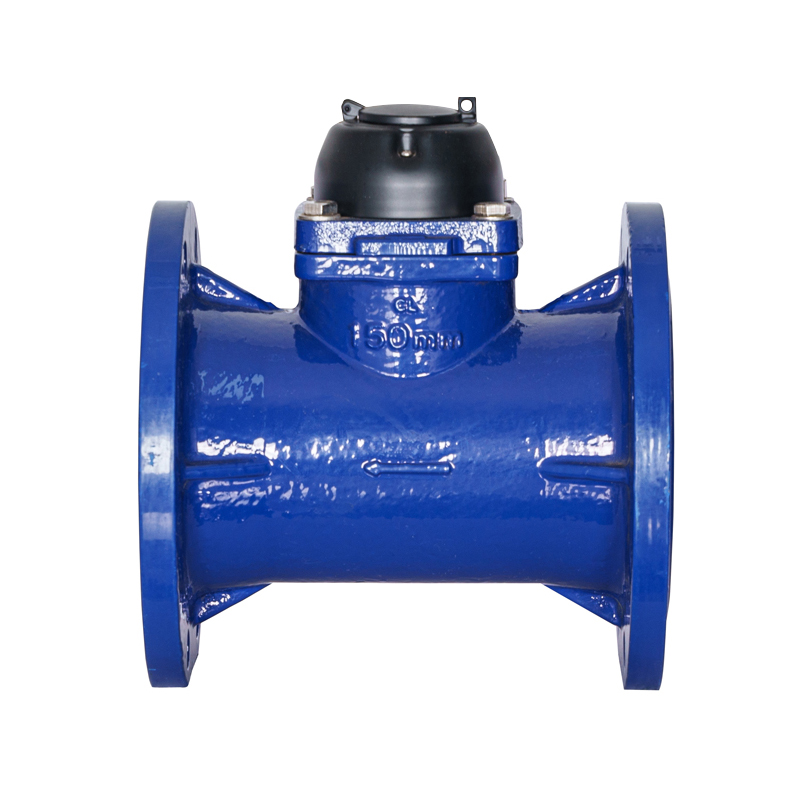
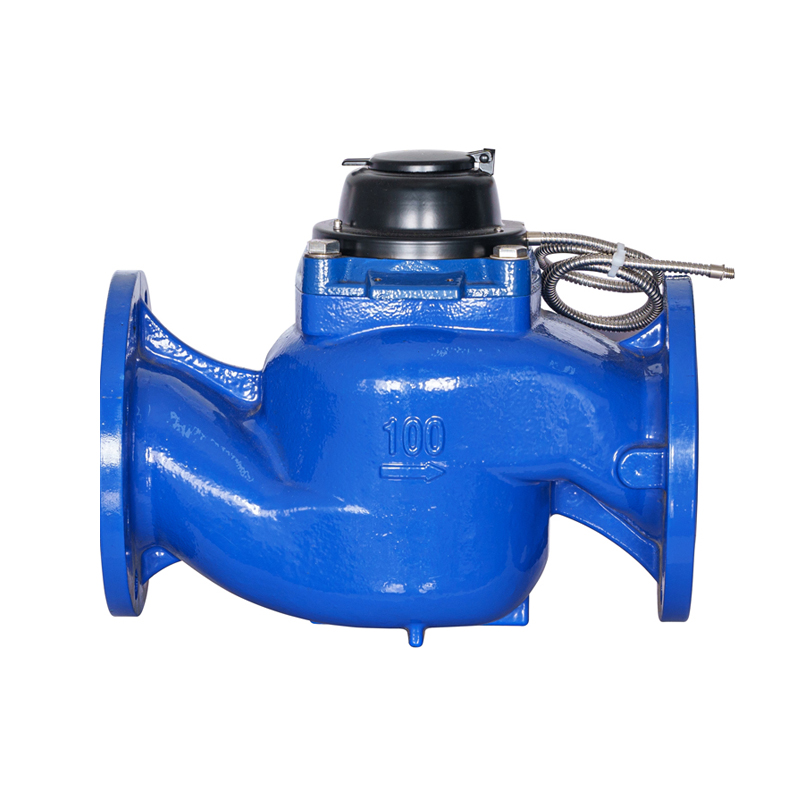
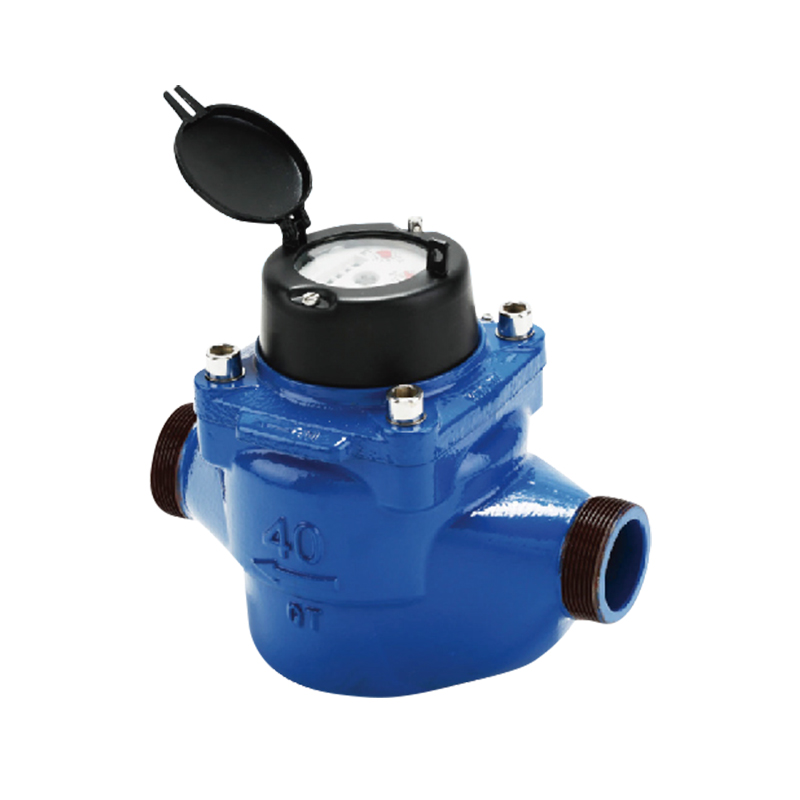
The WI irrigation water meter is a crucial tool in modern irrigation systems, enabling accurate monitoring of water usage in agricultural and landscaping applications. This device is specifically designed to measure the flow of water, providing valuable data to optimize irrigation efficiency. Water meters like the WI model play a significant role in improving resource management by allowing farmers and property managers to monitor water consumption, adjust irrigation schedules, and reduce waste.
Understanding the WI Irrigation Water Meter’s Design
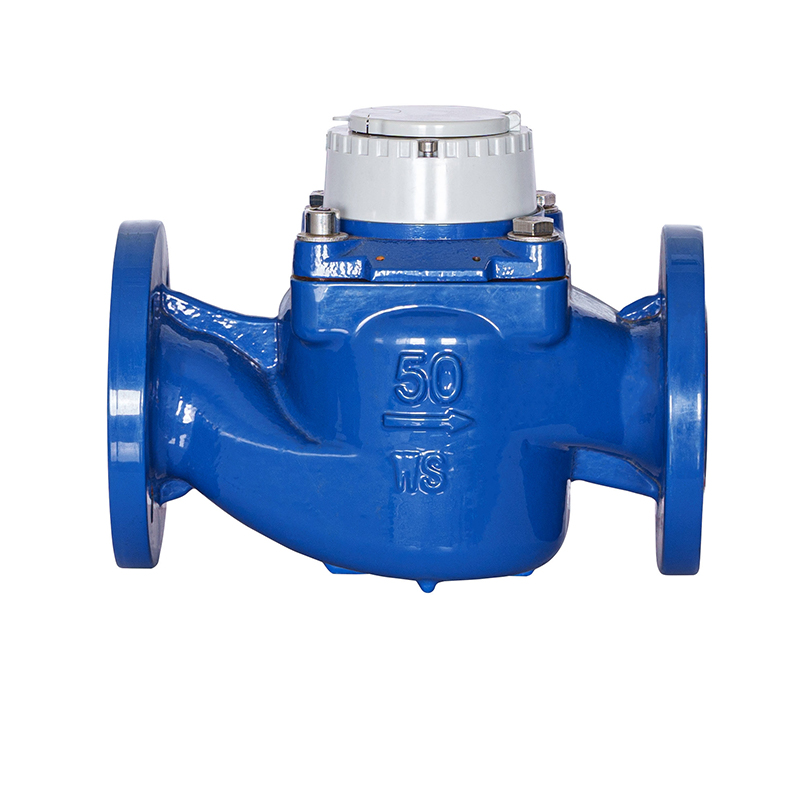
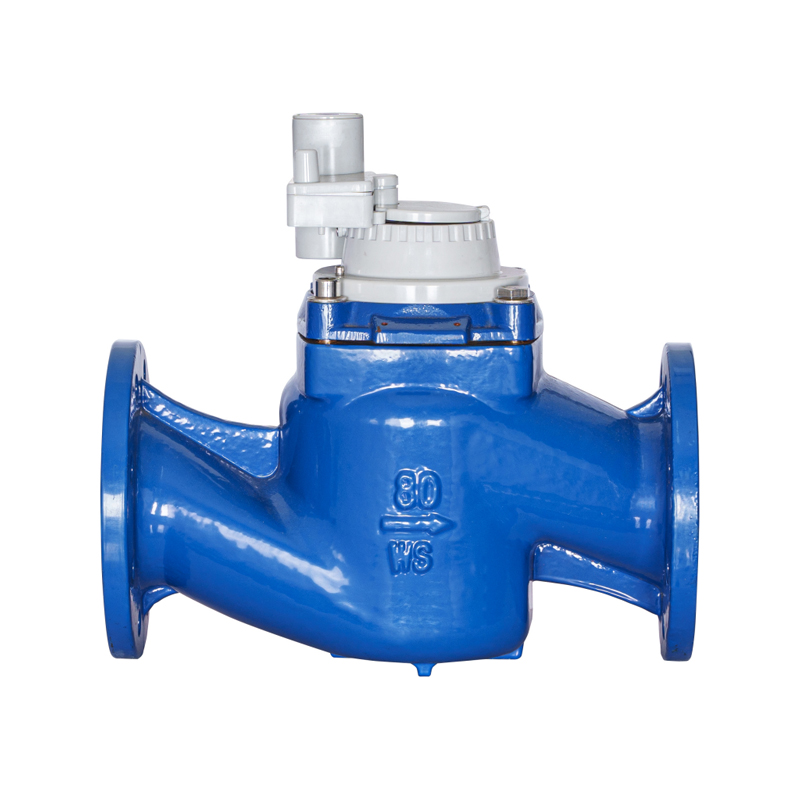
The WI irrigation water meter is built to handle a wide range of operational conditions. It is designed to measure the flow of water in irrigation systems, which can vary greatly depending on the pressure, flow rate, and type of system being used. The key features of the meter include a flow measurement mechanism, typically a turbine or a positive displacement design, a pressure sensor, and a digital or mechanical readout to display water usage data.
The flow measurement mechanism is responsible for calculating the amount of water passing through the system. Depending on the design, this may be done using a turbine that spins as water flows through it, or by a positive displacement method that counts the volume of water in discrete portions. The pressure sensor plays a vital role in adjusting the meter’s readings and maintaining accuracy under different pressure conditions.
Adaptation to Different Water Pressures
Water pressure within irrigation systems can vary widely due to several factors, including the design of the system, the source of the water, and external conditions like topography or seasonal fluctuations. The WI irrigation water meter is designed to adapt to these fluctuations in pressure to ensure that it delivers accurate readings regardless of whether the system is operating at high or low pressure.
At high pressures, the meter must be able to handle the increased force without causing damage to its components. High-pressure environments require the meter to be constructed with durable materials that can withstand stress and prevent leaks. Additionally, the pressure sensor within the meter helps to adjust the readings according to changes in water pressure. This ensures that the flow rate is calculated correctly even when the pressure is higher than usual, which is common in large irrigation systems or systems designed for high-efficiency water delivery.
Conversely, in low-pressure conditions, the meter must still provide reliable readings. Low pressure can occur in systems that rely on gravity flow or in cases where pumps are not running at full capacity. In such scenarios, the WI irrigation water meter compensates for reduced flow by measuring even small changes in water movement, ensuring that it can still track water usage accurately. The device adjusts its response to accommodate the lack of pressure without compromising the integrity of the flow measurement.
Handling Varying Water Flow Rates
Water flow rates in irrigation systems can fluctuate depending on factors such as system design, the type of crops being irrigated, and the method of irrigation used. In some cases, the flow rate may be steady, while in others, it could change dramatically depending on the watering schedule, season, or system components. The WI irrigation water meter is designed to adapt to these changes by accurately measuring varying flow rates across a wide range of conditions.
At high flow rates, the meter’s turbine or displacement mechanism needs to be able to handle rapid water movement without losing accuracy. High flow rates are common in large-scale irrigation systems or in areas with a high water demand, such as agricultural fields. To accommodate this, the WI irrigation water meter is often equipped with a robust flow measurement mechanism that can handle larger volumes of water, ensuring that the readings remain consistent even during peak water usage times.
In systems with lower flow rates, such as those used in smaller-scale irrigation or in low-demand settings like landscape irrigation, the meter is designed to measure even the smallest changes in water flow. The ability to accurately measure low flow rates is crucial for ensuring that water usage is being monitored effectively, as small but significant variations can occur even in low-demand systems. By adapting to these conditions, the WI irrigation water meter ensures that water usage is accurately tracked regardless of how much water is being used at a given time.
Accuracy and Calibration in Diverse Conditions
Accuracy is one of the key attributes of the WI irrigation water meter, and it is critical that the device maintains reliable measurements under a variety of conditions. To achieve this, the meter must be calibrated to adjust for changes in pressure, flow rate, and other factors that could affect its performance.
The calibration process involves adjusting the meter to account for specific system conditions, including the typical flow rates and pressures encountered in the irrigation system. This ensures that the meter provides the most accurate readings possible under real-world conditions. Some WI irrigation water meters are designed with built-in self-calibration features, which automatically adjust the meter’s readings in response to changes in pressure or flow. This allows for continuous, real-time accuracy without the need for manual recalibration, which can be time-consuming and prone to error.
In cases where the pressure or flow rate is consistently outside the expected range, the meter can be recalibrated manually. This process ensures that even under extreme conditions, the meter’s measurements remain precise. The ability to calibrate the device for specific conditions also allows it to function in a variety of water sources, from municipal systems with stable pressure to more unpredictable sources like wells or reservoirs.
Adaptation to Different Types of Irrigation Systems
Different irrigation systems have varying demands when it comes to water pressure and flow. For example, drip irrigation systems, which deliver water directly to the roots of plants, operate at lower pressures and flow rates compared to traditional sprinkler systems, which require higher pressures to distribute water evenly over a larger area. The WI irrigation water meter is designed to work effectively with a wide range of irrigation system types by adjusting to the specific requirements of each system.
In drip irrigation systems, the meter must be able to measure the slow, steady flow of water that is typical of this type of system. The low flow rates require the meter to be sensitive enough to detect even minor changes in water movement. The WI irrigation water meter is equipped with precise flow sensors that ensure accurate readings even under the slower, more controlled flow conditions of a drip system.
In contrast, for systems such as sprinklers or center pivot irrigation systems, the meter must handle higher pressures and flow rates. These systems distribute water over a larger area and often operate at higher pressure to ensure even coverage. The WI irrigation water meter adapts to these conditions by using durable materials and robust measurement mechanisms that can handle the higher water demands of these systems without sacrificing accuracy.
Impact of External Factors on Water Flow Measurements
External factors such as temperature, water quality, and system design can also impact how the WI irrigation water meter operates. For example, water temperature can affect the viscosity of the liquid, which in turn can influence the flow rate. The meter’s sensors are designed to compensate for changes in water temperature, ensuring that it provides accurate readings even in fluctuating environmental conditions.
Water quality is another factor that can affect the performance of the water meter. In irrigation systems that use untreated water from wells, rivers, or reservoirs, the presence of debris, minerals, or other particulates can affect the flow measurement mechanism. To mitigate this, many WI irrigation water meters come equipped with filtration systems or self-cleaning mechanisms that help maintain the meter’s accuracy over time, even when the water is not perfectly clean.
Maintenance and Longevity of the WI Irrigation Water Meter
Proper maintenance is essential for ensuring that the WI irrigation water meter continues to function accurately over time, especially in systems that are exposed to varying pressures, flow rates, and external factors. Regular cleaning, calibration, and inspection of the meter’s components are necessary to maintain its reliability and accuracy. For example, removing any debris that might accumulate in the meter’s sensors or flow measurement mechanism can help prevent malfunctions and ensure smooth operation.
The meter’s longevity is also influenced by the quality of the materials used in its construction. High-quality materials that resist corrosion and wear can extend the life of the meter, even when it is exposed to challenging conditions. For systems that experience frequent fluctuations in pressure or flow, it is especially important to ensure that the meter is designed to handle such stress over extended periods of use without deteriorating prematurely.
Flexibility and Efficiency of the WI Irrigation Water Meter
The WI irrigation water meter offers a flexible and efficient solution for measuring water usage across a range of irrigation systems and environmental conditions. Its ability to adapt to varying pressures and flow rates ensures that it can be used effectively in both low-pressure and high-pressure systems, as well as in systems that require precise measurement of small flow rates. By incorporating features such as calibration, pressure compensation, and durable construction, the WI irrigation water meter provides accurate, reliable data that helps optimize water use, reduce waste, and promote sustainable irrigation practices. Proper maintenance and regular calibration ensure that the meter continues to function accurately over time, making it a valuable tool for managing water resources in agriculture and landscaping applications.