
 عربى
عربى

Introduction to WS Vertical Spiral Wing Water Meters
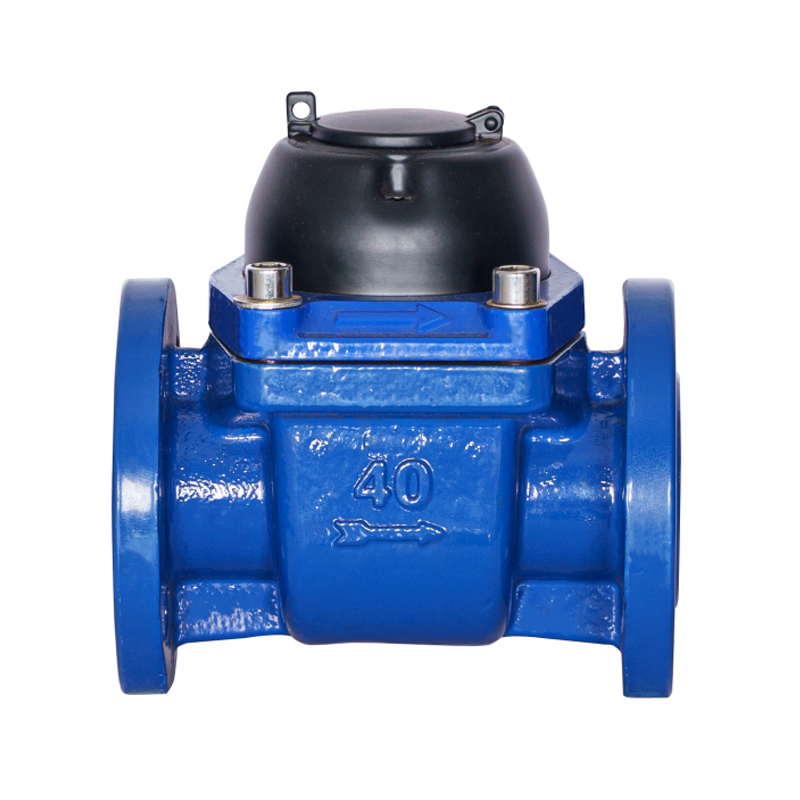
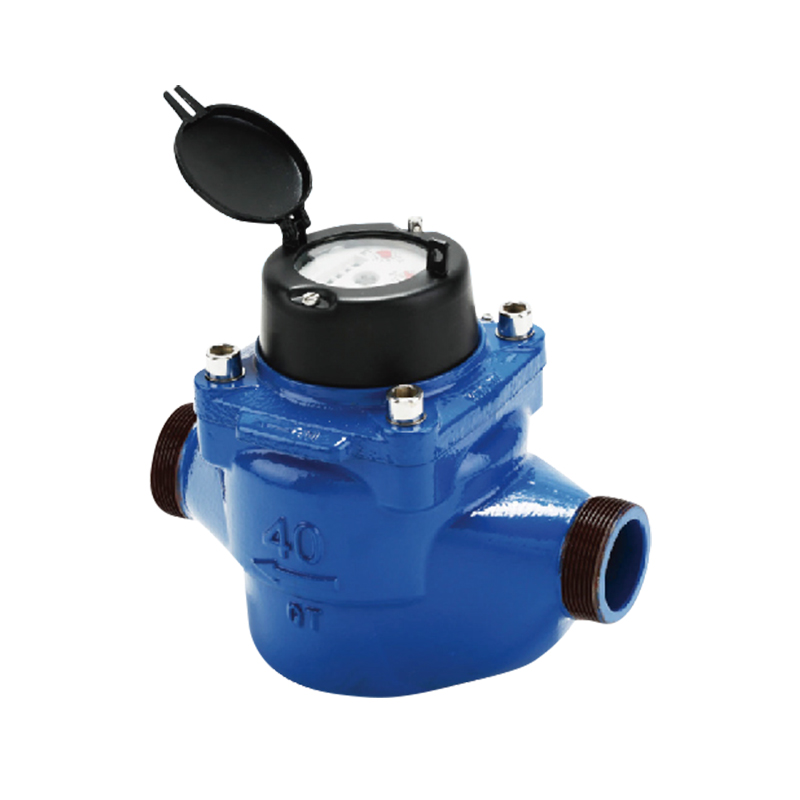
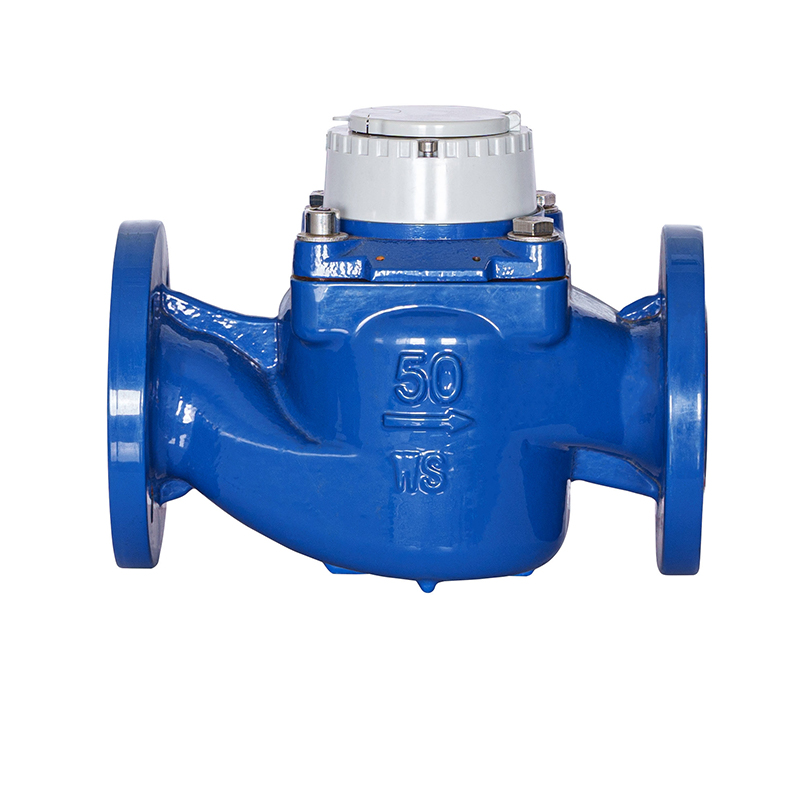
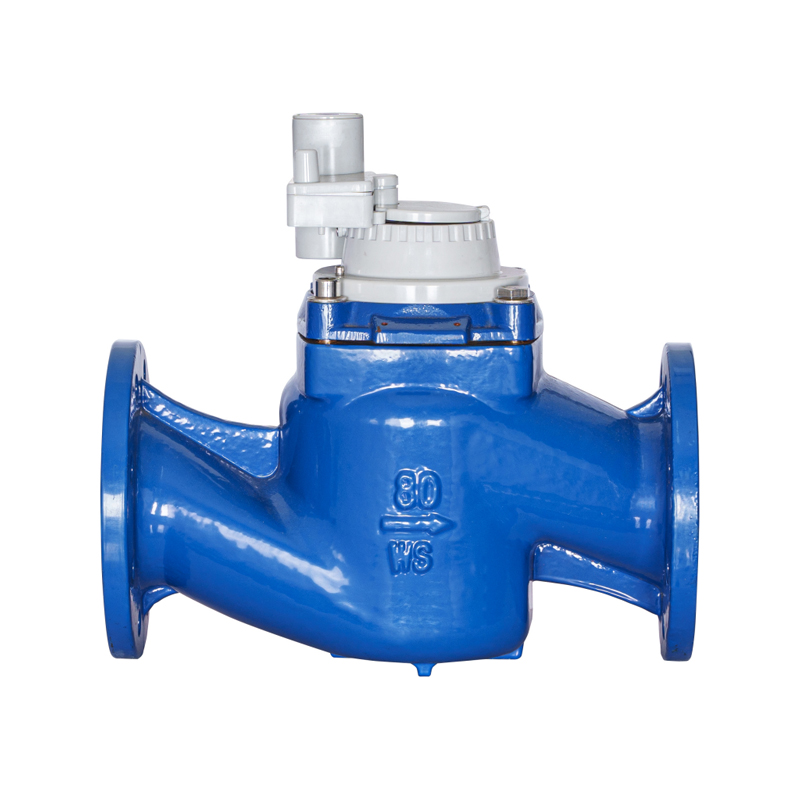
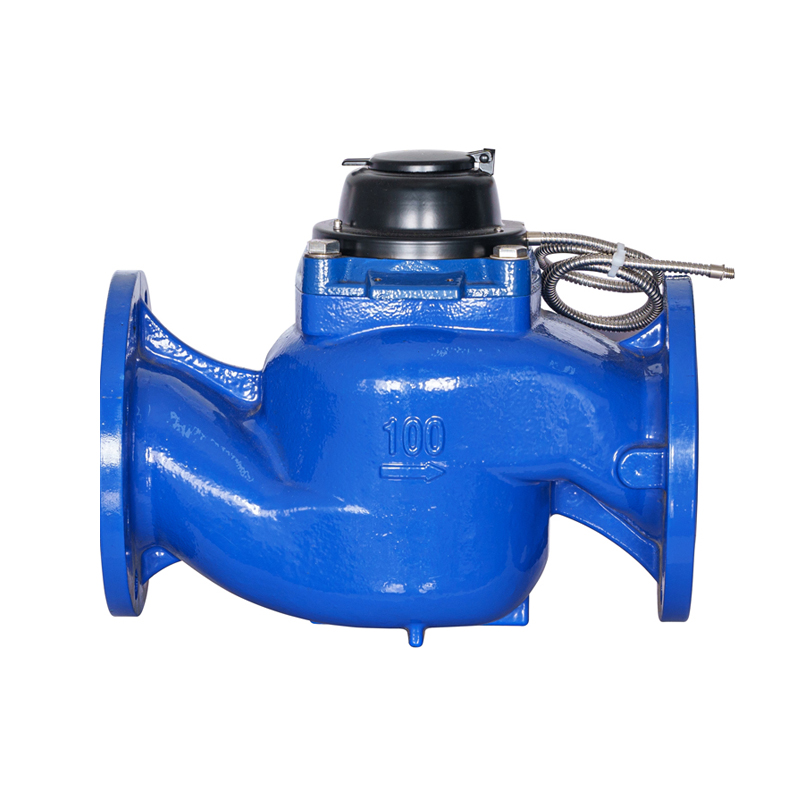
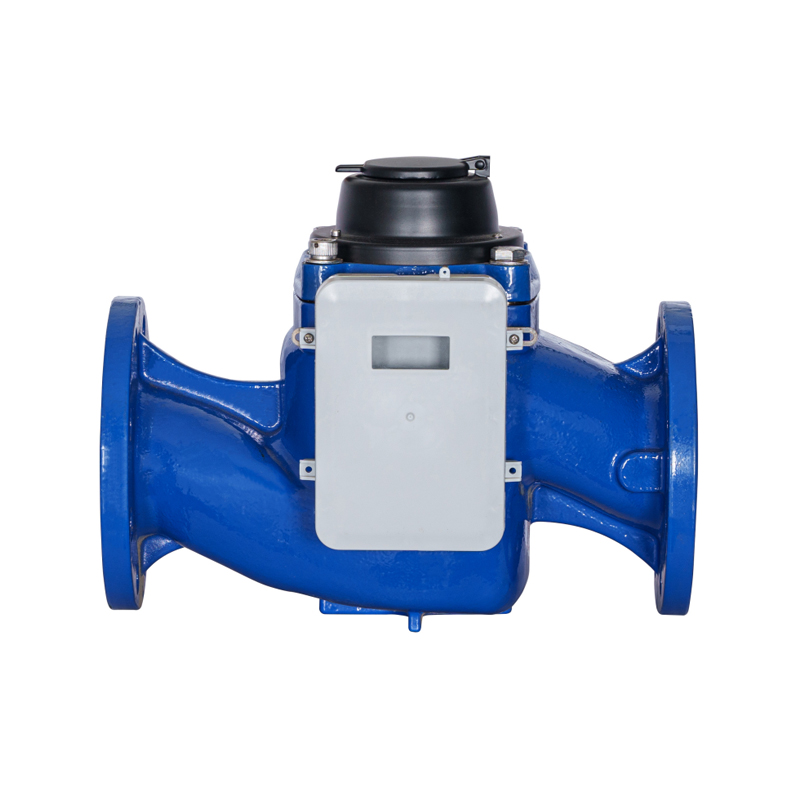
The WS vertical spiral wing water meter is a type of mechanical water meter designed to measure water consumption in residential, commercial, and industrial systems. Its distinctive spiral wing impeller allows precise measurement of flow rates in a vertical configuration. In addition to accurate metering, these meters often incorporate design features aimed at enhancing durability and operational reliability, including mechanisms to prevent backflow, impact damage, and leakage.
Anti-Backflow Mechanisms
Backflow in water systems occurs when water flows in the reverse direction, which can compromise measurement accuracy and potentially contaminate the water supply. WS vertical spiral wing water meters typically include anti-backflow mechanisms, often in the form of check valves integrated with the meter body or within the inlet section. These valves allow water to flow only in the intended direction, automatically closing when reverse flow is detected. This ensures that readings remain accurate and the meter is protected from flow reversal.
Design Features for Impact Resistance
Impact damage can occur when meters are exposed to sudden pressure surges, water hammer effects, or physical shocks. WS vertical spiral wing meters incorporate impact-resistant designs by using robust meter bodies and reinforced impeller structures. The spiral wing impeller is engineered to absorb stress from transient pressure fluctuations, preventing damage to internal moving parts. Additionally, meters are often mounted securely with vibration-damping supports to minimize the effect of external mechanical impacts.
Leakage Prevention Mechanisms
Leakage can compromise the efficiency of water metering and lead to water loss. WS vertical spiral wing water meters are designed with precision seals, O-rings, and gasket systems that prevent water from escaping the meter housing. The meter body is usually constructed from corrosion-resistant materials such as brass, stainless steel, or high-strength polymers. These materials resist wear and chemical degradation, helping maintain a tight seal over the lifetime of the meter. Proper installation and regular inspection further reduce leakage risks.
Material Selection and Durability
The anti-backflow, anti-impact, and leakage prevention capabilities of WS vertical spiral wing meters are closely tied to material selection. Meter bodies are made from durable metals or reinforced plastics, while impellers and internal moving parts are often treated or coated to reduce friction and wear. Corrosion-resistant components ensure that prolonged exposure to water, including chemically treated water, does not compromise the meter’s protective mechanisms. Longevity is enhanced when high-quality materials are paired with careful design engineering.
Hydraulic Design Considerations
The hydraulic characteristics of WS vertical spiral wing meters contribute to both measurement accuracy and protective functionality. The spiral wing design reduces turbulence and ensures smooth flow through the meter, which minimizes mechanical stress and impact on internal components. Flow channels are optimized to reduce the likelihood of pressure spikes or sudden flow changes that could damage the impeller or seals. These hydraulic design elements complement anti-backflow and leakage prevention features to enhance overall reliability.
Maintenance and Inspection Practices
Even with built-in protective mechanisms, WS vertical spiral wing meters require routine inspection and maintenance to maintain anti-backflow, impact resistance, and leak prevention performance. Inspecting seals, gaskets, and impellers for wear or damage ensures continued protection. Cleaning debris from the inlet or impeller prevents blockage and reduces stress on internal components. Regular calibration checks verify that anti-backflow mechanisms function correctly and that readings remain accurate despite environmental or operational changes.
Comparison of Protective Features
| Feature | Design Implementation | Purpose | Effectiveness |
| Anti-Backflow | Integrated check valve or directional inlet design | Prevents reverse flow affecting readings | High under standard operating conditions |
| Anti-Impact | Reinforced spiral impeller, robust meter body, vibration damping | Absorbs pressure surges and physical shocks | Moderate to high depending on water system conditions |
| Leakage Protection | Precision gaskets, O-rings, corrosion-resistant housing | Prevents water loss and maintains measurement integrity | High with proper installation and maintenance |
Installation Best Practices
Correct installation of WS vertical spiral wing meters enhances their protective functions. The meter should be mounted vertically with proper alignment to prevent stress on the impeller. Inlet and outlet fittings must be securely connected with appropriate seals to prevent leaks. Pre-installation flushing of the pipeline ensures that debris does not interfere with the impeller or check valve. Additionally, the use of support brackets and vibration isolation reduces the risk of impact-related damage.
Environmental Factors Affecting Performance
Environmental factors such as temperature fluctuations, water pressure variations, and chemical composition influence the effectiveness of anti-backflow, anti-impact, and leakage protection mechanisms. Sudden temperature changes can affect gasket flexibility, while high water pressure may test impeller strength and seal integrity. Chemical additives in water can interact with metal or polymer components, potentially accelerating wear. Choosing materials compatible with the operating environment mitigates these risks.
Common Problems and Mitigation Strategies
Despite protective design features, WS vertical spiral wing meters may experience issues if operating conditions exceed specifications. Backflow may occur in cases of extreme pressure reversal, seals may degrade over time leading to minor leakage, and mechanical impact from sudden water hammer can stress the impeller. Routine inspection, timely replacement of worn components, proper pressure management, and adherence to recommended installation practices reduce the likelihood of these problems.
Monitoring and Testing
Monitoring the performance of WS vertical spiral wing meters involves regular testing for accuracy, inspection of seals, and verification of anti-backflow function. Flow tests under controlled conditions can identify issues before they affect billing or water management. Testing also ensures that the meter maintains its structural integrity, impeller responsiveness, and leakage prevention capabilities. Establishing a maintenance schedule enhances long-term performance and reliability.
Operational Advantages of Protective Mechanisms
The inclusion of anti-backflow, anti-impact, and leakage protection mechanisms in WS vertical spiral wing water meters improves their reliability and operational efficiency. Anti-backflow ensures consistent measurement despite pressure reversals, impact-resistant designs reduce downtime from mechanical damage, and leak-proof seals prevent water loss and potential system contamination. Together, these features make WS meters suitable for demanding water systems and long-term deployment.
WS Vertical Spiral Wing Meter Protection
WS vertical spiral wing water meters incorporate multiple design elements to prevent backflow, resist mechanical impact, and avoid leakage. Material selection, hydraulic optimization, proper installation, and routine maintenance are essential to maintaining these protective functions. Understanding the interaction of these mechanisms with environmental and operational factors ensures reliable performance, accurate measurement, and extended service life in water distribution systems.