

 عربى
عربى

Provide Customers With High-Quality Water Meter Products
Custom Water Meter Sensor Assembly Manufacturers
-
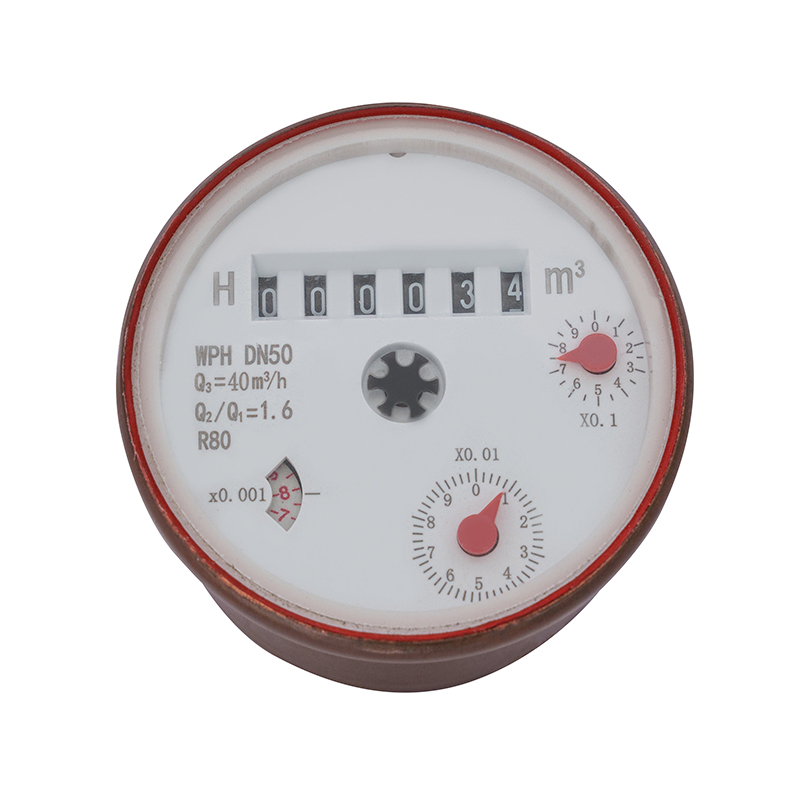
Large Caliber Water Meter Pulse Remote Transmission Sensor Assembly
Stable and reliable long-distance transmission of meter data to AMR/AMI system All types of large-diameter water meters ... -
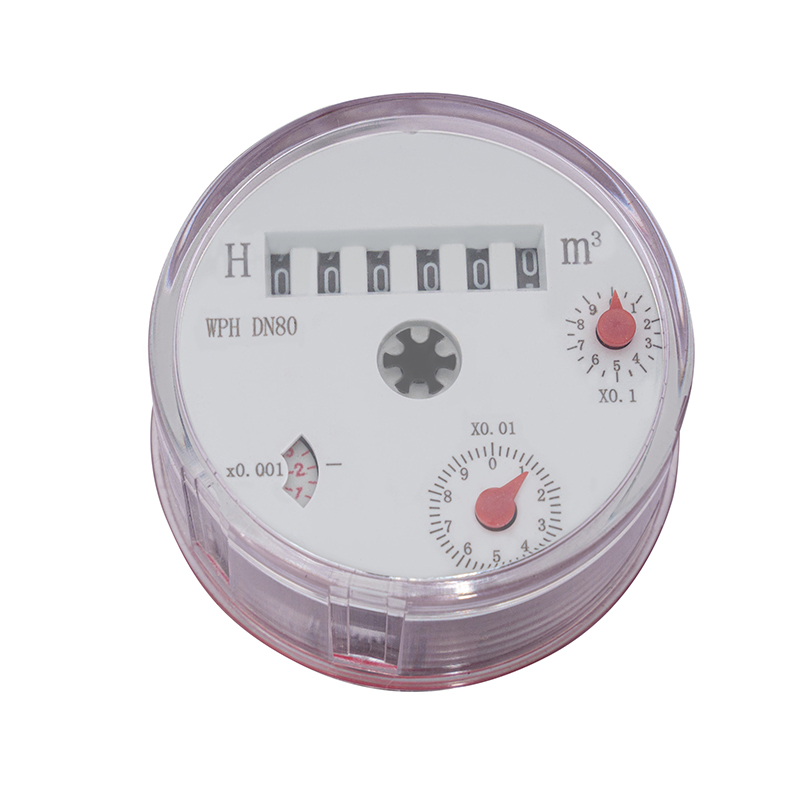
Hall Element Pulse Remote Transmission Sensor Assembly
As an active pulse sensor, the Hall element requires external power supply during operation. When the magnetic steel on ...
Start Our Cooperation!

Ningbo Water Cube Instrument Technology Co., Ltd. is China Water Meter Sensor Assembly Manufacturers and Custom Water Meter Sensor Assembly Factory specializing in producing large-diameter water meters and water meter movements, including product design and development, mold manufacturing, injection molding processing, and assembly and verification. The industrial chain is complete and we have long-term cooperation with many domestic enterprises. Enterprise purpose: quality first, reputation first. Warmly welcome industry colleagues to visit and provide guidance.
-

Industry Standard
-

9+ Industrial Experience
-

Exported To Many Countries
-

7*24 Hours Customer Service
Recent News
Commercial Water Meter Manufacturers & Water Flow Meter Factory Guide for Accurate Metering
12-Mar-2026
How does the WI irrigation water meter adapt to different pressures and water flow rates?
05-Mar-2026Does the WPH horizontal spiral wing water meter offer convenient connection interfaces?
26-Feb-2026Does the WS vertical spiral wing water meter have anti-backflow, anti-impact design, or leakage protection mechanisms?
19-Feb-2026Industry Knowledge
What Are the Fundamental Engineering Processes and Material Requirements for Achieving Reliable Water Meter Sensor Assembly in High Precision Metrology?
The integrity of any modern measuring instrument, particularly those used for critical flow measurement like water meters and industrial monitors, relies fundamentally on the accuracy and durability of its internal Water Meter Sensor Assembly. This assembly is not simply a component but a meticulously engineered system where electronic elements must be integrated into a housing designed to withstand harsh, continuous operating environments. The challenge lies in transitioning a sensitive electronic component into a robust, certifiable part of a larger mechanical system.
The engineering processes involved in this transformation are complex, spanning material science, microfabrication, and precision mechanical assembly. The end goal is to ensure that the sensor maintains its calibration and functional longevity over many years, regardless of fluid dynamics, temperature fluctuations, or external mechanical stress.
Section One: The Role of Precision in Water Meter Sensor Assembly for Flow Instruments
In flow measurement applications, the Water Meter Sensor Assembly is the interface between the fluid being measured and the electronic signal processing unit. This assembly must perform its function without disrupting the flow profile, introducing contamination, or suffering degradation over time. Two primary types of sensors illustrate the critical nature of their assembly.
Assembly of Ultrasonic Transducers:
Ultrasonic flow meters rely on the precise timing of sound waves transmitted through the fluid. The assembly of the ultrasonic transducer is paramount to its performance.
Piezoelectric Element Integration: The core of the transducer is the piezoelectric crystal. The crystal must be bonded to its backing and front face using specialized conductive epoxy resin. The thickness and uniformity of this bonding layer directly affect the transmission and reception efficiency of the sound waves. An inconsistent bond introduces signal loss and scattering, leading to measurement error.
Sealing and Encapsulation: Since the transducer is typically in direct contact with water or other fluids, robust encapsulation is mandatory. This involves pressure molding the entire assembly within a chemically resistant polymer or ceramic compound. The sealing process must ensure zero ingress of moisture, which is the primary cause of long term electronic failure in wet environments. Vacuum encapsulation techniques are often employed to eliminate air pockets that could compromise structural integrity under pressure.
Acoustic Matching Layer: A critical step in assembly involves applying an acoustic matching layer between the transducer face and the fluid. This layer optimizes the transfer of sound energy into the liquid. The thickness of this layer must be controlled to within micrometers, necessitating automated, clean room assembly conditions to prevent particulate contamination that could alter the acoustic properties.
Assembly of Electromagnetic Sensor Coils:
Electromagnetic flow measurement devices use sensors to detect the voltage induced when a conductive fluid passes through a magnetic field. This requires the assembly of highly accurate magnetic coils and electrodes.
Coil Winding and Placement: The magnetic field is generated by precisely wound coils. The wire gauge and number of turns must be uniform, and the coils must be placed symmetrically within the meter body. Any asymmetry in coil placement or winding creates a non uniform magnetic field, resulting in inaccurate flow readings. Automated winding machines and non contact verification systems are used to confirm coil geometry before final assembly.
Electrode Mounting and Surface Finish: The measuring electrodes must be flush with the interior surface of the flow tube to prevent turbulence or accumulation of debris. The mounting process typically involves high strength, corrosion resistant seals and precision machining of the electrode housing. The surface finish of the electrodes themselves must be extremely smooth to prevent electrochemical reactions that could cause signal noise or drift.
Grounding and Shielding: The assembly must incorporate robust electromagnetic shielding to protect the sensitive measurement electrodes from external electrical noise and interference. Proper grounding within the assembly is crucial for rejecting common mode noise that can corrupt the low level voltage signals generated by the flowing fluid.
The successful execution of these demanding assembly steps is underpinned by a complete industrial chain, from the initial design and mold manufacturing through to final assembly and verification. This rigorous approach to precision component integration is what enables specialized instrument technology manufacturers, such as Ningbo Water Cube Instrument Technology Company Limited, to deliver accurate and reliable water meters to market.
What Are the Key Engineering and Material Science Challenges Inherent in the High Volume Production and Complex Verification of Instrument Grade Sensor Assemblies?
Scaling the production of high precision sensor assemblies from laboratory prototypes to millions of units in a manufacturing setting presents significant engineering and material science hurdles. The challenge is maintaining nanometer level precision and long term stability while optimizing for cost and throughput. The process demands meticulous control over every variable, from the purity of raw materials to the exact curing time of adhesive compounds.
Section Two: Challenges, Verification, and Future Directions
The inherent difficulties of combining flexible electronics, rigid components, and fluid dynamics into a single, durable product drive continuous innovation in manufacturing and quality control.
Material Science Challenges in Assembly:
Corrosion and Chemical Resistance: Sensor assemblies are constantly exposed to water, which often contains dissolved salts, chlorine, and other chemicals. All contact materials including the sensor housing, electrodes, and encapsulation agents must exhibit exceptional resistance to chemical degradation and galvanic corrosion. Using materials that are chemically stable, such as specialized grades of stainless steel, PEEK polymer, or epoxy compounds, is essential for ensuring a decades long operational life.
Thermal and Mechanical Stress Matching: Different materials within the assembly expand and contract at different rates when subjected to temperature changes. This difference in thermal expansion coefficients can induce stress on the sensor components, leading to joint failure, cracked seals, or signal drift. Precision assembly must utilize stress absorbing interface layers or materials with closely matched thermal properties to mitigate these effects. The bonding agents themselves must remain stable and elastic across a wide operating temperature range.
Purity and Contamination Control: The presence of micro dust particles or organic residues during bonding can compromise the long term adhesion and sealing of the assembly. High volume production requires stringent clean room protocols and automated cleaning stages, such as plasma etching, before critical bonding operations. Contamination on the face of an ultrasonic sensor, for example, can dramatically change its acoustic impedance and permanently impair its accuracy.
Complex Verification and Quality Control:
Verification is not just a final check; it is an intrinsic part of the assembly process, ensuring that the sensor meets stringent international metrological standards before integration into the final instrument.
Flow Calibration and Testing: Every assembled sensor or meter movement must be calibrated using traceable primary standards on accredited flow test benches. This involves running the assembly through a defined range of flow rates and comparing its output signal against a known volume or mass measurement. The calibration curve generated during this process is permanently stored and used by the meter’s firmware to correct raw sensor data.
Pressure and Leak Testing: The structural integrity of the sealed Water Meter Sensor Assembly is verified using hydraulic pressure tests that exceed the maximum specified operating pressure. Any leakage, even at the microscopic level, indicates a failure in the sealing or bonding steps of the assembly. These tests must be conducted under controlled temperature conditions to account for material expansion effects.
Long Term Stability and Aging Tests: To predict the sensor’s long term reliability, accelerated aging tests are performed. This involves subjecting the assembled sensor to cyclical variations in temperature, humidity, and pressure over a short period to simulate years of operation. Data logging during these stress tests verifies that the sensor’s zero point and sensitivity remain within acceptable limits, providing crucial data on the durability of the assembly's materials and bonding agents.
Optimized Water Meter Sensor Assembly for Flow Metrology: The Engineering Core of Precision and Durability
The reliable application of high-performance fluid metering, especially in large-diameter water meters, is entirely contingent upon the successful construction of the internal Water Meter Sensor Assembly. This component acts as the instrument's technical core, responsible for converting fluid physical dynamics into precise electronic signals. Therefore, the manufacturing process for the Water Meter Sensor Assembly must ensure its sensitive electronic elements are integrated within a mechanically and chemically robust structure, guaranteeing years of trouble-free operation. A zero-tolerance policy is adopted for any deviation in the Water Meter Sensor Assembly manufacturing process, as even minor defects will directly lead to measurement inaccuracies or premature system failure.
Manufacturing Core—High-Precision Fabrication and Integration of the Water Meter Sensor Assembly
The design and manufacturing of the Water Meter Sensor Assembly combine materials science with high-precision fabrication techniques to ensure the final measuring device's performance meets stringent specifications. This process covers critical integration requirements for both major types of Water Meter Sensor Assembly: electromagnetic and ultrasonic.
Precision Bonding and Encapsulation of the Ultrasonic Water Meter Sensor Assembly: The core of ultrasonic measurement lies in the perfect transmission and reception of acoustic signals. This necessitates the use of high-precision conductive epoxy resin to bond the piezoelectric crystals (the energy source for acoustic pulses) to the matching layer. The application of this adhesive must be uniform and extremely thin, typically controlled by automated systems under vacuum conditions to prevent the introduction of acoustic impedance mismatch, eliminate signal scattering, and ensure the sensitivity of the Water Meter Sensor Assembly. Furthermore, the fine wires connecting the crystals to the main signal circuit must be secured using micro-welding or specialized soldering techniques to withstand continuous vibration and thermal cycling without resistance drift. Finally, the electronic components of the entire Water Meter Sensor Assembly are encapsulated in a high-density, chemically inert polymer to ensure sealing and eliminate microscopic voids, thereby guaranteeing the long-term electrical and mechanical stability of the Water Meter Sensor Assembly in humid environments.
Coil Winding and Electrode Sealing for the Electromagnetic Water Meter Sensor Assembly: For the electromagnetic Water Meter Sensor Assembly, precision is embodied in the integration of the magnetic field generation system and the measurement electrodes. The magnetic coils must be wound with extremely high geometric accuracy, with wire gauge consistency and precise turn counts monitored by automated equipment under continuous tension. Any deviation in the magnetic field directly affects the accuracy of the Water Meter Sensor Assembly. The electrodes, which detect voltage, must be installed flush with the interior wall of the flow tube to prevent turbulence and debris accumulation. The sealing of the electrode penetration points employs high-strength, chemically resistant ceramic or glass seals, which are critical for ensuring the leak-proof nature of the Water Meter Sensor Assembly. Concurrently, a conductive shield and proper grounding path must be integrated, treating the sensitive measurement electronics and the Water Meter Sensor Assembly casing as a Faraday cage to effectively isolate external electromagnetic interference and protect the weak measurement signal.
-

Call us
+86-18968227783 -

Write to us
[email protected] -

Address
No. 236-7, Luoming South Road, Guanhaiwei Town, Cixi City, China.
Product Diversity
We will respond to your inquiry within 12 hours after receiving it on a working day. Alternatively, you can give us a call.
Products
Mobile Terminal
Copyright © Ningbo Water Cube Instrument Technology Co., Ltd.  Custom Water Meter Sensor Assembly Manufacturers
