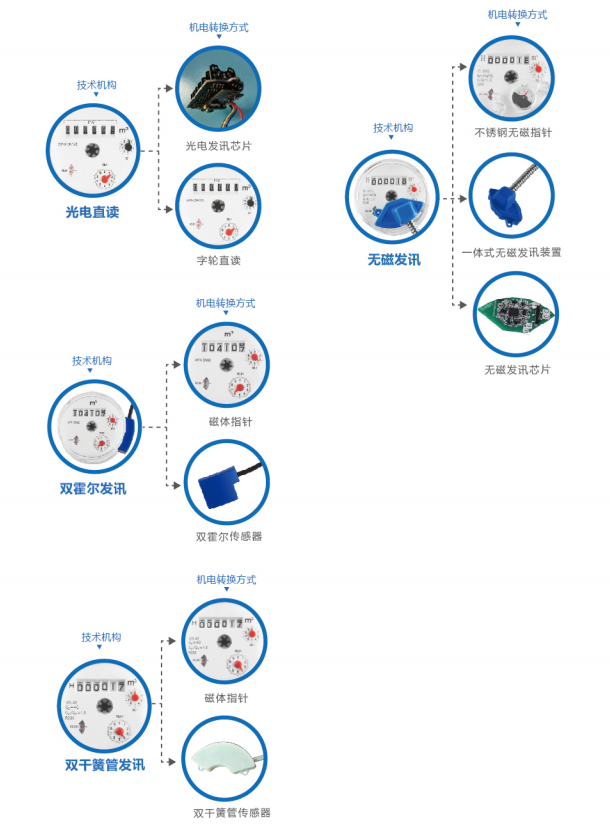
1.Working Principle of Hall Element Pulse Remote Transmission Sensors
Hall element pulse remote transmission sensors operate based on the Hall Effect principle, which was first discovered by American physicist Edwin Hall in the late 19th century. The Hall Effect describes how, when an electric current flows through a conductor in the presence of an external magnetic field, a voltage difference perpendicular to both the current and magnetic field is created within the conductor. This voltage difference is known as the Hall voltage, and it can be measured and used to detect changes in magnetic fields.
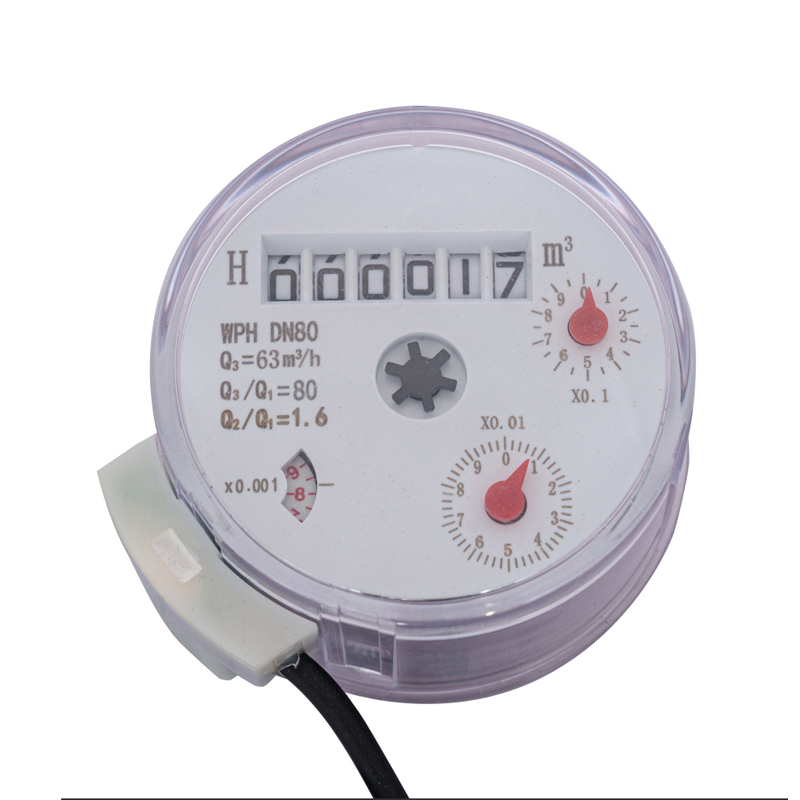
In the case of Hall Element Pulse Remote Transmission Sensor Assembly, a Hall element is used to detect nearby magnetic sources, such as a moving magnet. The movement of the magnet causes the Hall voltage to change, which is then converted into a pulse signal. These pulse signals can be used for precise measurement of various physical parameters such as position, speed, and direction. The sensor’s ability to transmit this information remotely allows for real-time monitoring and control in various applications.
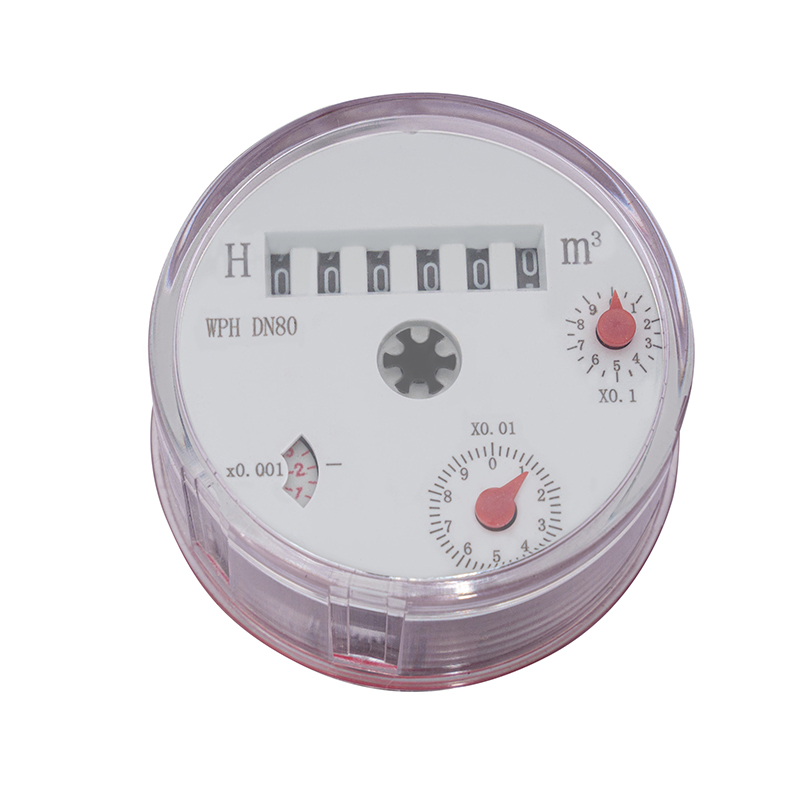
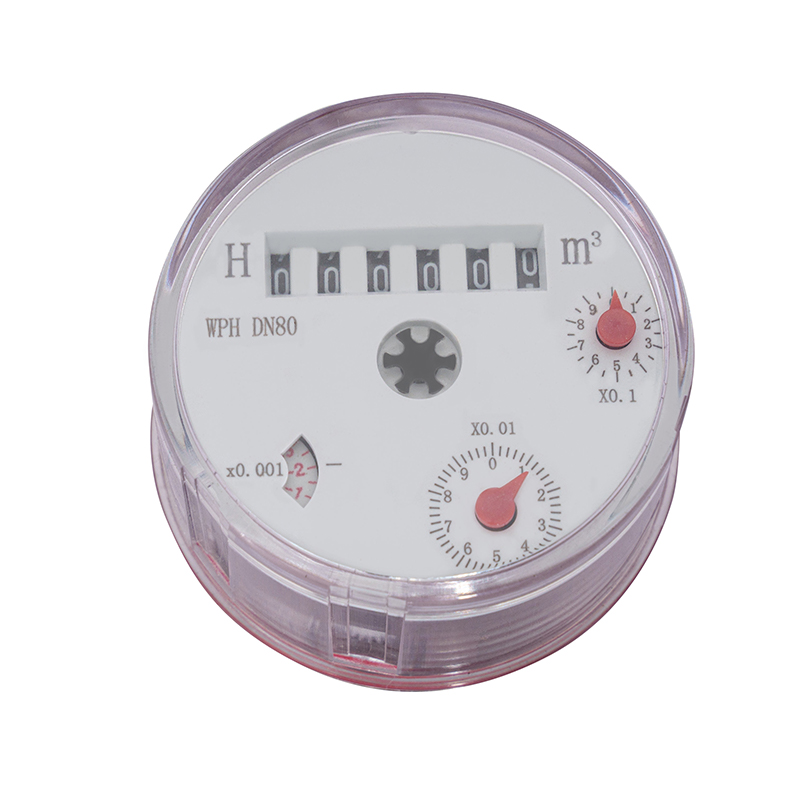
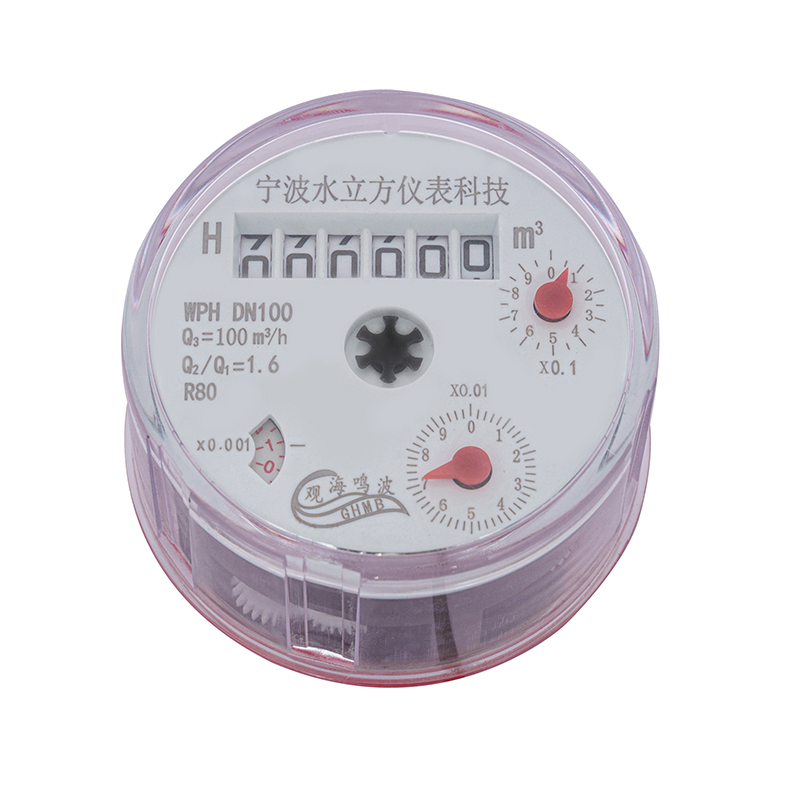
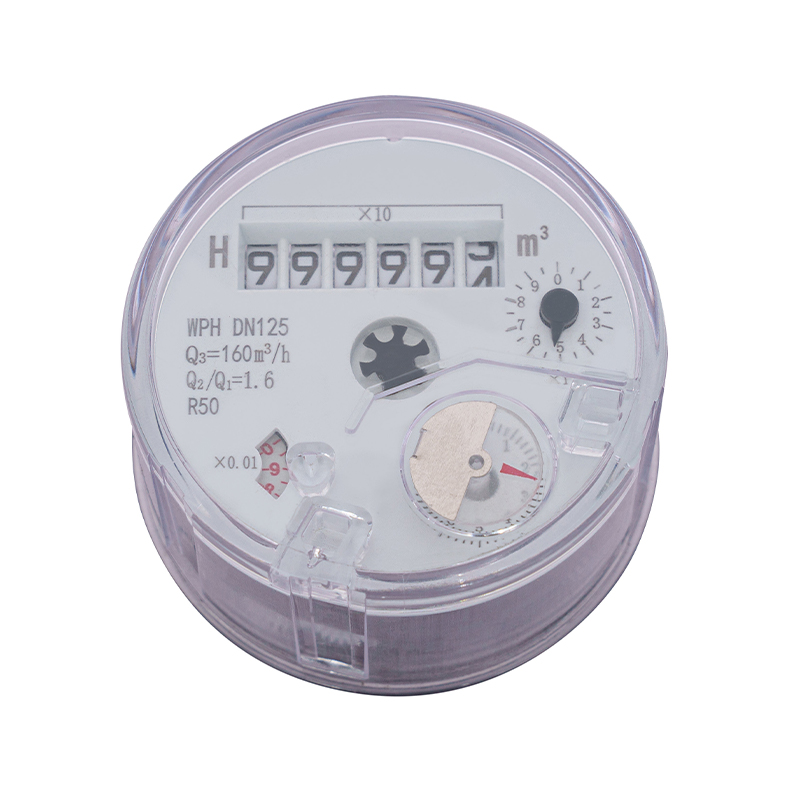
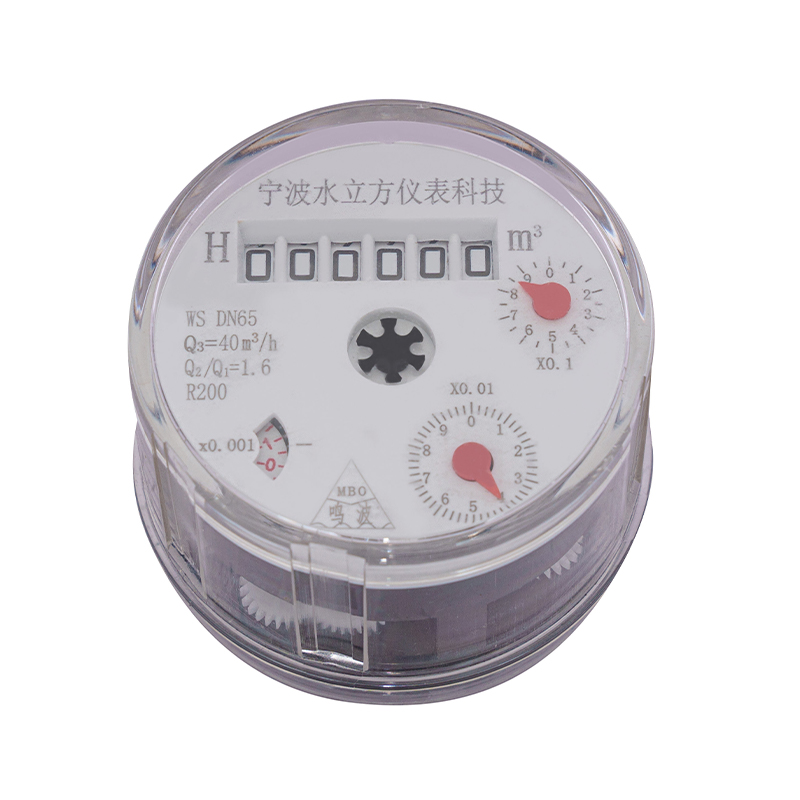
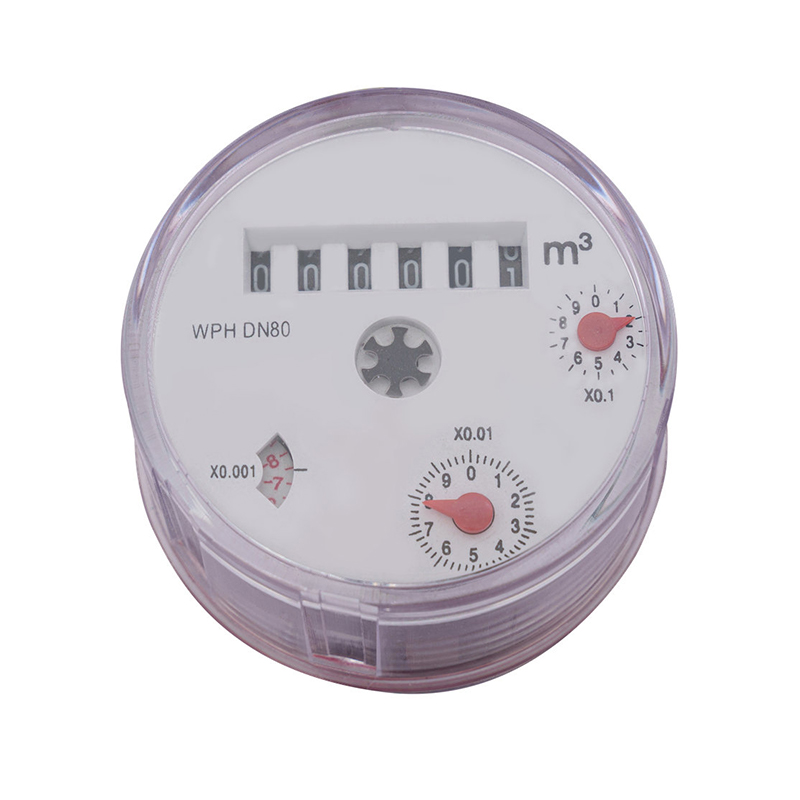
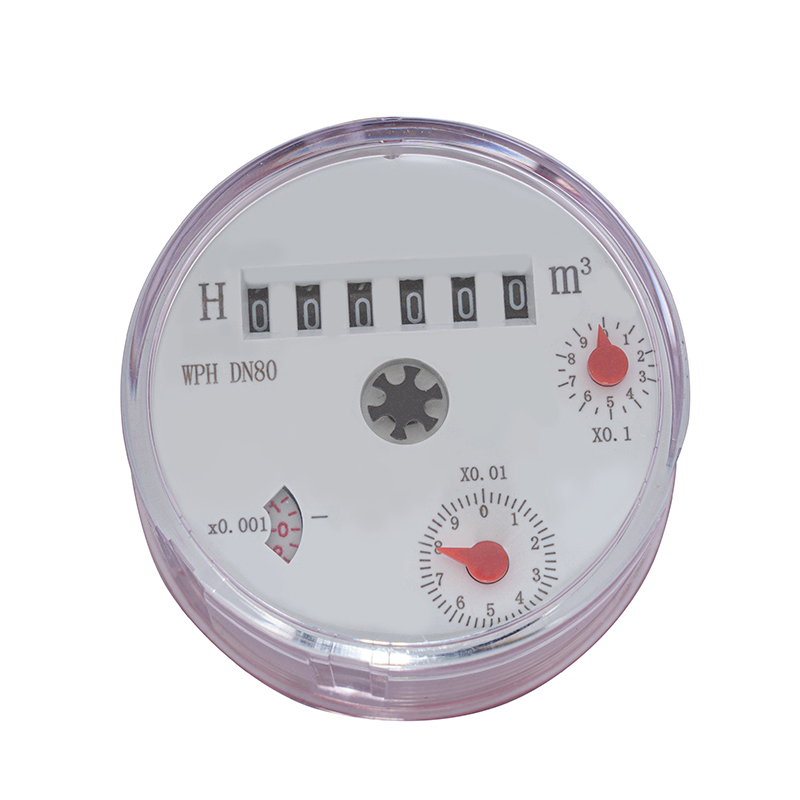
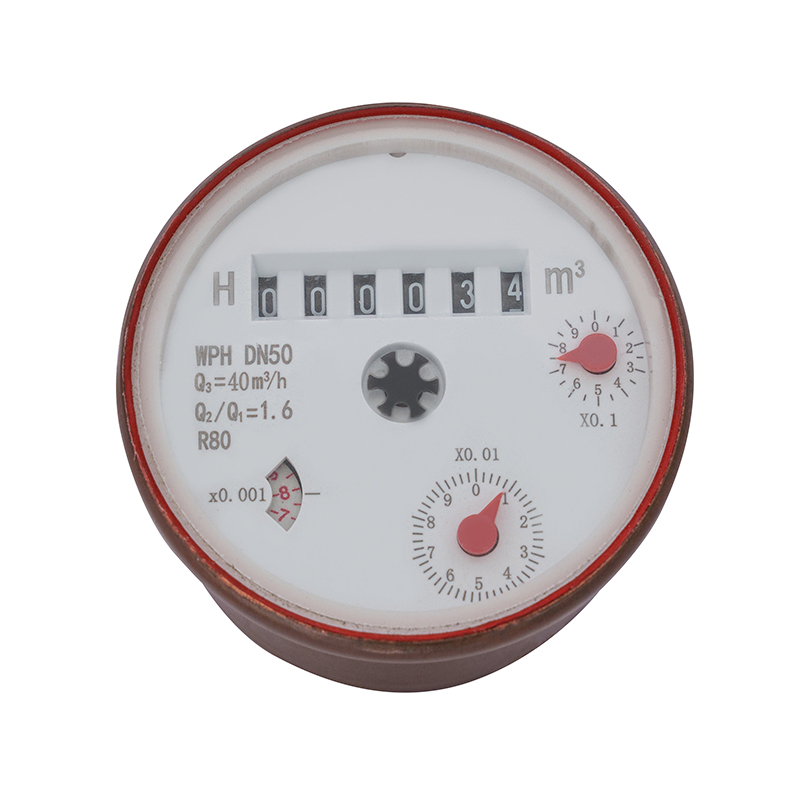
As a company specializing in the production of water meters and related components, Ningbo Water Cube Instrument Technology Co., Ltd. has also applied Hall element pulse remote transmission sensors in our products. We are not only focused on large-diameter water meters and water meter movements but also actively incorporate sensor technology into the design and functionality of our products. For example, in smart water meters, Hall element sensors can accurately measure water flow, pressure, and speed, transmitting this data to remote monitoring systems in real time, ensuring high accuracy and reliability.
With the continuous innovation of sensor technology, Ningbo Water Cube Instrument Technology Co., Ltd. is committed to integrating advanced Hall sensor technologies into its product offerings, contributing to the development of the water meter industry and other industrial applications.
2.Applications of Hall Element Sensors in Industrial Automation
As industrial automation levels continue to improve, Hall element sensors have become increasingly vital in a wide range of industries. Their ability to precisely detect magnetic field changes and transmit pulse signals has made them crucial for enhancing the accuracy, efficiency, and reliability of automated systems. Ningbo Water Cube Instrument Technology Co., Ltd., a technology-driven company, leverages Hall element sensors in our product designs, particularly in the development of smart water meters.
Position Detection
Position detection is a fundamental but critical application in industrial automation. Whether it’s the precise positioning of robotic arms or the detection of motor rotor positions, Hall element sensors provide high-precision feedback signals. By installing a Hall element on moving parts, the sensor can detect position changes as the object passes by. When the object interacts with the sensor, the output signal from the Hall element changes and is converted into a corresponding voltage, which is then used by the control system.
For example, in the design of Ningbo Water Cube Instrument Technology Co., Ltd.'s smart water meters, we integrate high-precision Hall sensors to monitor changes in water flow in real-time. This enables accurate data transmission to a remote system, enhancing the smart functionality of water meters while ensuring the accuracy of water measurement.
Speed Monitoring
In addition to position detection, Hall element sensors are also crucial for speed monitoring. In many industrial devices, such as conveyors, motors, and fans, precise speed control is vital for maintaining optimal production efficiency and product quality. Hall element sensors can monitor an object’s speed by detecting the frequency of pulse signals generated as the object passes the sensor.
For example, on large production lines, Hall element sensors can monitor production speed and transmit the data to a central control system, ensuring that all processes remain within optimal operating parameters. This efficient data transmission and real-time feedback can significantly improve production efficiency and reduce the potential for equipment failure.
Direction Sensing
Another important application of Hall element sensors is in detecting the direction of movement. Many industrial devices, such as motors, cranes, and robotic systems, require precise direction detection to ensure smooth operation. By detecting the polarity of the magnetic field, Hall element sensors can easily determine whether an object is moving in one direction or the opposite.
In smart water meter applications, Ningbo Water Cube Instrument Technology Co., Ltd. integrates Hall element sensors to accurately monitor bidirectional water flow. This feature is crucial for detecting changes in water flow direction in pipeline systems, providing accurate data for flow control and reducing measurement errors. This enhances the accuracy of our products and ensures that users receive reliable readings for water usage.
3.Future Trends of Hall Element Sensors
Hall element pulse remote transmission sensors, as a mature and highly efficient technology, will continue to see increased application in various fields. With ongoing advancements in technology, Ningbo Water Cube Instrument Technology Co., Ltd. is constantly pursuing innovation, particularly in areas such as smart technology, integration, and wireless communication.
Miniaturization and Integration
In the future, Hall element sensors will continue to evolve toward miniaturization and higher levels of integration. With advances in manufacturing techniques, the size of sensors will become smaller, while their performance and functionality will increase. By integrating more functional modules, future sensors will be able to perform a wider range of tasks within a smaller space, improving overall device performance.
At Ningbo Water Cube Instrument Technology Co., Ltd., we are actively exploring how micro-sensor technology can be applied to our water meter products, especially in the development of compact, high-precision smart meters. Miniaturized sensors not only save space but also improve the reliability and longevity of the products.
Development of Wireless Technology
With the rapid growth of the Internet of Things (IoT), wireless communication technology will play an increasingly important role in the future of Hall element sensors. As smart water meters and other devices require remote data transmission, wireless communication technologies enable flexible and efficient data transfer, particularly in environments where wired solutions are not feasible.
Ningbo Water Cube Instrument Technology Co., Ltd. is currently developing smart water meter systems integrated with wireless communication technologies such as low-power Bluetooth, Wi-Fi, and Zigbee. These systems enable users to remotely monitor water usage data, making the entire process more convenient and efficient. This development not only improves the smart capabilities of our products but also significantly reduces installation and maintenance costs.
Multifunctionality and Intelligence
Future Hall Element Pulse Remote Transmission Sensor Assembly will not only be limited to simple physical parameter detection but will also possess greater data processing capabilities and intelligent feedback mechanisms. With the advancement of artificial intelligence, big data, and machine learning technologies, sensors will be able to analyze collected data in real time and make autonomous adjustments.
At Ningbo Water Cube Instrument Technology Co., Ltd., we are integrating intelligent sensor technologies into our water meter products. For example, in future smart water meters, Hall sensors will not only measure water flow, pressure, and temperature but also analyze data using built-in algorithms to predict water flow changes in pipeline systems, alerting users to potential blockages or leaks. These smart features will enhance the efficiency of water resource management and provide users with more effective and energy-efficient solutions.


 عربى
عربى