
 عربى
عربى

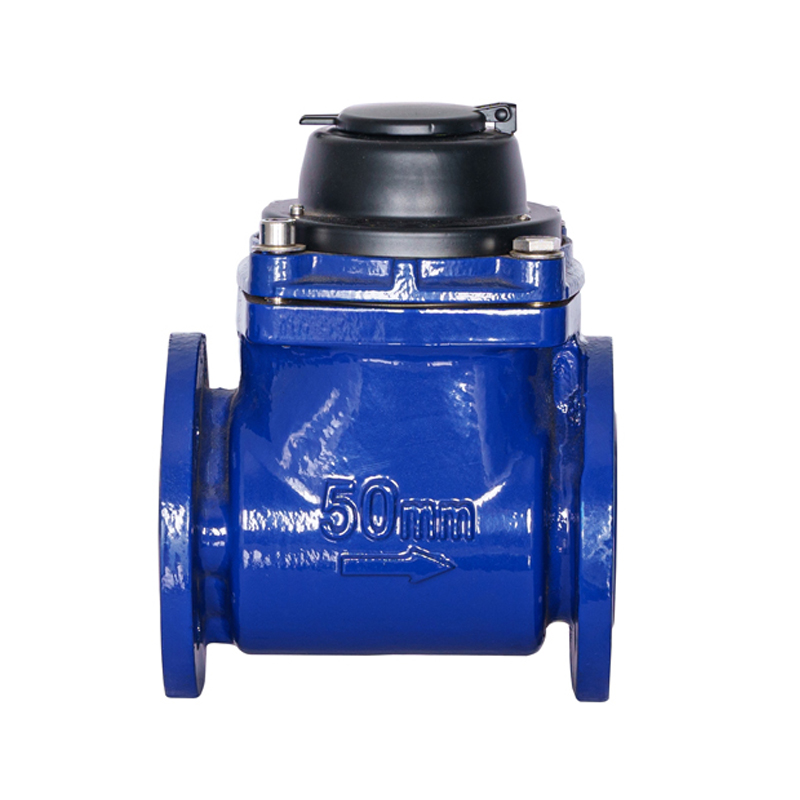
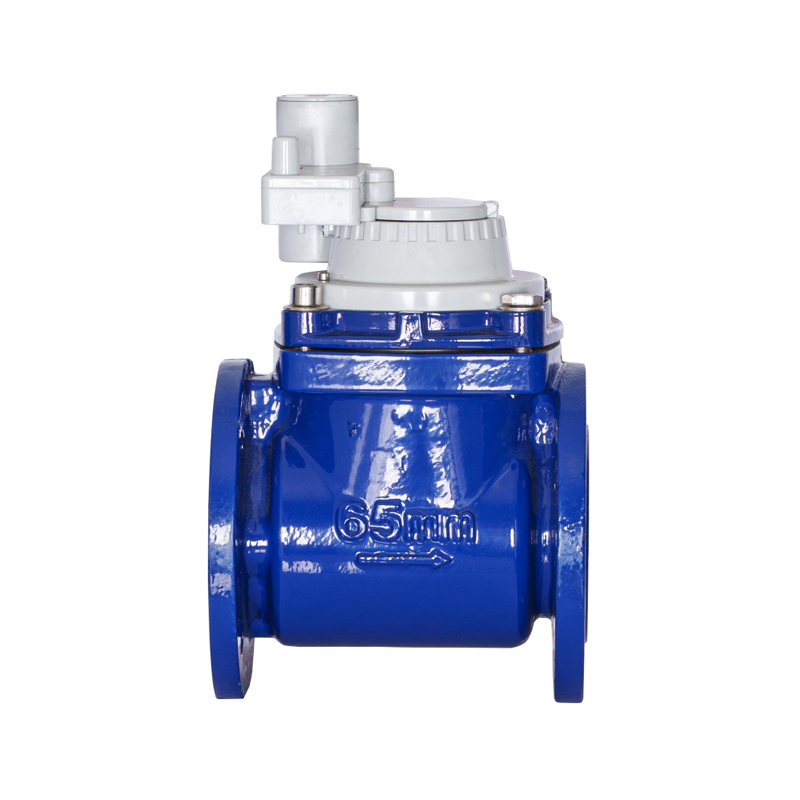
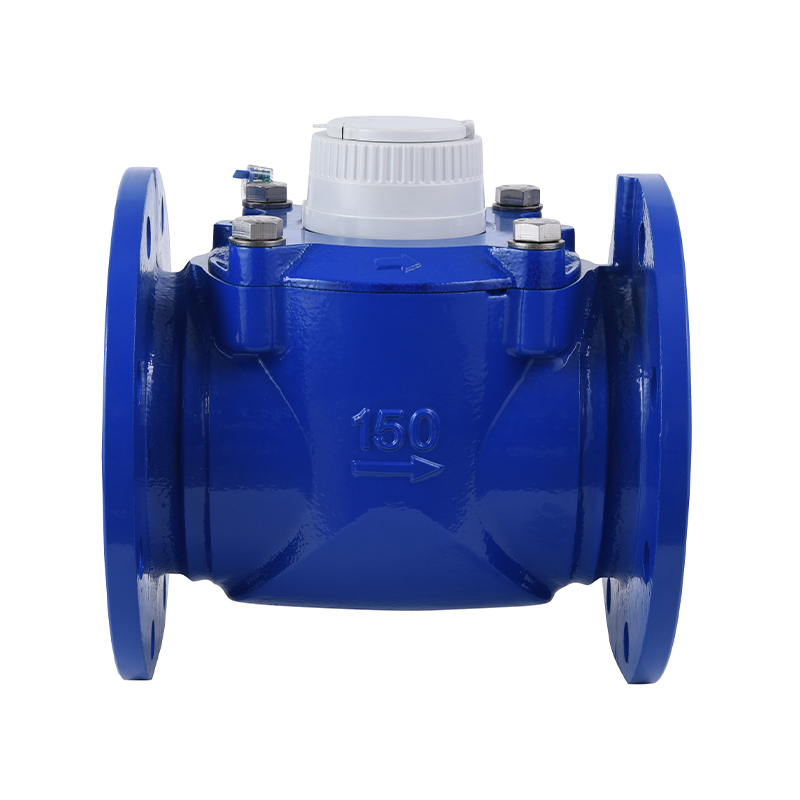
Introduction to WPH Horizontal Spiral Wing Water Meter
The WPH Horizontal Spiral Wing Water Meter is an advanced type of water meter commonly used in residential, commercial, and industrial water management systems. Known for its efficiency and durability, the WPH meter is designed to measure water consumption with high accuracy. Its unique horizontal spiral wing design contributes to a smooth flow of water through the meter, enhancing performance in various flow conditions. While this type of water meter is versatile and reliable, proper installation is essential for its optimal operation.
General Installation Requirements
The installation of the WPH Horizontal Spiral Wing Water Meter does not generally require any highly specialized equipment, but it is important to follow manufacturer guidelines and industry standards to ensure the meter functions correctly. The most critical aspect of the installation is ensuring that the meter is placed in the correct orientation and location, as improper installation can lead to inaccurate readings or premature wear of the meter components.
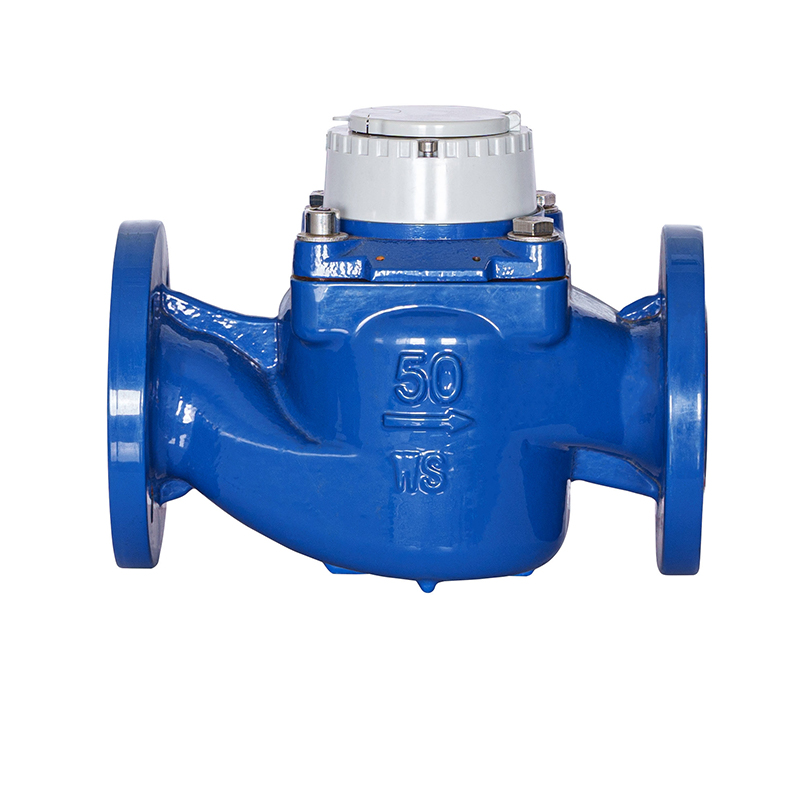
For the WPH water meter, the most important consideration is the direction of water flow. It is essential that the water meter is installed with the flow direction arrow pointing in the direction of water flow in the pipe system. Installing the meter in the wrong orientation could result in the inaccurate measurement of water usage or even damage the internal components. Additionally, ensuring that the meter is installed on a straight section of pipe, with no bends or elbows immediately before or after it, helps maintain accuracy and reduces the risk of turbulence in the flow that could interfere with the meter's readings.
Pipe Size and Compatibility
When installing the WPH Horizontal Spiral Wing Water Meter, it is important to verify that the meter is compatible with the size of the pipe in which it is being installed. The water meter comes in different sizes to accommodate various pipe diameters, and the wrong size can result in improper flow measurement. Meters that are too large or too small for the pipe size may not function effectively, leading to inaccurate readings. As such, the installation process must include checking the pipe's diameter and selecting a meter that matches these specifications.
In some cases, the installation may require the use of adapters or reducers to ensure a proper fit between the water meter and the existing pipe. These components should be chosen based on the material and diameter of the pipes to avoid any issues with leakage or improper connections. It is essential to ensure that any adapter or reducer used in the installation is tightly secured to avoid water flow disturbances, which could lead to inaccurate readings or potential damage to the meter.
Proper Placement of the Water Meter
Another crucial aspect of installing the WPH Horizontal Spiral Wing Water Meter is determining the correct placement of the meter within the pipeline. The meter should be installed in a location that ensures uninterrupted flow and allows easy access for maintenance and reading. Ideally, the meter should be placed in a section of the pipeline that is accessible, free from obstructions, and protected from external factors like extreme temperatures or physical damage.
The meter should also be positioned horizontally, as suggested by its design. Installing the meter vertically or at an angle may cause measurement errors, as the internal components of the water meter are optimized for horizontal orientation. Additionally, positioning the meter on a stable and level surface is essential to ensure that it is securely attached to the pipe and that the water flow remains consistent.
Environmental Considerations and Protection
The environment in which the WPH Horizontal Spiral Wing Water Meter is installed also plays a significant role in its performance. The meter should be protected from harsh environmental conditions such as extreme heat, freezing temperatures, or exposure to corrosive substances. In areas where freezing conditions are common, the meter should be installed in a location that minimizes the risk of freezing, or insulation should be added around the meter to protect it from cold temperatures. Similarly, in environments with high levels of humidity or corrosive gases, it may be necessary to install protective housing around the water meter to prevent damage.
Furthermore, the meter should be installed away from any sources of vibration or external pressure that could affect its operation. Vibrations can interfere with the internal mechanisms of the meter, leading to inaccurate readings. It is also important to ensure that the water meter is not exposed to excessive pressure fluctuations in the system, as this can cause wear on the internal components and may even damage the meter over time. Installing pressure relief valves or using pressure regulation devices can help mitigate these risks.
Alignment and Leveling of the Water Meter
One of the key installation steps for the WPH Horizontal Spiral Wing Water Meter is ensuring proper alignment and leveling. The meter needs to be installed in a way that it remains level throughout its lifetime to maintain its accuracy and reliability. Even minor misalignments can affect the internal components of the meter, leading to discrepancies in readings. Ensuring the meter is level also ensures that the water flows evenly through the internal mechanism, preventing errors caused by air pockets or uneven distribution of water flow.
To ensure correct alignment, the installer should use a level tool to verify that the water meter is properly positioned before securing it in place. In addition, the surrounding pipes should be checked to ensure they are aligned with the meter to prevent any stress or distortion on the meter’s body. Any misalignment of the surrounding pipes should be corrected before proceeding with the installation process to avoid future complications.
Sealing and Connection of the Meter
Proper sealing and securing of the WPH Horizontal Spiral Wing Water Meter are essential steps in the installation process. The connections between the water meter and the pipe must be tight to prevent any leakage or water loss, which could affect the meter’s accuracy and efficiency. Leaks can also lead to corrosion or damage to the meter's components, shortening its lifespan.
The use of high-quality sealing materials is recommended during installation. Gaskets or O-rings should be installed at the connection points to ensure a watertight seal. It is important to use materials that are compatible with the type of pipes and the surrounding environment to prevent degradation or failure of the seals over time. Tightening the connections carefully, without over-tightening, is also essential to ensure that the seals remain intact and functional without damaging the meter’s components.
Electrical Considerations for Remote Reading Meters
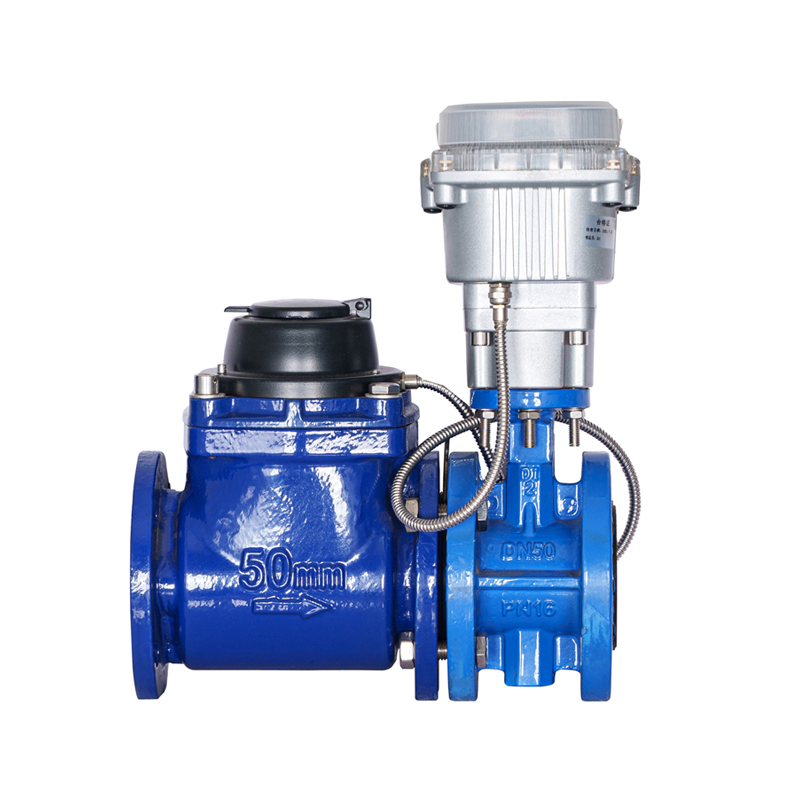
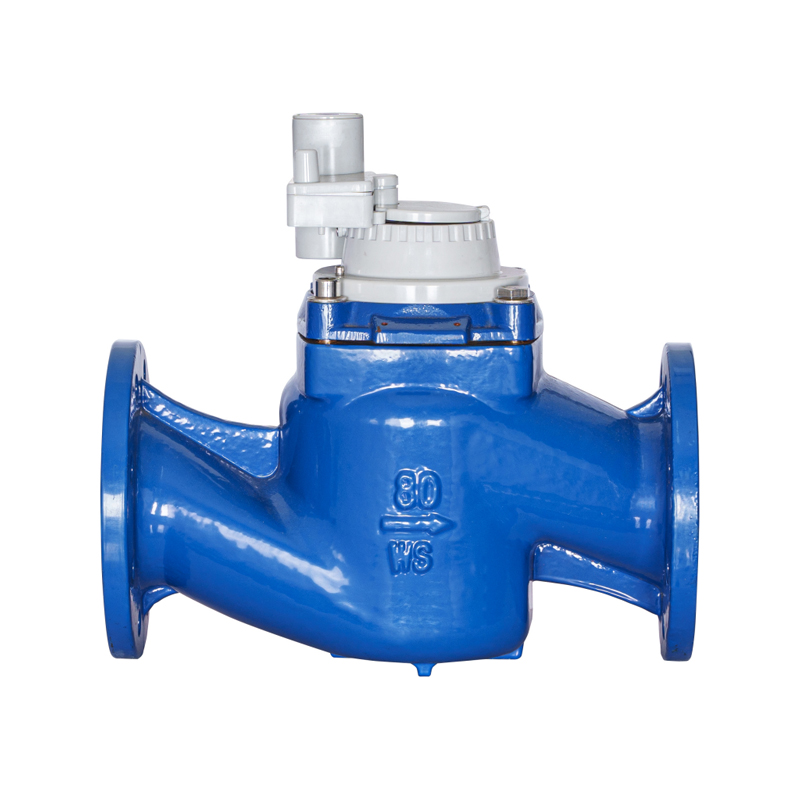
In some cases, the WPH Horizontal Spiral Wing Water Meter may be equipped with a remote reading system, allowing for easier monitoring of water usage. When installing such meters, additional electrical considerations must be addressed. The wiring for the remote reading system should be installed in accordance with local electrical codes and standards to ensure safe and reliable operation. The wiring should be properly insulated and shielded from environmental factors, such as moisture or excessive heat, to prevent short circuits or other electrical issues.
Furthermore, the remote reading system should be connected to a stable power supply, if necessary, and the communication lines should be tested to ensure they are functioning properly. It is important to follow the manufacturer's guidelines for wiring and setup to ensure that the remote reading system is accurately collecting data and transmitting it to the monitoring station or system.
Testing the Installation
Once the WPH Horizontal Spiral Wing Water Meter is installed, it is essential to perform a thorough testing process to ensure that it is functioning as intended. This involves checking for leaks at the connection points, ensuring the meter is correctly aligned, and verifying that the water flows freely and smoothly through the meter. The system should be tested for any signs of irregularities, such as air bubbles, vibrations, or unusual sounds, which could indicate issues with the installation.
Additionally, the meter should be tested to confirm that it is accurately measuring water consumption. This can be done by comparing the meter readings to known flow rates or by using a calibrated flow measurement device. If discrepancies are found, adjustments should be made to the installation, such as ensuring proper alignment, sealing, or adjusting the water pressure to match the meter’s specifications.
Maintenance and Periodic Checks
After the WPH Horizontal Spiral Wing Water Meter is installed, it is important to establish a regular maintenance and inspection schedule. Routine checks ensure that the meter remains in good working condition and that it continues to provide accurate readings. Inspections should focus on the physical condition of the meter, including the connections, seals, and surrounding pipes. Any signs of wear, damage, or corrosion should be addressed promptly to prevent further issues.
Additionally, the meter should be tested periodically to ensure it remains calibrated and that its readings are accurate. Over time, the internal components of the meter may experience wear, and recalibration may be necessary to maintain accuracy. Regular maintenance can also help identify potential issues early, reducing the likelihood of costly repairs or replacements.