
 عربى
عربى

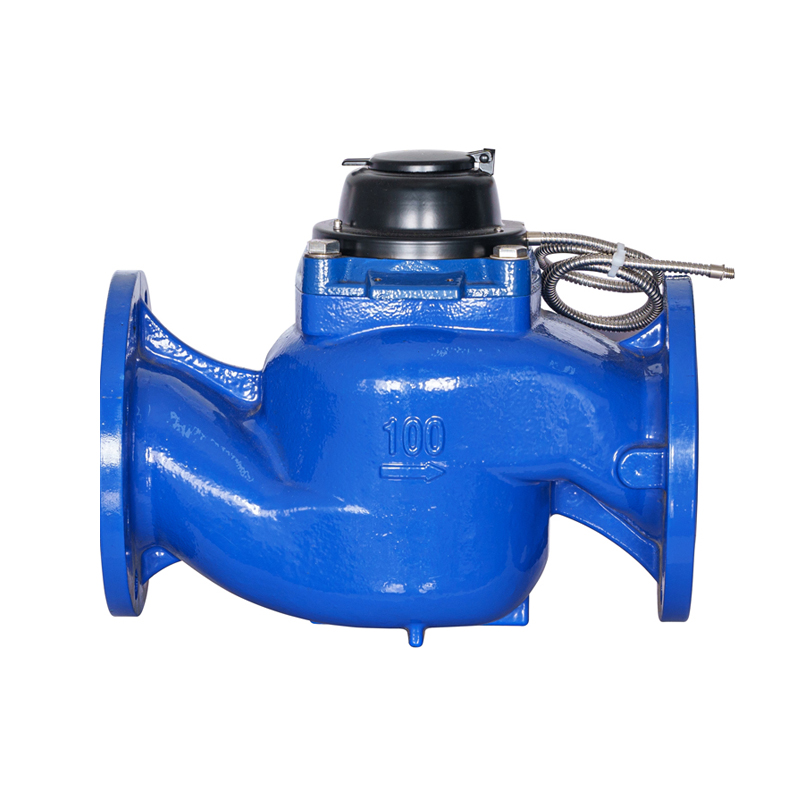
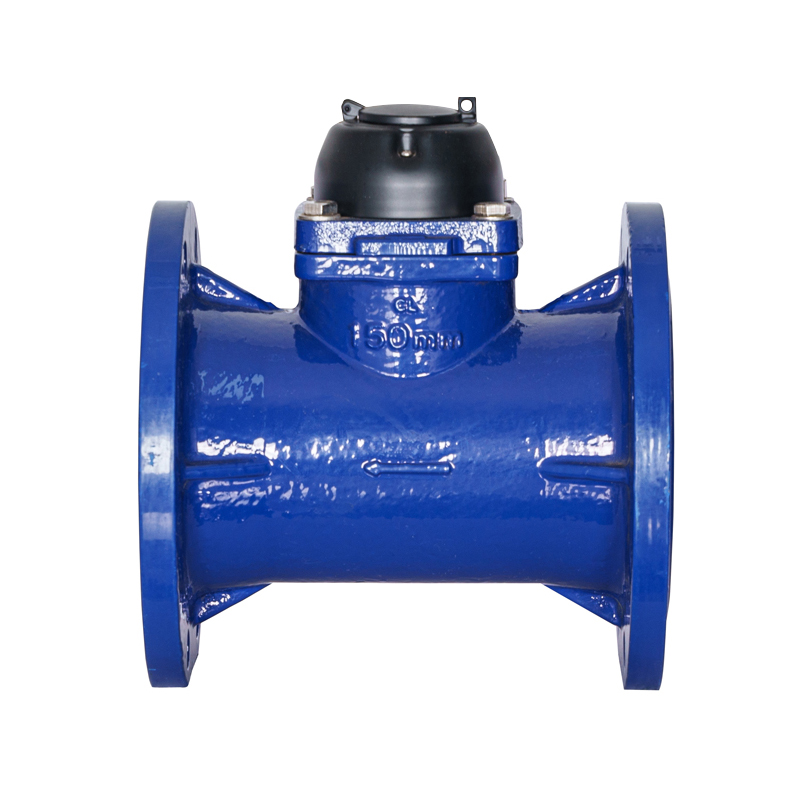
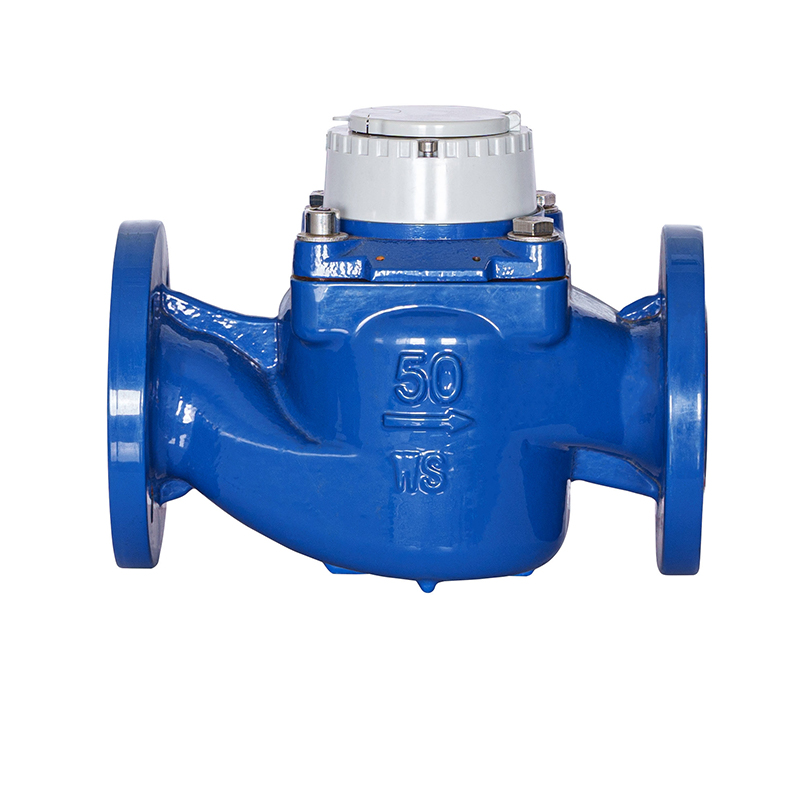
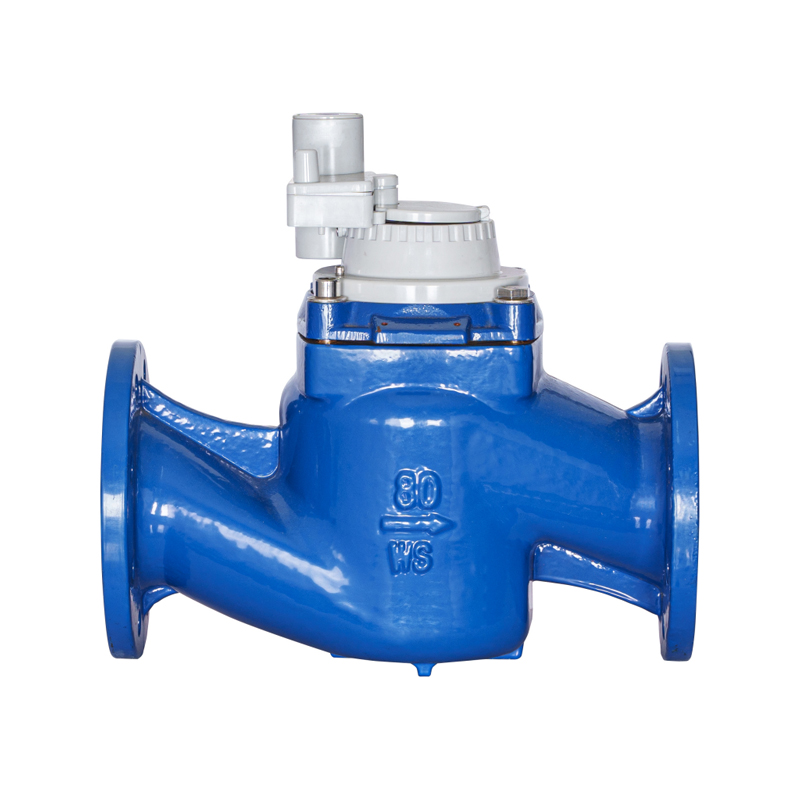
Introduction to WI Irrigation Water Meters
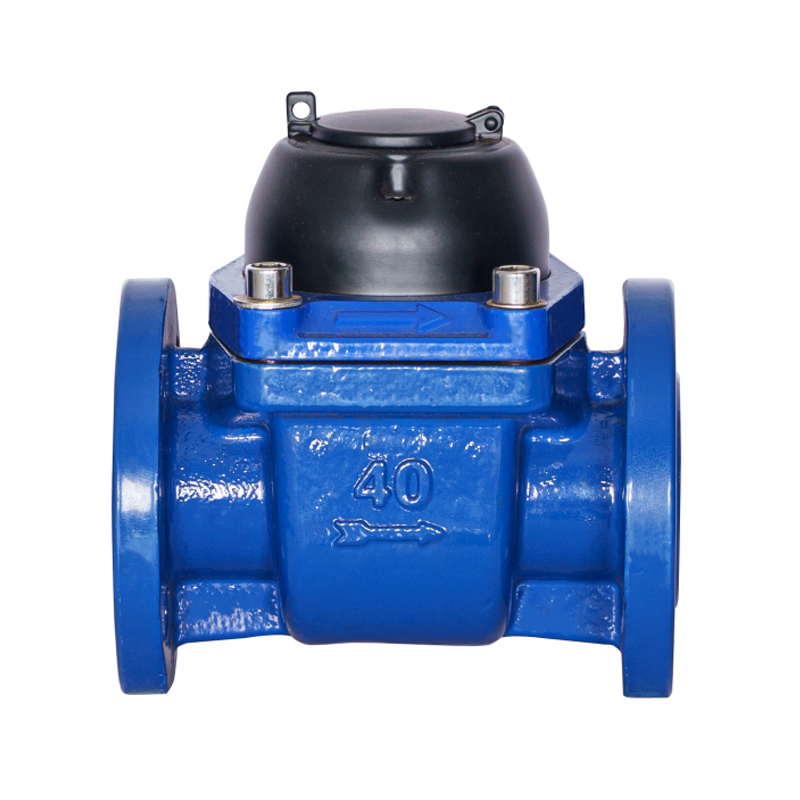
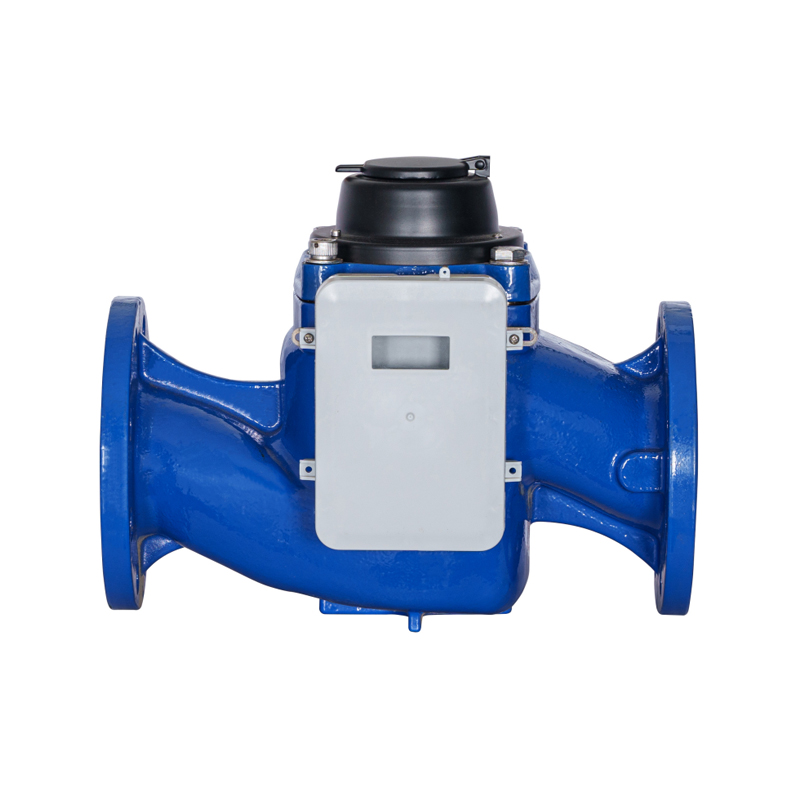
WI irrigation water meters are widely used in agricultural and landscape irrigation systems to measure water flow accurately and efficiently. They provide data that helps optimize water usage, reduce waste, and monitor irrigation performance. Long-term accuracy is essential for these meters, as deviations can lead to overwatering, water shortages, or incorrect billing. Proper maintenance ensures that WI meters continue to provide reliable readings over extended periods, minimizing operational disruptions and prolonging their service life.
Importance of Regular Inspection
Regular inspection is fundamental for maintaining the accuracy of WI irrigation water meters. Visual checks help identify signs of wear, corrosion, or physical damage. Inspecting connections, seals, and fittings ensures that no leaks or blockages compromise flow measurement. Any debris, dirt, or sediment accumulation within the meter body can affect the movement of internal components and reduce accuracy. Routine inspection allows early detection of potential problems, preventing more significant issues that could affect irrigation management.
Cleaning Procedures for Meters
Cleaning the internal and external components of WI water meters is crucial for consistent performance. Sediment and mineral deposits can accumulate in pipes and meter chambers, affecting turbine or piston movement. Periodic flushing of the meter and cleaning of strainers or screens can prevent obstructions. Using soft brushes or non-abrasive cloths helps avoid damage to sensitive surfaces. Proper cleaning maintains smooth operation of internal mechanisms and ensures that readings remain reliable over time.
Calibration and Verification
Calibration is a critical maintenance procedure that ensures WI irrigation water meters provide accurate measurements. Over time, meter performance may drift due to wear or environmental factors. Periodic calibration using reference flow rates or certified test facilities helps verify that the meter remains within acceptable accuracy limits. Documenting calibration results allows for trend analysis and proactive maintenance planning. Verification ensures compliance with regulatory standards and provides confidence in recorded water usage data.
Lubrication of Moving Parts
Some WI irrigation water meters have moving components such as rotors, pistons, or gears that require lubrication to operate smoothly. Applying recommended lubricants prevents excessive friction, wear, and potential sticking. Lubrication intervals should follow manufacturer guidelines, and only compatible lubricants should be used to avoid chemical damage or contamination. Proper lubrication contributes to consistent mechanical performance, reducing the risk of measurement errors caused by slowed or obstructed components.
Protection Against Environmental Factors
WI water meters are often installed in outdoor environments and may be exposed to extreme temperatures, UV radiation, or moisture. Protective measures, such as housing enclosures, insulation, or shielding, help maintain stable operating conditions. Freezing conditions can damage meter components, so insulation or heating elements may be necessary in cold climates. Exposure to direct sunlight or rain can also affect the meter body and seals. Environmental protection reduces physical stress and ensures the meter maintains accuracy over time.
Leak Detection and Pipe Integrity
Leaks in the piping system can cause inaccuracies in water meter readings. Regular checks for leaks around the meter and throughout the irrigation system help maintain accurate measurements. Inspecting connections, gaskets, and seals for wear or damage ensures that water flows only through the meter without bypassing it. Maintaining the structural integrity of pipes prevents pressure fluctuations that could impact the mechanical operation of the meter, preserving long-term measurement consistency.
Replacement of Worn Components
Over time, components such as O-rings, seals, bearings, or rotors may wear out and affect meter accuracy. Scheduled replacement of these parts prevents unexpected failures and preserves measurement reliability. Using manufacturer-specified replacement components ensures compatibility and maintains the designed performance characteristics of the meter. Keeping a maintenance log of replaced parts aids in planning future replacements and supports long-term operational consistency.
Recommended Maintenance Schedule for WI Irrigation Water Meters
| Maintenance Task | Frequency | Purpose |
|---|---|---|
| Visual inspection of meter and connections | Monthly | Identify leaks, corrosion, or damage |
| Cleaning internal components and strainers | Quarterly | Prevent sediment accumulation and flow obstruction |
| Calibration and verification | Annually | Ensure measurement accuracy |
| Lubrication of moving parts | Every 6 months | Reduce friction and wear |
| Seal and component replacement | As needed | Maintain functional integrity |
Monitoring Flow Trends and Data Analysis
Analyzing historical flow data from WI irrigation water meters can help identify potential maintenance needs before they affect accuracy. Sudden changes in recorded flow rates may indicate blockages, leaks, or mechanical wear. Regular monitoring enables operators to plan targeted maintenance and anticipate part replacements. Data-driven maintenance supports proactive strategies, ensuring long-term accuracy while reducing unexpected downtime or system interruptions.
Operator Training and Best Practices
Proper maintenance also depends on trained personnel who understand WI irrigation water meter operation and care requirements. Operators should follow manufacturer instructions, use appropriate tools, and document maintenance actions. Knowledge of common issues, such as sediment buildup, pressure fluctuations, and environmental impacts, helps personnel make informed decisions about when and how to perform maintenance. Training promotes consistent practices that extend the operational life of meters and maintain measurement reliability.