
 عربى
عربى

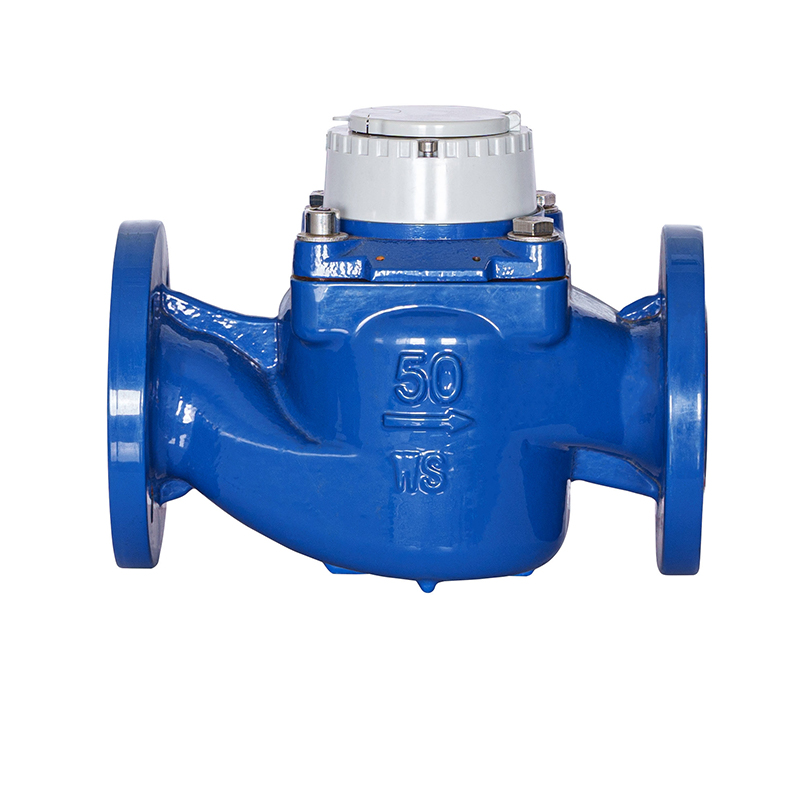
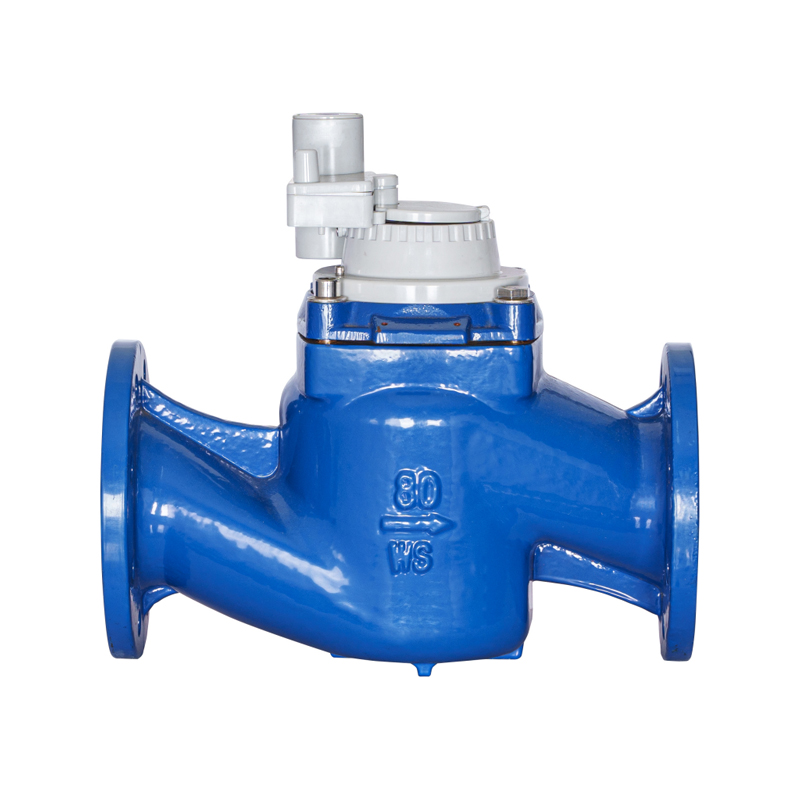
The WPH horizontal spiral wing water meter is a mechanical flow meter designed for large-diameter pipelines. If you are selecting a meter for a municipal main, an industrial process line, or a commercial inlet, the WPH series is worth evaluating because it combines high flow capacity with a detachable measuring mechanism that simplifies long-term maintenance. Below, you will find the core specifications, practical applications, and the factors that matter most when committing to a purchase.
What a WPH Horizontal Spiral Wing Water Meter Does
A horizontal spiral wing meter uses a helical impeller mounted in a horizontal orientation. As water passes through the pipe, the impeller rotates at a speed proportional to the flow rate. That rotation is transferred to a counter or a remote readout system. The most important advantage of this construction is the low pressure loss, which makes it suitable for continuous large-volume flow rather than for small residential lines.
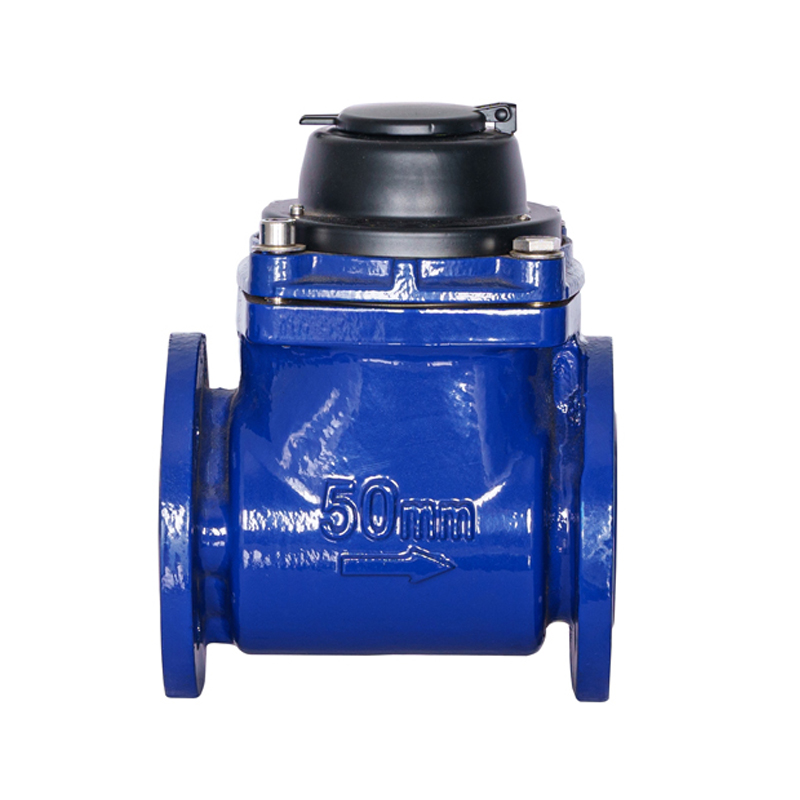
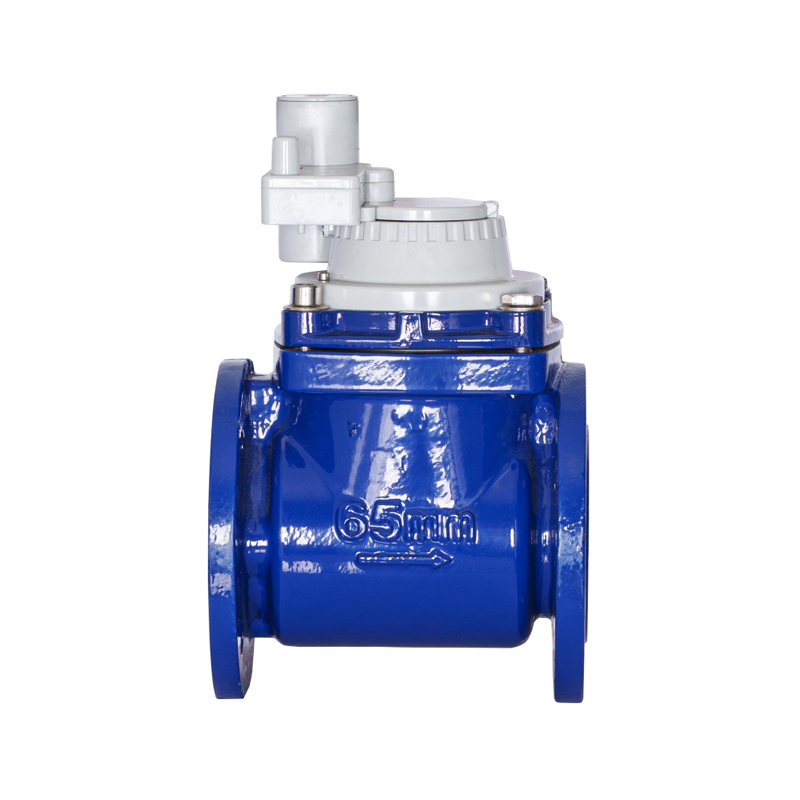
The WPH series from Ningbo Water Cube covers pipe sizes from DN40 to DN600. That means a single product family can handle a branch line at the low end and a high-capacity main pipe at the top end. The series includes standard detachable meters, non-magnetic integrated versions, valve-controlled models, and compact WPH models for smaller nominal sizes.
Key Specifications to Evaluate
When reviewing a WPH horizontal spiral wing water meter, focus on four technical parameters: nominal diameter, flow range, pressure loss, and the material of the wetted parts. These determine whether the meter will perform accurately in your specific hydraulic profile.
| Model Variant | Nominal Diameter | Key Feature |
|---|---|---|
| WPH DN40-DN65 | DN40 to DN65 | Compact horizontal spiral wing meter for smaller branch lines |
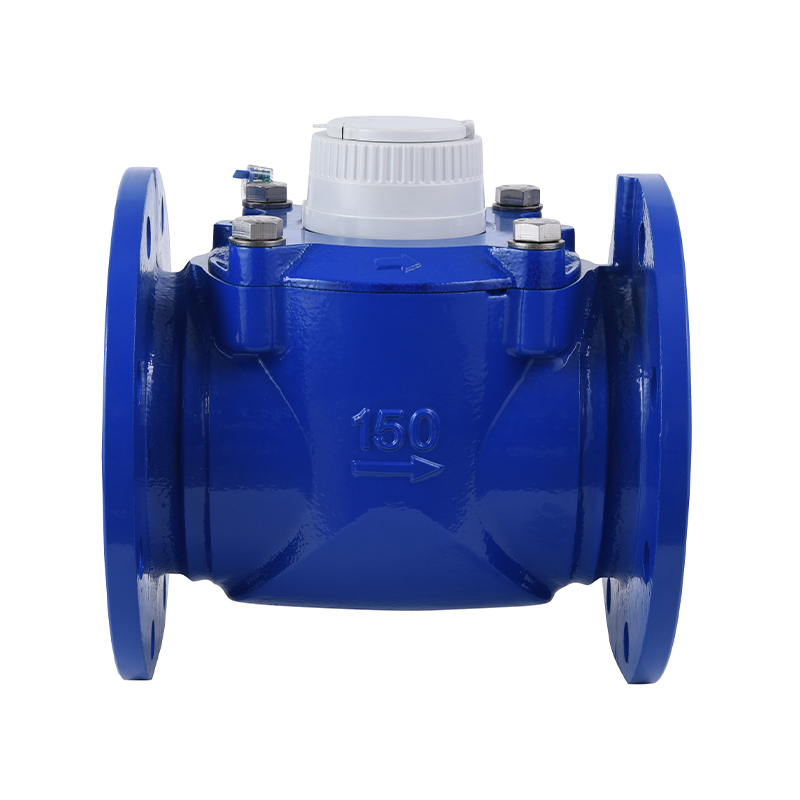
| WPH DN50-DN200 Detachable | DN50 to DN200 | Standard removable measuring mechanism |
| WPH DN50-DN200 Non-Magnetic Integrated | DN50 to DN200 | Reduces magnetic interference from iron particles in the water |
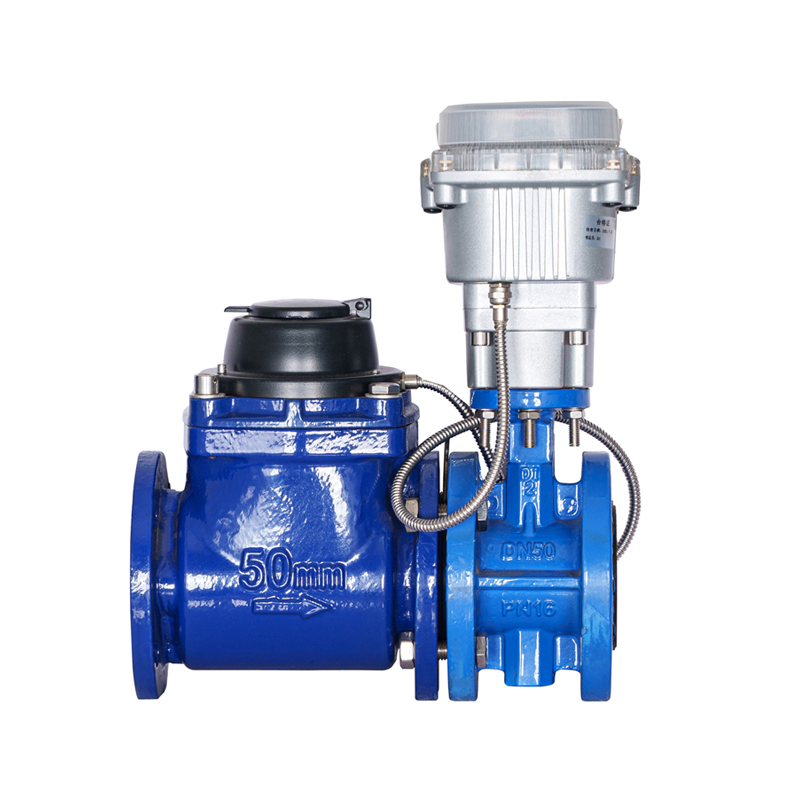
| WPH DN50-DN200 Valve-Controlled | DN50 to DN200 | Integrates a stacked valve for remote or local shut-off |
| WPH DN50-DN500 Detachable | DN50 to DN500 | Wide coverage for municipal and industrial mains |
| WPH DN400-DN600 | DN400 to DN600 | Large-diameter removable meter for trunk pipelines |
The detachable design is not a luxury; it is a practical decision for large meters. When a DN200 or larger meter needs to be inspected, a removable measuring insert can be lifted out without pulling the pipe apart. This reduces downtime and avoids the cost of decommissioning an entire section of the line.
Where a WPH Spiral Wing Meter Serves Best
The horizontal spiral wing construction is particularly effective for continuous flow with relatively stable pressure. Water supply networks, irrigation mains, and industrial cooling circuits all share that characteristic. The WPH series performs well at these sites because the helical impeller responds to moderate and high velocities without creating excessive head loss.
One of the largest benefits is the ability to measure high flow rates while keeping the pressure drop low. This is why the WPH DN50-DN200 horizontal detachable spiral wing water meter is a common choice for building service entrances and district metering points. It delivers a clear reading even when the flow is distributed across multiple branches.
For agricultural irrigation systems, a horizontal spiral wing meter can handle elevated flow from a pump station or a reservoir outlet. The WI irrigation series is a dedicated alternative, but if the site already has a WPH-compatible flange arrangement, the WPH model can also fulfill that role. Choose based on the available pipe size and the exact flow profile.
Comparing WPH with Other Spiral Wing Configurations
Sometimes buyers confuse the horizontal spiral wing meter with a vertical spiral wing meter. The difference lies in the orientation of the impeller axis relative to the pipe. A horizontal spiral wing meter has its impeller parallel to the flow, while a vertical spiral wing meter uses a vertical shaft.
Horizontal spiral wing meters generally offer higher flow capacities for a given pipe size and are easier to install in horizontal pipe runs with limited vertical clearance. Vertical spiral wing meters, on the other hand, are often chosen for their sensitivity at low flow rates and are frequently used in high-precision monitoring applications. If your flow varies from near zero to a very high peak, a vertical spiral wing meter may be more appropriate. If your operation is largely steady at high volume, the WPH horizontal configuration is usually the more economical choice.
Maintenance and Long-Term Cost Considerations
Large-diameter water meters are not replaced every few years. They are expected to serve for many years, possibly a decade or more. Therefore, the maintenance path is as important as the initial purchase price. In this respect, the removable construction is a decisive advantage.
With a detachable WPH meter, you can remove the measuring element, install a spare, and return the unit to service quickly. The removed component can then be cleaned, recalibrated, or replaced at the workshop. This procedure reduces the number of isolation valves needed and allows the meter to stay in operation while the measuring insert is serviced.
Another maintenance factor is the magnet-based or non-magnetic design. In water supplies containing rust or iron filings, a conventional magnetic transmission may attract debris, leading to drag and reading drift. The WPH DN50-DN200 horizontal detachable screw wing non-magnetic integrated water meter avoids that problem by eliminating the magnetic coupling. This is a concrete option worth specifying when the water source is a borehole, an old steel pipeline, or a field where dissolved iron is present.
Smart Metering and Data Transmission
The WPH series is primarily a mechanical meter, yet it is often specified in projects that also require remote reading. A pulse output or a remote transmission sensor can be added to convert the mechanical rotation into a digital signal. This allows the WPH meter to feed into an existing SCADA system or a smart water platform.
If you need data collection without replacing the whole meter, consider pairing a WPH unit with an external sensor assembly. The large-caliber water meter pulse remote transmission sensor assembly is designed for exactly this purpose. It captures each rotation and sends a pulse that the data logger can record. The result is a familiar mechanical meter with a modern digital interface.
For projects that need fully integrated telemetry, the WS vertical spiral wing series offers NB-IoT or photoelectric direct-reading versions. Those are appropriate when you want a single unit that communicates wirelessly from the start. The WPH remains the workhorse for local mechanical reading where the primary goal is accurate billing or process control.
Purchase Considerations and Common Pitfalls
Before you place an order for a WPH horizontal spiral wing water meter, verify three points against your system drawings.
- Actual working flow range: The meter should operate comfortably between 20 percent and 80 percent of its nominal continuous flow. Avoid selecting a meter based solely on the maximum flow rate, because a meter that runs too close to its peak may have a shorter service life and higher pressure loss.
- Available pipe flanges: WPH meters are available in various flange standards. Confirm the pressure class and bolt pattern before buying, especially for retrofit projects where the pipe has already been constructed.
- Water quality and debris content: If the supply contains fibrous material or sand, the measurement insert may need a more robust material option. For magnetically sensitive environments, specify the non-magnetic version.
A common mistake is to choose a large-diameter meter for a site where the flow is only a fraction of the rated capacity. That yields a very low reading accuracy, especially at night or at weekends when demand drops. A smaller WPH meter with a wider range ratio would be more effective.
How to Proceed with a WPH Selection
Start by calculating the minimum and maximum flow at the meter location. Then check the pipe size, available upstream pipe length, and acceptable pressure loss. From there, choose a model with a nominal diameter that falls within the real working range rather than the maximum rated capacity.
The WPH DN50-DN200 horizontal detachable spiral wing water meter is a versatile option for most medium-sized service lines. For larger municipal trunk mains, the DN400-DN600 horizontal removable water meter provides the necessary capacity and the advantage of a removable mechanism for periodic verification. If the installation space is limited to a smaller diameter, the WPH DN40-DN65 model is appropriate for narrow branch lines where a low-flow measurement is still required.
For a deeper look at the selection logic, read the industry overview of the horizontal spiral wing water meter. It explains the construction differences in plain terms and can help you confirm whether a WPH meter matches the hydraulic conditions of your site.
Conclusion
The WPH horizontal spiral wing water meter is a reliable, low-maintenance choice for large flow measurement. Its detachable insert, broad diameter range, and optional non-magnetic design address the most common operational concerns in water distribution and industrial metering. When you match the nominal size to the actual flow range, specify the correct flange standard, and plan for periodic recalibration, this meter will deliver accurate readings and a long service life. Choose the model that fits your pipeline, and the low pressure loss will benefit your system every day it remains in operation.