
 عربى
عربى

Introduction to Vertical Water Meters
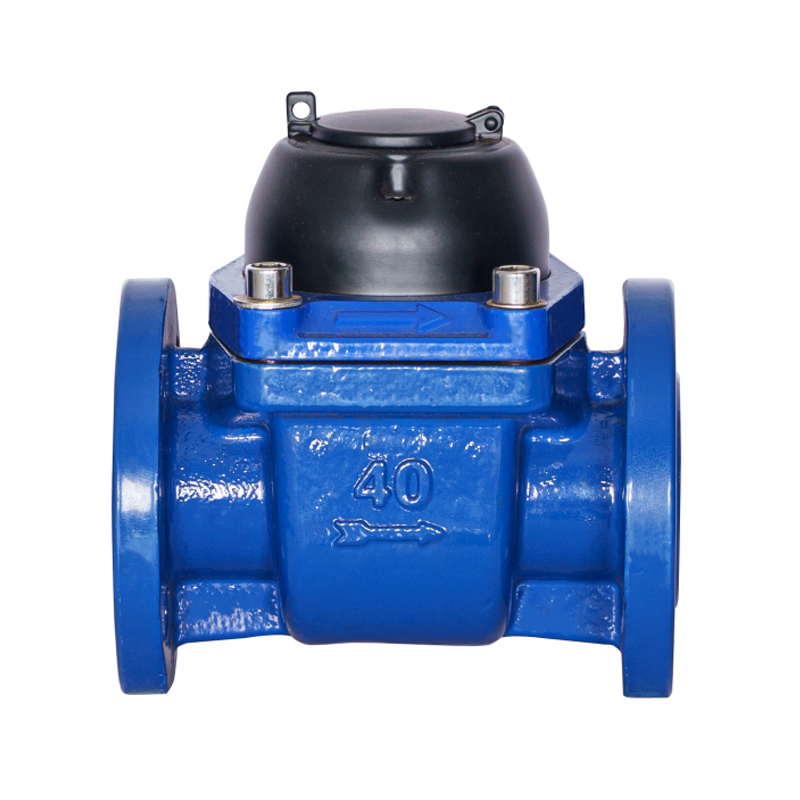
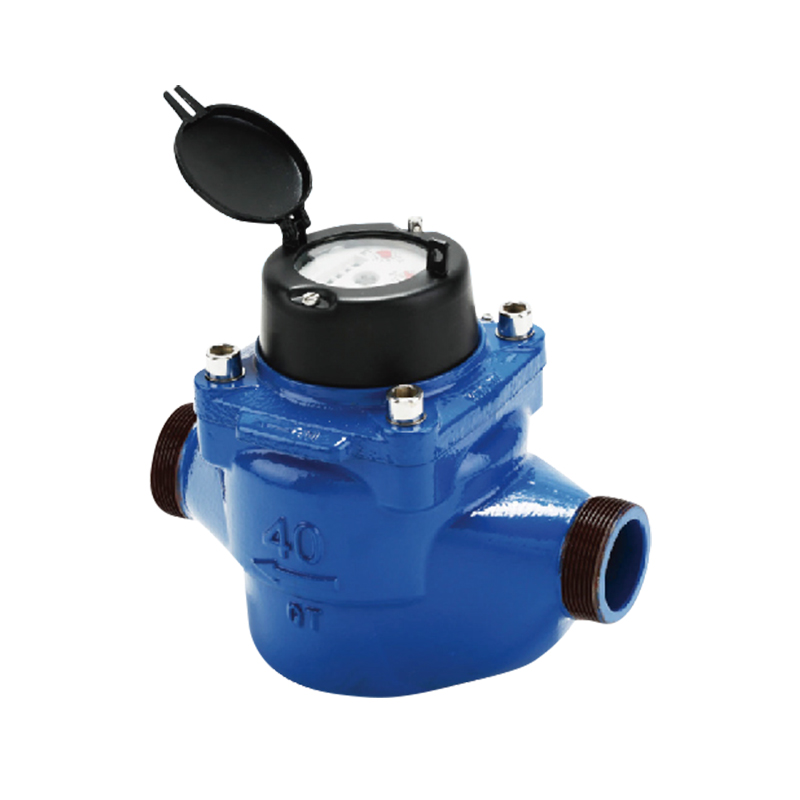
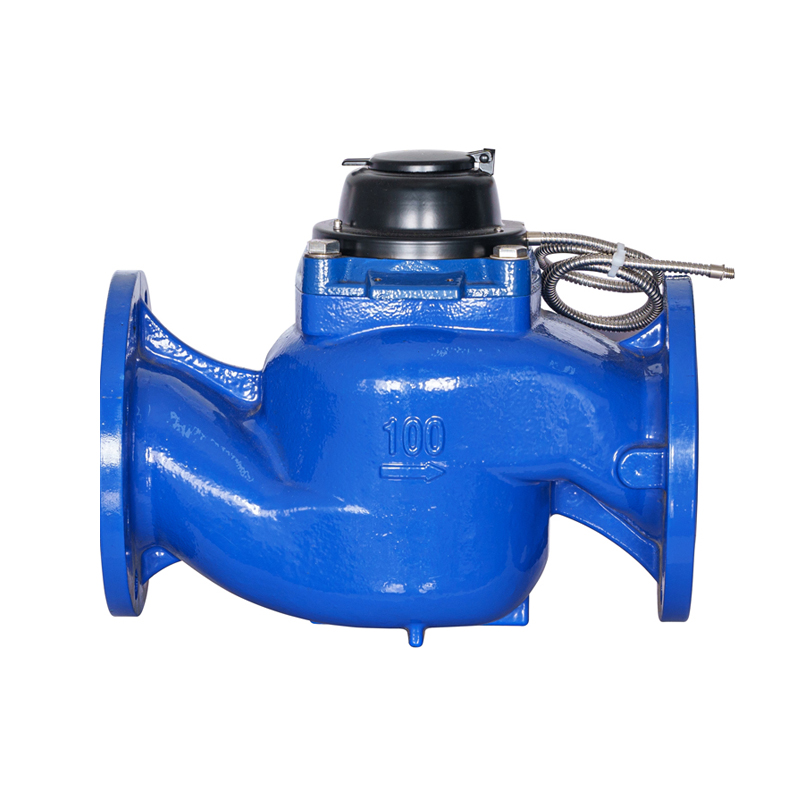
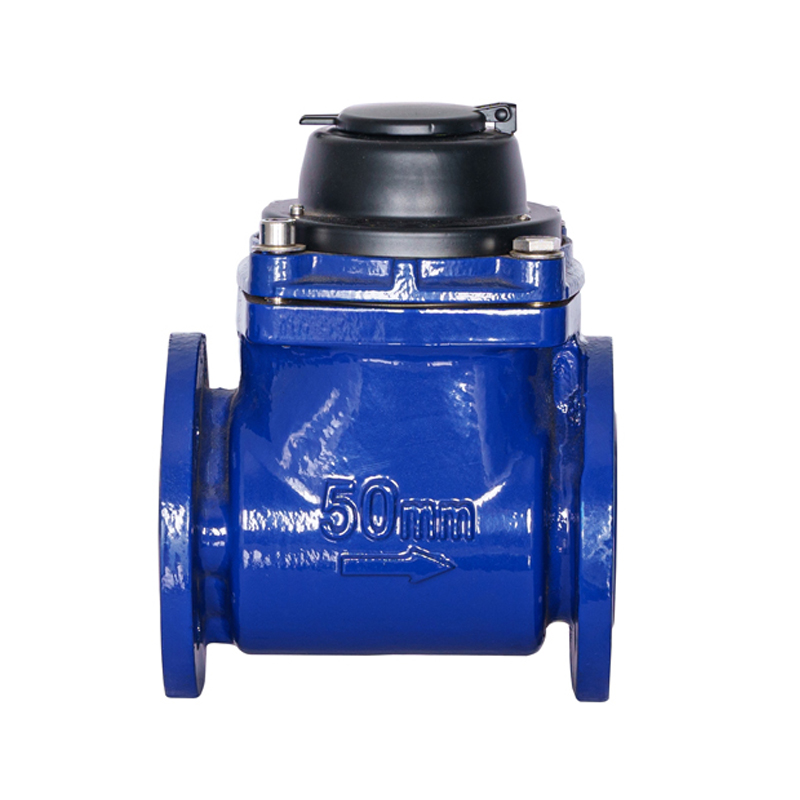
Vertical water meters are widely used in residential, commercial, and industrial settings to measure water consumption accurately. They are installed in a vertical orientation to facilitate water flow through the measurement mechanism. Despite their general reliability, vertical water meters can encounter issues such as wear, jamming, leaks, or reading drift, which may affect measurement accuracy and operational lifespan. Understanding these potential challenges is essential for proper maintenance and selection.
Design and Working Principle
Vertical water meters typically use a mechanical or magnetic measurement system to record water flow. Mechanical meters often rely on a rotating impeller, piston, or turbine, whereas magnetic meters measure the velocity of water using electromagnetic principles. The vertical design ensures that water enters from below, allowing gravity and flow dynamics to support proper rotation of measurement components. Correct installation and orientation are critical to maintain accurate readings and minimize mechanical stress.
Wear Mechanisms in Vertical Water Meters
Wear is a common issue in vertical water meters due to continuous water flow and particle-laden water. Mechanical parts such as impellers, bearings, and pistons are subject to abrasion, particularly if water contains sand, silt, or other solid impurities. Over time, this wear can reduce the efficiency of the measurement mechanism, affecting accuracy and lifespan. Selection of materials such as stainless steel or hardened polymers can mitigate wear in high-use or abrasive environments.
Causes of Jamming
Jamming occurs when debris, scale buildup, or mechanical misalignment prevents moving parts from rotating freely. In vertical water meters, the impeller or piston can become obstructed by mineral deposits or small particles in the water. Reduced flow or complete stoppage leads to inaccurate readings and potential damage. Regular cleaning, proper filtration, and installation in systems with low sediment levels help reduce the likelihood of jamming.
Leakage Risks and Prevention
Leaks in vertical water meters can occur at connections, seals, or joints. Seals may degrade over time due to pressure fluctuations, chemical exposure, or temperature variations. Improper installation, such as misaligned fittings or over-tightened connectors, can also contribute to leaks. Periodic inspection and replacement of gaskets or O-rings, along with correct installation practices, maintain water tightness and prevent operational loss.
Reading Drift and Accuracy Challenges
Reading drift refers to the gradual deviation of meter readings from actual water consumption. Causes include mechanical wear, debris accumulation, magnetic interference in electromagnetic meters, or calibration changes over time. Drift may lead to over- or under-billing and affect water management decisions. Regular calibration and maintenance, combined with high-quality components, help minimize reading drift and ensure consistent performance.
Impact of Water Quality
Water quality significantly affects vertical water meter performance. Hard water with high mineral content increases scale formation, leading to partial obstruction or wear. Sediment-laden water accelerates abrasion on moving parts. Chlorinated or chemically treated water can also interact with seals and bearings, potentially causing leaks or material degradation. Implementing water filtration, softening, or chemical neutralization reduces these risks and extends meter life.
Maintenance Practices for Longevity
Proper maintenance ensures vertical water meters operate reliably over time. Routine inspection of moving parts, seals, and connections identifies early signs of wear or leaks. Cleaning accumulated debris and replacing worn components prevents jamming. Periodic calibration checks verify accuracy and correct reading drift. Establishing a maintenance schedule according to water meter specifications supports accurate measurement and reduces unexpected failures.
Comparison of Meter Types and Risk Factors
| Meter Type | Wear Susceptibility | Jamming Risk | Leak Risk | Reading Drift Potential |
| Mechanical Turbine | Moderate to high | Moderate | Low to moderate | Moderate |
| Piston/Displacement | Moderate | High if debris present | Moderate | Low to moderate |
| Electromagnetic | Low | Low | Low | Moderate if magnetic interference occurs |
Installation Considerations
Correct installation of vertical water meters is essential to prevent wear, jamming, leaks, and reading drift. The meter should be positioned according to manufacturer specifications, with proper alignment and support. Avoiding excessive vibration, sudden pressure spikes, or turbulent flow protects internal components. Use of appropriate fittings and sealing materials ensures leak-free operation, while pre-installation flushing of the pipe removes debris that could cause jamming or abrasion.
Environmental Influences
Temperature fluctuations, pressure changes, and exposure to outdoor elements influence meter performance. Extreme cold can cause seals to harden, increasing leak risk, while high temperatures may accelerate material degradation. Vertical water meters installed in corrosive environments or in areas with fluctuating pressure may experience accelerated wear or minor reading deviations. Using meters designed for specific environmental conditions mitigates these challenges.
Common Problems and Warning Signs
Operators should watch for indicators of wear, jamming, leaks, or reading drift. Inconsistent water flow readings, unusual noise, visible leaks at connections, or resistance to rotation in mechanical meters may signal issues. Early detection and intervention prevent major failures and ensure continued accuracy. Maintenance personnel should follow manufacturer guidelines for troubleshooting and part replacement.
Preventive Measures and Best Practices
Preventive measures include routine inspection, cleaning, and calibration. Installing upstream filters reduces debris-induced wear and jamming. Selecting meters made from durable materials such as corrosion-resistant alloys or high-quality plastics increases longevity. Monitoring water quality and managing pressure fluctuations further protects internal mechanisms and seals. Combined, these practices maintain accurate measurement and operational reliability over the meter’s lifespan.
Vertical Water Meter Performance
Vertical water meters provide reliable measurement of water flow when properly installed and maintained. Potential challenges such as wear, jamming, leaks, or reading drift can be mitigated through material selection, environmental control, maintenance, and correct installation practices. Understanding these factors allows operators to ensure accurate readings, minimize downtime, and extend the operational life of vertical water meters in various water distribution systems.