
 عربى
عربى

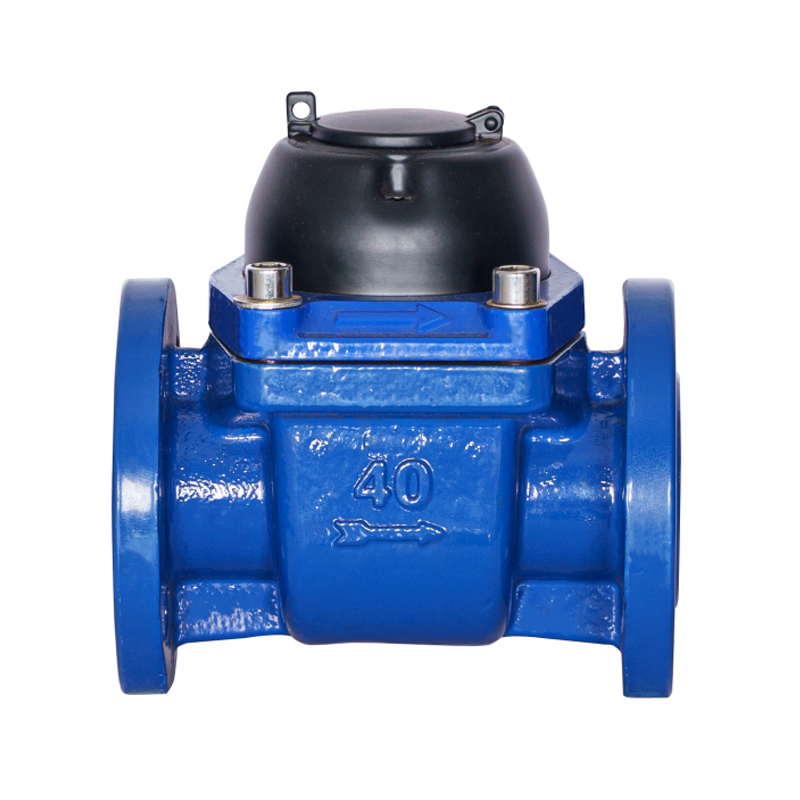
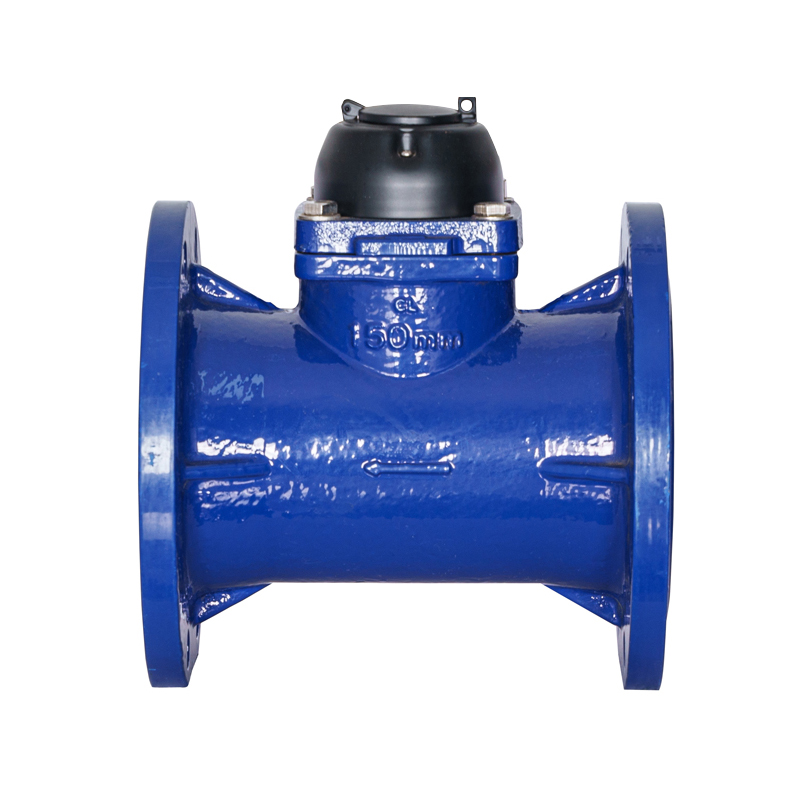
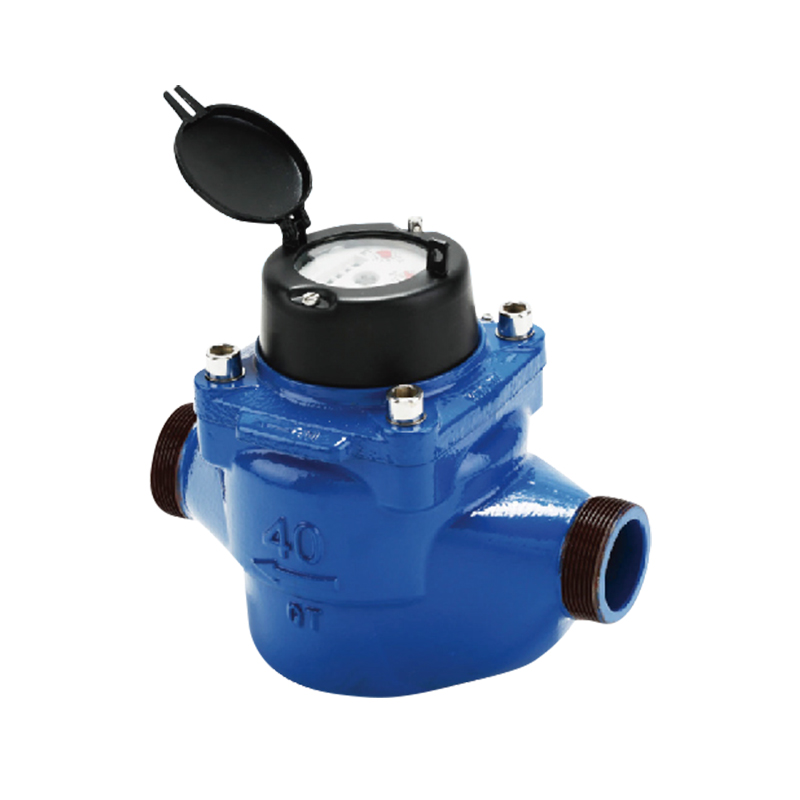
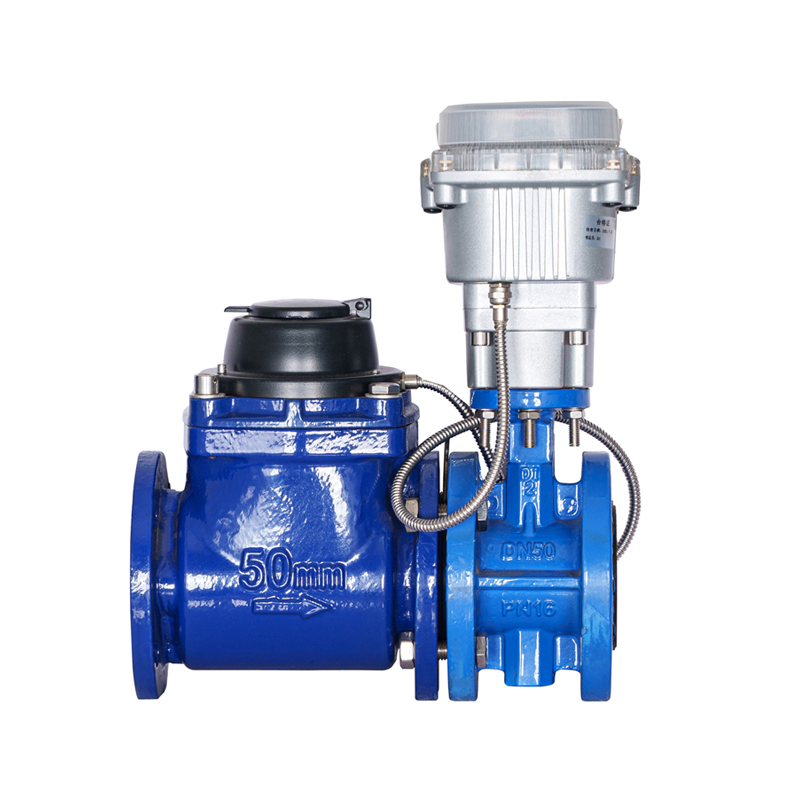
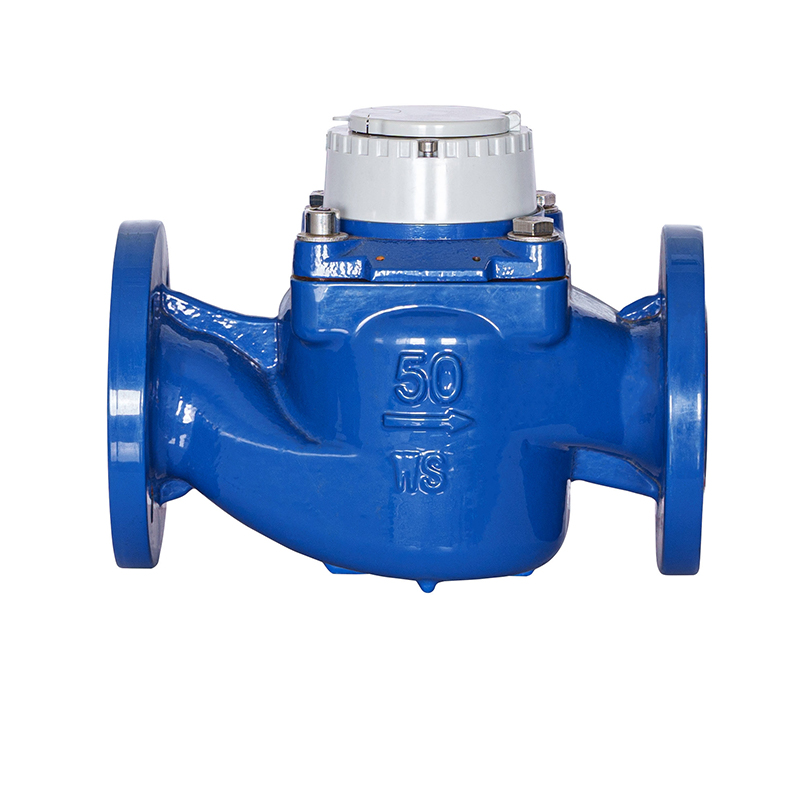
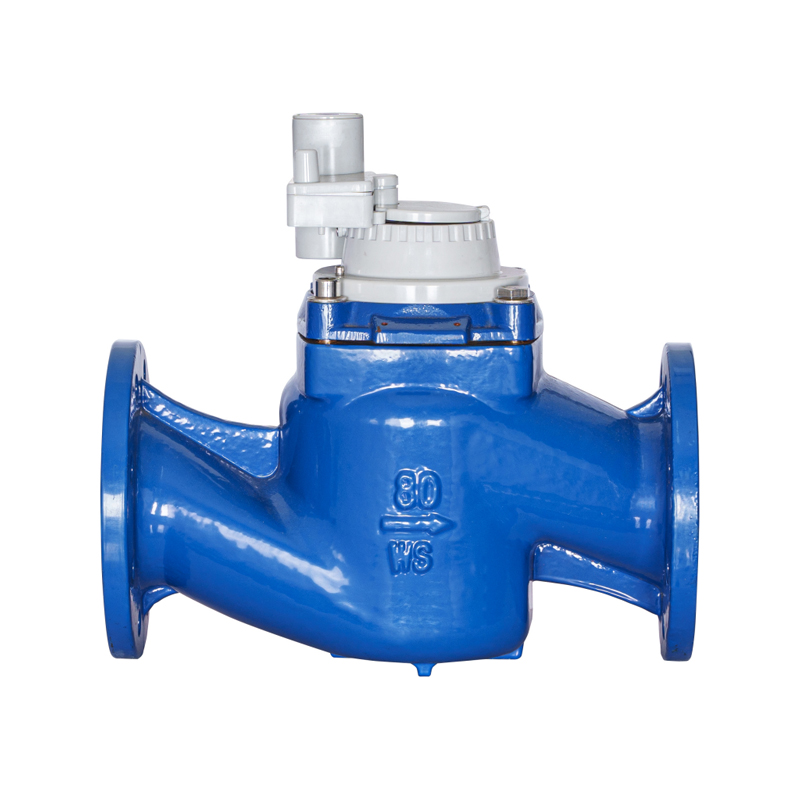
The WI irrigation water meter is a crucial device for monitoring water usage in irrigation systems. It provides accurate readings of the amount of water distributed across fields or landscapes, helping with resource management and cost efficiency. However, for a water meter to function effectively and last over time, it must withstand various environmental factors, such as exposure to different water qualities, weather conditions, and the potential for corrosion. A key consideration for any water meter, including the WI irrigation water meter, is whether it is designed with corrosion-resistant and rust-proof features, making it suitable for use in diverse water conditions.
The Importance of Corrosion Resistance in Irrigation Water Meters
Corrosion is one of the most significant factors that can affect the performance and lifespan of any equipment exposed to water. When water meters are installed in irrigation systems, they are exposed to moisture, chemicals, and other environmental factors that can cause deterioration over time. Corrosion can lead to malfunctioning meters, inaccurate readings, and even complete failure of the device, resulting in unnecessary expenses for replacement and maintenance. To address this issue, manufacturers design irrigation water meters with corrosion-resistant materials and coatings that help protect the meter from the damaging effects of water and environmental exposure.
Understanding the Material Composition of WI Irrigation Water Meters
The material used in the construction of a water meter plays a crucial role in its resistance to corrosion and rust. WI irrigation water meters are typically made from materials such as brass, stainless steel, or plastic composites that are known for their durability and resistance to corrosion. Brass, for example, is commonly used in many water meter models because it has a natural resistance to corrosion and can withstand exposure to both fresh and saline water. Stainless steel, another material commonly used in high-quality water meters, offers excellent resistance to rust and corrosion, particularly in environments with harsh chemical exposure.
In addition to these core materials, WI irrigation water meters often include specialized coatings or treatments that further enhance their resistance to corrosion. These coatings can prevent water from coming into direct contact with the metal components, thereby reducing the risk of rust formation. For instance, some water meters are coated with epoxy or other protective layers that create a barrier between the meter’s internal components and the potentially corrosive water. Such protective features are critical for ensuring the longevity and reliability of the water meter, especially in areas with challenging water conditions.
Factors Affecting Corrosion and Rust in Water Meters
The quality of the water being measured by the meter is one of the primary factors that influence the rate of corrosion or rust formation. Different water sources contain varying levels of dissolved minerals, salts, and chemicals, which can accelerate the corrosion process. For example, water with a high salinity content, such as seawater or brine, is known to cause faster corrosion of metal components, including the internal parts of water meters. Similarly, water that is highly acidic or alkaline can also lead to the deterioration of materials that are not specifically designed to withstand such conditions.
WI irrigation water meters are designed to operate efficiently across a wide range of water qualities, from fresh water to water with higher mineral or chemical content. To achieve this, the materials used in their construction must be carefully selected to ensure they can handle the potential corrosive effects of different water types. Whether the water is soft or hard, salty or neutral, the materials used in WI water meters must be able to withstand prolonged exposure to these elements without compromising their performance.
Durability in High-Salinity and Hard Water Conditions
One of the most challenging water qualities for irrigation systems is water that contains high levels of salt or minerals. Hard water, which contains elevated concentrations of calcium and magnesium, can lead to the buildup of scale inside the water meter, potentially causing blockages or inaccurate readings. Similarly, salty or brackish water can accelerate corrosion, particularly on metal components, which could lead to rust or degradation of the meter over time.
To address these challenges, WI irrigation water meters are often constructed with materials and coatings that are specifically designed to resist both mineral buildup and the corrosive effects of salt. For instance, stainless steel and brass components are highly resistant to corrosion caused by exposure to salty or hard water. In addition, some models are equipped with anti-scaling features or self-cleaning mechanisms that help reduce the accumulation of minerals inside the meter, ensuring that it continues to function properly even in challenging water conditions. The incorporation of such features is critical in extending the life of the meter, especially in areas where saltwater or hard water is commonly used for irrigation.
Protection Against Rust Formation
Rust is a common issue for metal water meters, particularly those that are exposed to moisture over time. While corrosion and rust are related processes, rust typically refers to the oxidation of iron-based materials, which results in the characteristic red-brown stain. Rust can cause irreversible damage to water meters, leading to reduced performance, leakage, and even complete failure. To prevent rust formation, WI irrigation water meters incorporate various design features that protect against oxidation.
As mentioned earlier, the use of materials such as stainless steel and brass significantly reduces the likelihood of rust formation. These metals do not contain iron, which is the primary element that oxidizes to form rust. Additionally, some water meters are coated with rust-resistant layers, such as zinc or epoxy, which act as a physical barrier that prevents water from coming into contact with the metal surface. These coatings are designed to wear down gradually over time without compromising the overall integrity of the meter. Regular maintenance, such as cleaning and inspecting the water meter for signs of rust, is also important for preserving its performance and preventing rust buildup.
Design Features for Harsh Environments
In addition to selecting corrosion-resistant materials, manufacturers of WI irrigation water meters also design their products to withstand the physical stresses of harsh environments. Water meters used in irrigation systems are often installed in areas with fluctuating temperatures, exposure to the elements, and potential physical impacts. To ensure durability, WI water meters are often built with robust casings that provide protection against physical damage, such as impacts, UV radiation, and freezing temperatures.
The casings of these water meters are typically made from durable, corrosion-resistant plastics or metal alloys, which offer protection without adding unnecessary weight. The design also accounts for ease of installation and maintenance, with features such as weatherproof seals and gaskets that prevent water ingress into the internal components. These additional design features contribute to the overall resilience of the water meter, ensuring it continues to function reliably over an extended period, even in challenging irrigation environments.
Advantages of Using a Corrosion-Resistant Irrigation Water Meter
Using a corrosion-resistant irrigation water meter offers several advantages, particularly in regions with water sources that have a high potential for corrosion or rust. One of the main benefits is the extended lifespan of the meter. By preventing the degradation of internal components, corrosion-resistant water meters reduce the need for frequent replacements or repairs, which can be costly and disruptive to irrigation operations. This is especially important for large-scale agricultural operations where maintaining accurate water measurement is crucial for efficiency and cost management.
Another advantage is the improved accuracy and reliability of water measurement. A meter that is free from rust or corrosion is more likely to deliver consistent and accurate readings over time, helping irrigation managers optimize water usage and avoid overuse or underuse of resources. Accurate water measurement also plays a critical role in meeting regulatory requirements and ensuring sustainable water management practices.
Maintaining Corrosion Resistance and Longevity
While WI irrigation water meters are designed to be corrosion-resistant, proper maintenance is still essential to ensure that the meter remains in optimal working condition. Regular inspection and cleaning of the meter can help prevent the accumulation of dirt, debris, or mineral buildup that may interfere with its performance. Additionally, checking for any signs of wear, damage, or corrosion can help detect potential issues before they become significant problems.
In areas with particularly harsh water conditions, such as high salinity or mineral content, additional protective measures, such as the use of water softeners or anti-scaling agents, may be necessary to further reduce the risk of corrosion or rust. Monitoring the water quality regularly and ensuring that the irrigation system is functioning properly can also contribute to the longevity of the water meter and prevent unnecessary damage.