
 عربى
عربى

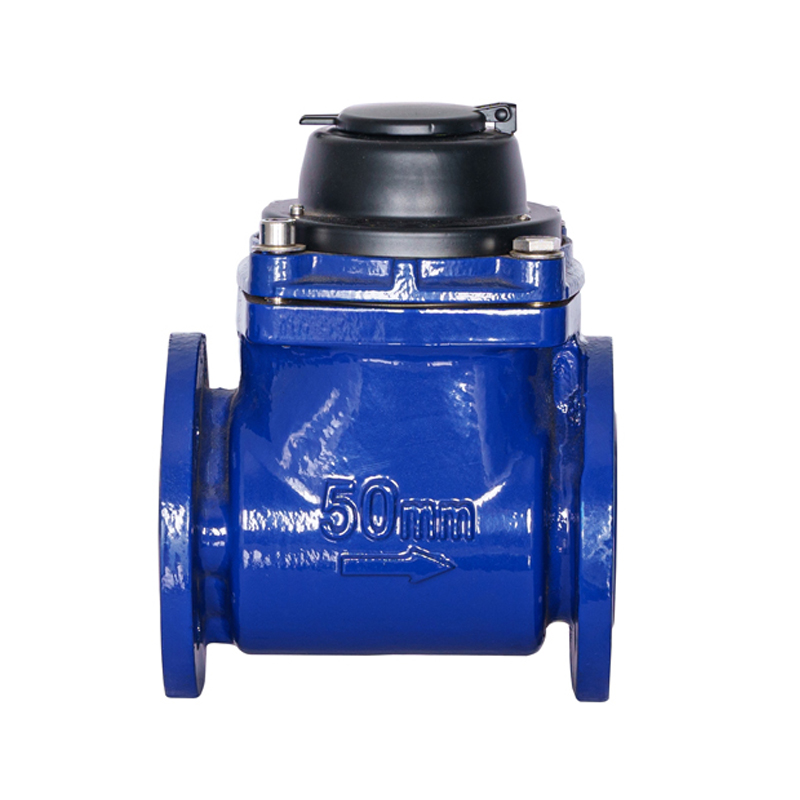
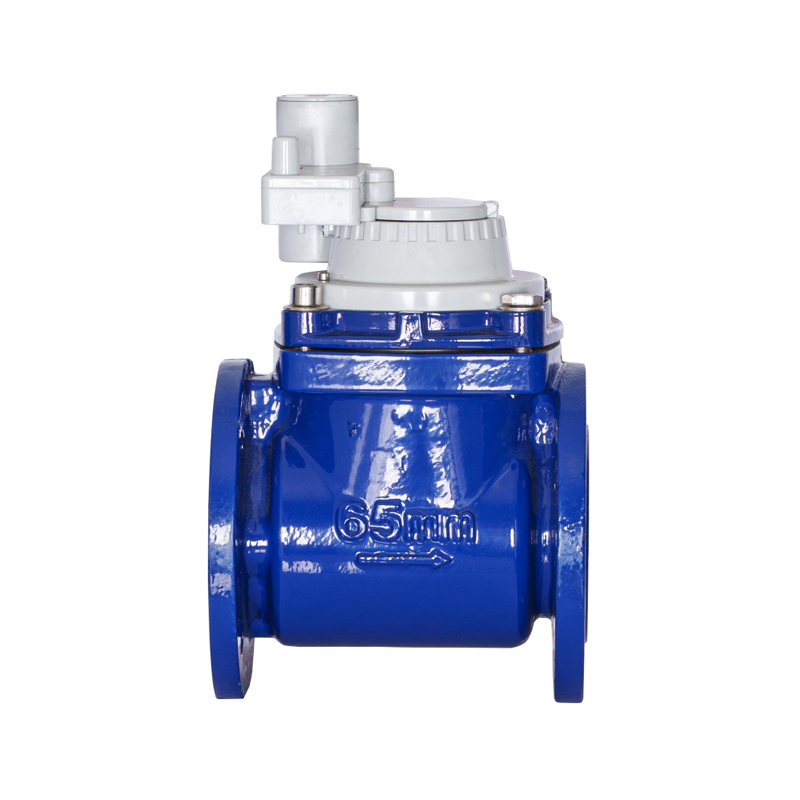
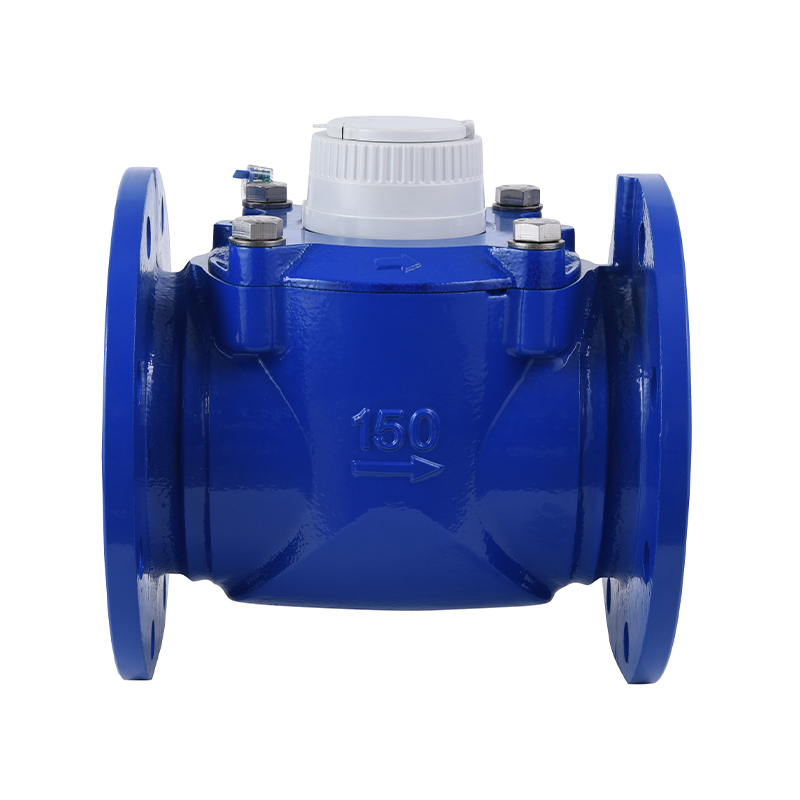
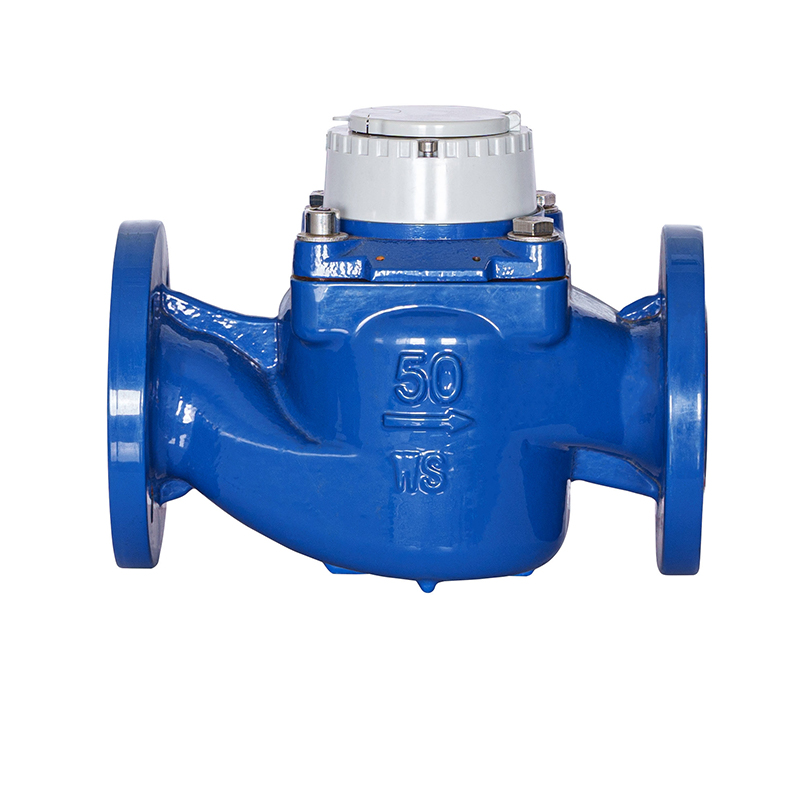
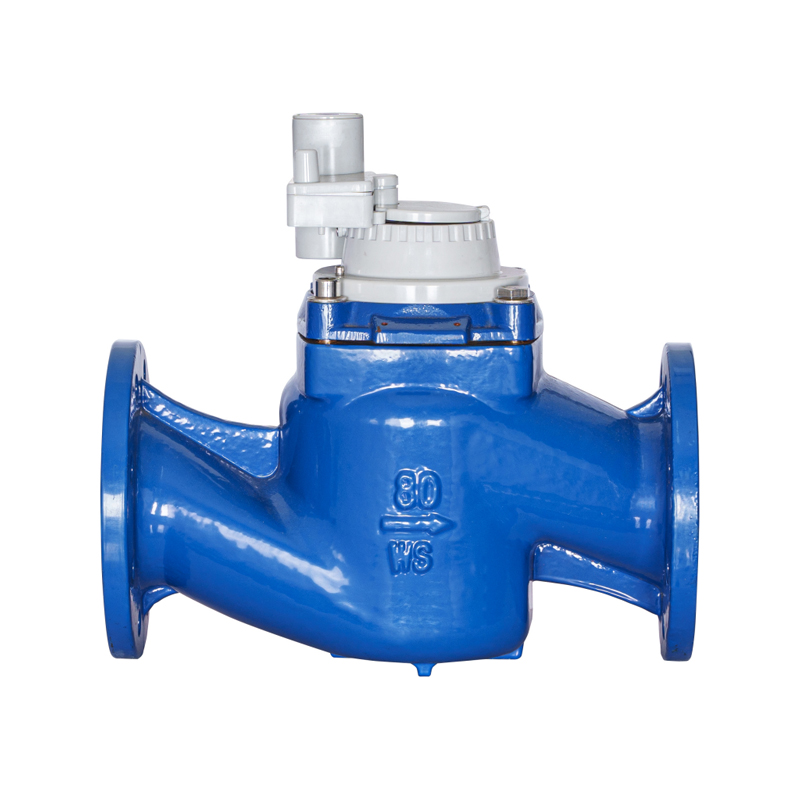
A WPH horizontal spiral wing water meter measures flow using a helical impeller mounted on a horizontal axis, positioned in line with the pipe rather than perpendicular to it, which gives it better accuracy at low flow rates than vertical single-jet designs and makes it a common choice for residential and light commercial cold water metering. The horizontal spiral wing configuration reduces turbulence-related measurement error, particularly in the low-flow range where many other meter types lose accuracy.
How a Horizontal Spiral Wing Water Meter Works
Inside a WPH horizontal spiral wing water meter, water enters the chamber and drives a helical-shaped impeller that rotates around an axis running parallel to the direction of flow. This spiral wing shape is designed to catch water across a wider surface area than a flat vane, which allows the impeller to start turning at lower flow rates than many alternative designs. The rotation is transferred through a magnetic drive coupling to a register that displays cumulative water usage, keeping the measuring mechanism sealed away from the register to prevent fogging or mineral buildup from affecting the readout.
Horizontal vs Vertical Spiral Wing Water Meters
Spiral wing water meters come in both horizontal and vertical mounting configurations, and the orientation of the impeller axis relative to water flow has a meaningful effect on both accuracy and installation flexibility.
Horizontal Spiral Wing (WPH)
- Impeller axis runs parallel to water flow direction
- Generally better accuracy at low flow rates
- Lower pressure loss across the meter body
- Must be installed in a horizontal pipe run
Vertical Spiral Wing (WPV)
- Impeller axis runs perpendicular to water flow
- Can be installed in vertical pipe runs
- Slightly more tolerant of installation orientation
- Can show reduced accuracy at very low flow compared to horizontal designs
Accuracy Classes and What They Mean in Practice
Water meter accuracy is typically classified according to international standards such as ISO 4064, which define permissible error margins across different flow rate zones. A WPH horizontal spiral wing water meter's accuracy class directly affects how reliably it captures both minimal household drips and full-open flow during peak usage.
| Accuracy Class | Low Flow Error Tolerance | Typical Application |
| Class A | Wider tolerance at low flow | Basic residential metering, cost-sensitive projects |
| Class B | Improved low-flow sensitivity, roughly ±2% at nominal flow | Standard residential and light commercial use |
| Class C | Highest low-flow sensitivity among mechanical meters | Applications requiring precise leak detection and billing accuracy |
Why Low-Flow Sensitivity Matters More Than Buyers Expect
Most water waste in residential and light commercial settings doesn't come from a burst pipe — it comes from small, continuous leaks like a dripping faucet or a slowly failing toilet flapper, both of which register at very low flow rates. A meter that can't accurately register these low flows effectively hides the leak from the billing record entirely, meaning the water utility or property owner loses revenue without any indication in the meter reading that consumption has increased.
Nominal Diameter Sizing and Flow Range
Selecting the correct nominal diameter (DN size) for a WPH horizontal spiral wing water meter is essential for both accuracy and pressure loss management. An oversized meter for the actual flow will underregister at typical household usage rates, while an undersized meter creates excessive pressure loss and premature wear.
| Nominal Diameter | Typical Flow Range | Common Application |
| DN15 | 0.03–3 m³/h | Single residential units |
| DN20 | 0.05–5 m³/h | Larger residential or small commercial units |
| DN25 | 0.07–7 m³/h | Multi-unit residential or light commercial |
| DN40–DN50 | 0.15–15 m³/h | Larger commercial or multi-family buildings |
Material Construction and Water Compatibility
The body material of a WPH horizontal spiral wing water meter affects both longevity and suitability for different water quality conditions, particularly in regions with harder or more mineral-rich water supplies.
- Bronze or brass body: Common in standard residential meters, offering good corrosion resistance for typical municipal cold water supply.
- Cast iron body with epoxy coating: Used in larger meters where cost efficiency matters and the coating provides adequate protection against internal corrosion.
- Stainless steel components: Found in premium models for regions with more aggressive water chemistry, extending service life in harder water conditions.
- Dry-dial vs wet-dial register design: Dry-dial registers keep the readout completely sealed from water contact, preventing fogging and mineral deposit buildup on the display glass over years of service.
Installation Requirements for Reliable Readings
Proper installation has a direct effect on the long-term accuracy of any WPH horizontal spiral wing water meter, since the design's low-flow sensitivity advantage depends on stable, non-turbulent flow reaching the impeller.
- Install the meter strictly in a horizontal pipe run, since the design's impeller orientation is engineered for horizontal flow rather than vertical or angled installation.
- Maintain manufacturer-recommended straight pipe length upstream and downstream of the meter to allow flow to stabilize before reaching the impeller chamber.
- Ensure the pipe is fully filled with water during operation, since partial flow or air pockets can cause inaccurate low-flow readings.
- Install strainers upstream where sediment or debris in the water supply is a known issue, protecting the impeller mechanism from premature wear.
What High-Value Buyers Look for Beyond Basic Accuracy
Utilities, property management companies, and bulk procurement buyers evaluating WPH horizontal spiral wing water meters for large-scale deployment typically weigh several additional factors beyond the base accuracy specification.
AMR/AMI Compatibility
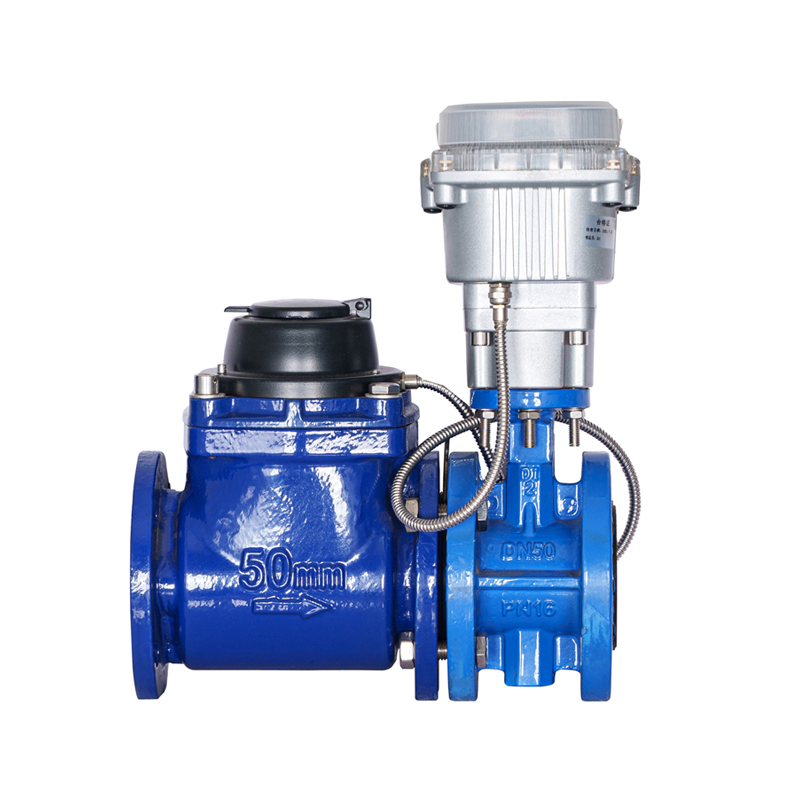
Meters compatible with automatic meter reading or advanced metering infrastructure systems reduce manual reading labor costs significantly for utilities managing large meter fleets.
Certification and Type Approval
Meters carrying recognized international certifications (such as ISO 4064 or OIML R49 compliance) simplify regulatory approval for utility deployment across different jurisdictions.
Extended Warranty Terms
Longer warranty coverage on the measuring mechanism specifically, separate from the housing warranty, reduces long-term replacement costs across a large deployed meter fleet.
Batch Testing and Calibration Reports
Suppliers who provide calibration data for each production batch give bulk buyers confidence that accuracy claims hold consistently across thousands of deployed units, not just a single certified sample.
Maintenance Practices That Preserve Long-Term Accuracy
Even a well-installed WPH horizontal spiral wing water meter benefits from periodic attention, particularly in water supplies with higher mineral or sediment content.
| Maintenance Task | Recommended Frequency |
| Visual inspection for leaks at fittings | Annually |
| Strainer cleaning, if installed upstream | Every 6–12 months depending on water quality |
| Accuracy recalibration or replacement | Every 10–15 years, or per local regulatory requirements |
| Register glass inspection for fogging | Periodically, more frequently in humid installation environments |
Frequently Asked Questions
What is a WPH horizontal spiral wing water meter used for?
It's used to measure cold water flow in residential and light commercial applications, using a helical impeller mounted parallel to the flow direction to achieve accurate readings even at low flow rates.
How is a horizontal spiral wing meter different from a vertical one?
A horizontal spiral wing meter's impeller axis runs parallel to water flow and must be installed in a horizontal pipe run, generally offering better low-flow accuracy, while vertical designs can be installed in vertical pipe runs but may show reduced sensitivity at very low flow rates.
What accuracy class should I choose for a WPH horizontal spiral wing water meter?
Class B is a common standard choice for residential and light commercial metering, while Class C offers the highest low-flow sensitivity for applications where precise leak detection and billing accuracy are priorities.
Can a WPH horizontal spiral wing water meter be installed vertically?
No, this design is engineered specifically for horizontal pipe installation, since the impeller orientation depends on horizontal flow direction to function accurately.
How often should a horizontal spiral wing water meter be replaced?
Most are recalibrated or replaced every 10 to 15 years, though local regulatory requirements and water quality conditions can shorten or extend this interval.