
 عربى
عربى

Introduction to the WS Vertical Spiral Wing Water Meter
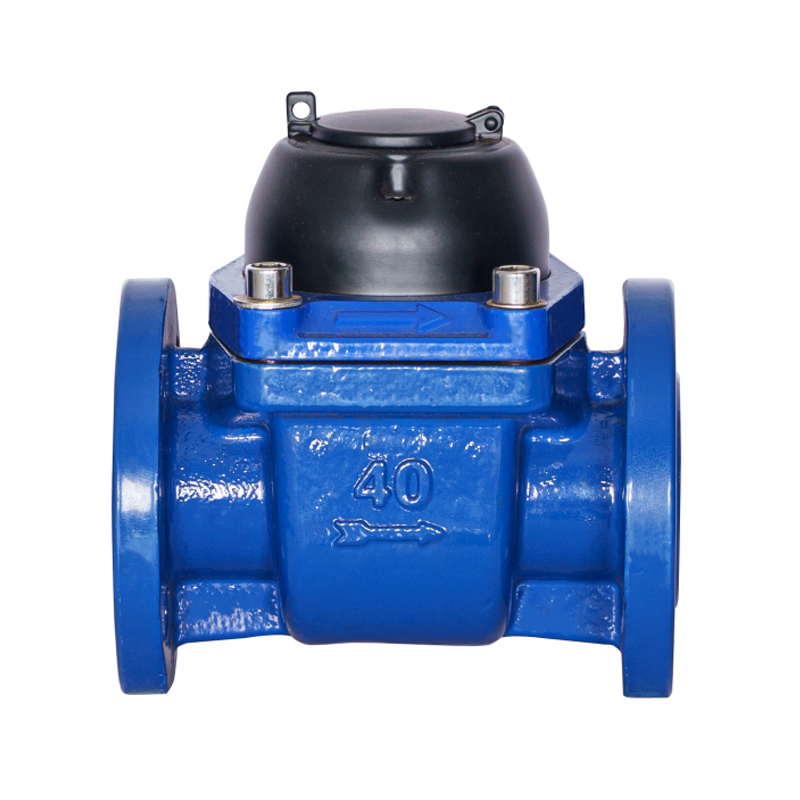
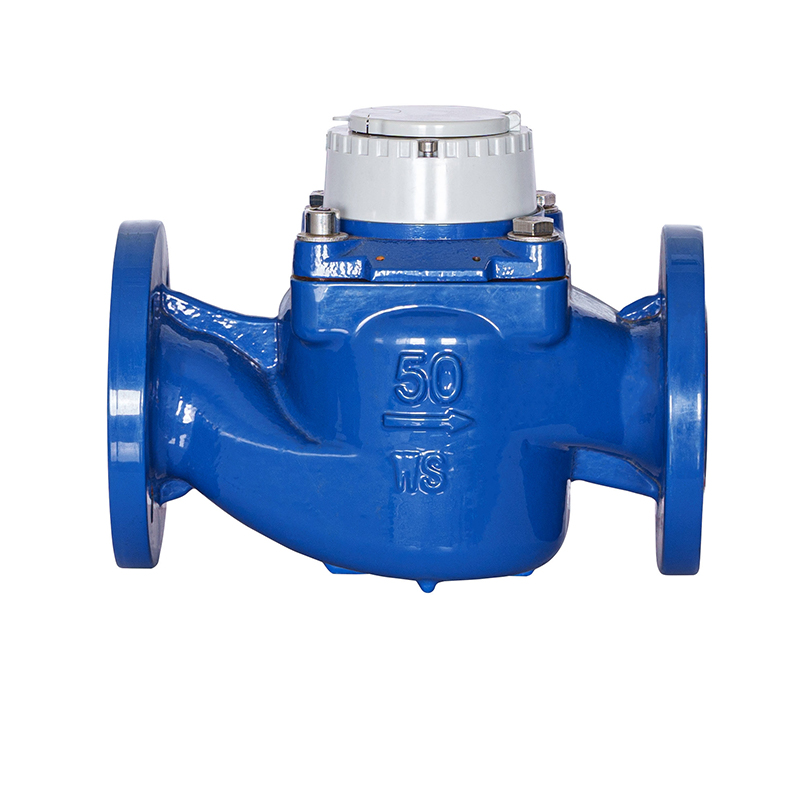
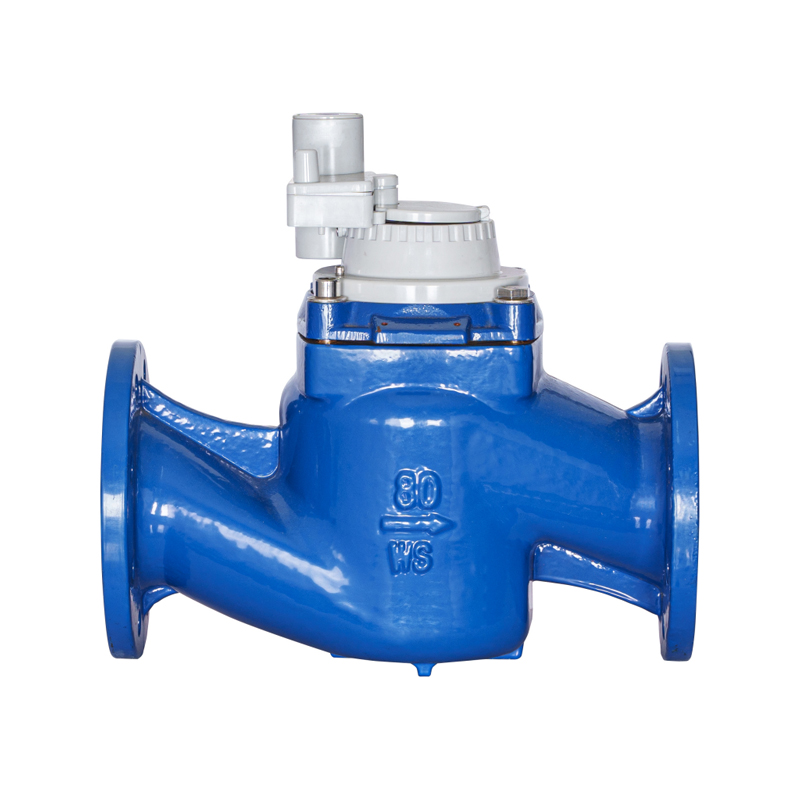
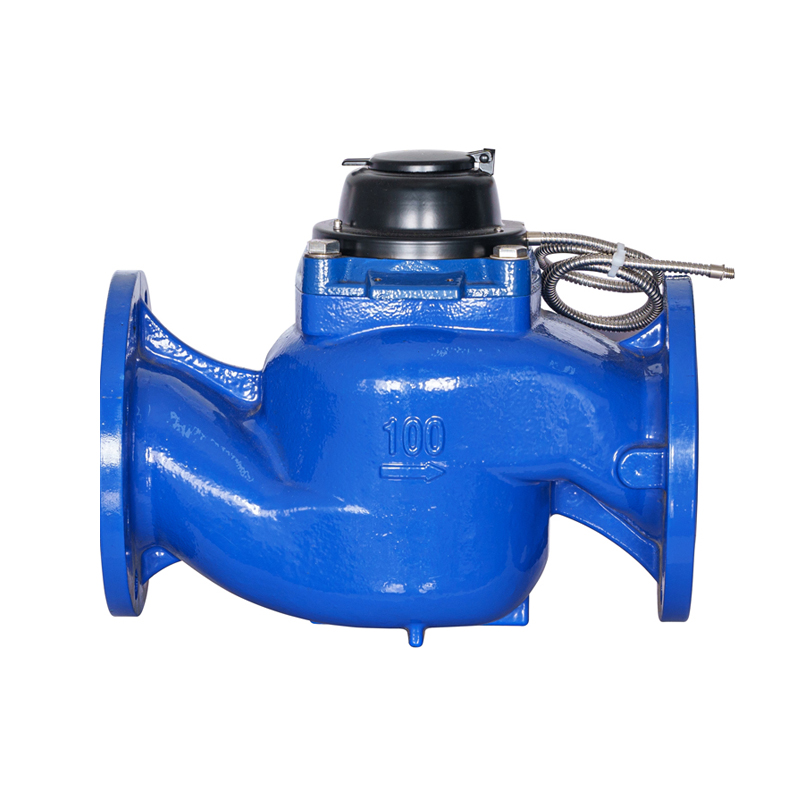
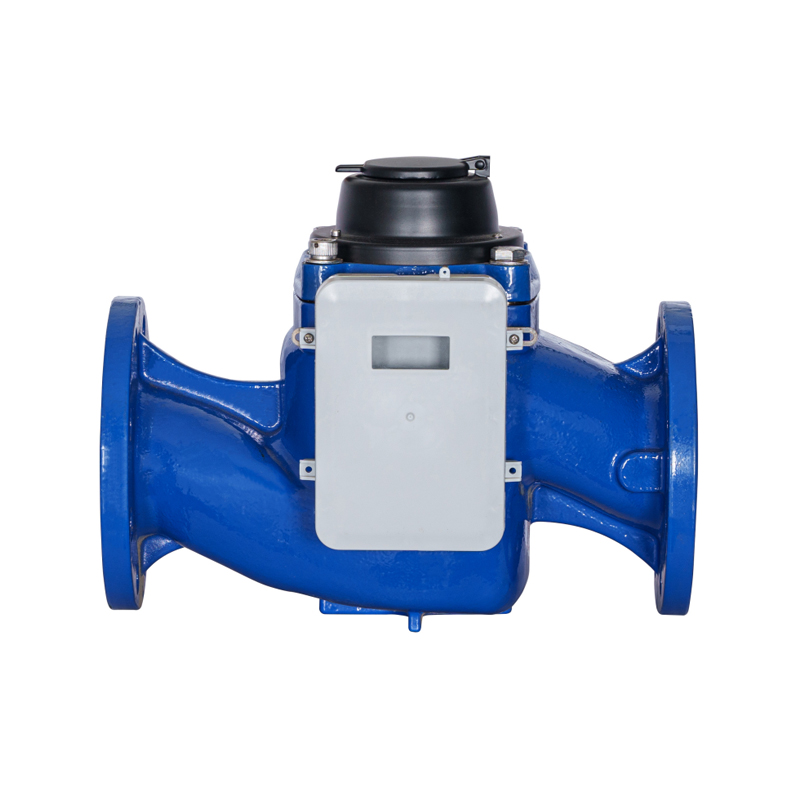
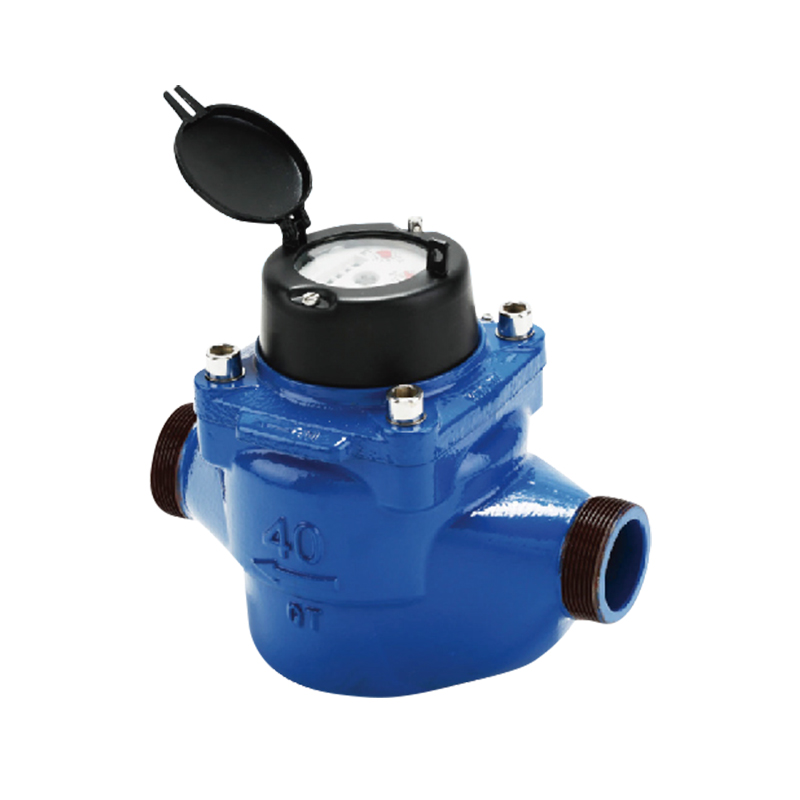
The WS vertical spiral wing water meter is a type of mechanical water meter used to measure the flow of water in residential, commercial, and industrial settings. It is designed with a vertical spiral wing impeller that rotates as water flows through the meter, allowing it to record the volume of water passing through. These meters are widely used due to their accuracy, durability, and ability to function under various flow conditions. However, like all mechanical measuring instruments, it is essential to ensure that the WS vertical spiral wing water meter maintains its accuracy over the long term.
Understanding the Mechanism of the WS Vertical Spiral Wing Water Meter
The WS vertical spiral wing water meter works by using an impeller with spiral wings that rotate when water flows through the meter. As the water moves, it causes the impeller to spin, and the number of rotations is recorded and used to calculate the volume of water passed. The rotation of the impeller is connected to a register, which displays the measured amount of water. The accuracy of the meter is largely dependent on the proper functioning of the impeller and its ability to rotate smoothly and reliably in response to water flow. Any disruptions in the movement of the impeller or issues with the register can lead to measurement errors.
Factors Affecting the Accuracy of the Water Meter
Several factors can influence the accuracy of a WS vertical spiral wing water meter over time. These include the condition of the impeller, the water quality, the installation environment, and wear and tear on the mechanical components. The most common issues that can affect accuracy include dirt, sediment, or debris buildup inside the meter, wear of the impeller or gears, and issues with the calibration of the register. Environmental factors such as temperature, pressure, and the presence of chemicals or minerals in the water supply can also affect the performance of the meter. Understanding these factors is crucial for maintaining long-term accuracy and ensuring reliable water measurement.
Regular Maintenance to Ensure Long-Term Accuracy
To ensure the long-term accuracy of a WS vertical spiral wing water meter, regular maintenance is necessary. Routine inspections and cleaning can help prevent the buildup of debris, mineral deposits, or other contaminants that may interfere with the operation of the meter. The impeller should be checked for signs of wear, corrosion, or damage, as these issues can affect its ability to rotate smoothly. In addition to the impeller, the gears and register should also be inspected regularly to ensure they are functioning correctly. If any components are found to be damaged or worn, they should be replaced promptly to prevent inaccurate readings. The frequency of maintenance will depend on factors such as the water quality, the environment, and the meter’s usage, but a general recommendation is to perform maintenance at least once every year or as recommended by the manufacturer.
Cleaning and De-scaling the Water Meter
Over time, mineral deposits and dirt can accumulate inside the water meter, which can obstruct the impeller’s movement and lead to inaccurate readings. It is important to clean the water meter periodically to prevent such buildup. To clean the meter, the first step is to turn off the water supply and carefully remove the meter from its installation location. The impeller should be removed and inspected for any dirt, debris, or mineral buildup. A soft brush or cloth can be used to gently clean the impeller and other internal components. If mineral deposits have accumulated, a descaling solution should be used to dissolve the buildup. Once cleaned, the meter should be reassembled and tested to ensure it is functioning properly.
Calibrating the Water Meter for Accuracy
Calibration is essential for ensuring the accuracy of any water meter, including the WS vertical spiral wing water meter. Calibration involves comparing the readings of the water meter with a known reference standard to check for discrepancies. If any inaccuracies are found, adjustments can be made to bring the meter back into alignment with the reference standard. Calibration should be performed periodically to account for any changes in the meter’s performance due to wear and tear or environmental conditions. Most water meters can be calibrated manually or with the use of specialized calibration equipment. It is important to follow the manufacturer’s guidelines for calibration and to ensure that the calibration process is carried out by trained professionals to avoid damage to the meter.
Preventing Damage and Wear of the Impeller
The impeller is the heart of the WS vertical spiral wing water meter, and its performance directly impacts the accuracy of the measurements. Over time, the impeller can become worn or damaged due to friction, dirt, or the presence of hard particles in the water supply. To prevent damage to the impeller, it is important to monitor the water quality and, if necessary, install filters or strainers to remove particles before they reach the meter. Additionally, the impeller should be regularly inspected for any signs of wear, such as cracks, deformation, or discoloration. If the impeller is found to be damaged or not functioning correctly, it should be replaced immediately to maintain accurate readings.
Ensuring Proper Installation and Placement of the Water Meter
Proper installation is critical for ensuring the accuracy and longevity of the WS vertical spiral wing water meter. The meter should be installed according to the manufacturer’s instructions, ensuring that it is positioned correctly in the water supply line and that there are no obstructions or sources of turbulence that could affect the flow of water. The meter should be installed in a location where it is protected from extreme temperatures, vibration, and other environmental factors that could cause damage or interfere with its operation. Additionally, the meter should be installed with the correct orientation to ensure that the impeller rotates freely and accurately. Any issues with installation, such as improper alignment or the presence of air pockets in the meter, can lead to inaccurate readings and premature wear of the components.
Monitoring Water Quality to Protect the Meter
The quality of the water passing through the meter can significantly impact its long-term accuracy. Water that contains high levels of minerals, sediment, or chemical contaminants can cause damage to the meter’s internal components and lead to inaccurate readings. To protect the meter and ensure its continued accuracy, it is important to monitor the water quality regularly. In areas where water quality is poor, it may be necessary to install additional filtration or treatment systems to remove impurities before they reach the meter. Regular water quality testing can help identify potential issues early, allowing for prompt maintenance or the installation of protective systems to prevent damage to the meter.
Using Correct Water Pressure to Preserve Accuracy
Water pressure plays an important role in the accuracy of a WS vertical spiral wing water meter. If the water pressure is too high or too low, it can affect the flow rate and the rotation of the impeller, leading to inaccurate readings. It is important to ensure that the water meter is operating within the recommended pressure range specified by the manufacturer. If the water pressure fluctuates significantly or exceeds the meter’s tolerance limits, it can cause wear on the impeller and gears, leading to premature failure. In areas with high or fluctuating water pressure, pressure regulators or surge protectors should be installed to protect the meter and maintain accurate measurements.
Addressing External Factors and Environmental Conditions
External factors, such as temperature fluctuations, humidity, and exposure to chemicals, can all affect the performance and accuracy of the WS vertical spiral wing water meter. Extreme temperatures can cause the materials in the meter to expand or contract, potentially leading to mechanical issues that affect the impeller’s rotation. Similarly, high humidity or exposure to corrosive chemicals can cause damage to the meter’s internal components, such as rusting or degradation of seals and gaskets. It is essential to monitor the environmental conditions around the water meter and take steps to mitigate any potential risks, such as installing insulation to protect against temperature extremes or using corrosion-resistant materials for meters installed in harsh environments.
Testing the Water Meter for Accuracy Regularly
Regular testing of the water meter is crucial for ensuring that it maintains its accuracy over time. Periodic tests should be conducted to compare the meter’s readings with a reference standard, such as a certified calibration device or a known volume of water. If any discrepancies are found, adjustments can be made to the meter, or it can be recalibrated to ensure accurate readings. Regular testing helps identify any issues with the meter before they become significant, reducing the risk of errors in water measurement and ensuring the reliability of the system. A regular testing schedule should be established based on the meter’s usage, environmental conditions, and manufacturer recommendations.
Best Practices for Long-Term Accuracy
Ensuring the long-term accuracy of the WS vertical spiral wing water meter requires a combination of regular maintenance, proper installation, and proactive measures to protect the meter from external factors. By cleaning the meter regularly, calibrating it as needed, and monitoring the water quality and pressure, you can help maintain its performance and prevent inaccuracies over time. Additionally, proper installation and careful attention to environmental conditions will further extend the life of the water meter and ensure it continues to provide reliable readings. By following these best practices, you can ensure that the WS vertical spiral wing water meter remains accurate and efficient for years to come.