
 عربى
عربى

Introduction to WI irrigation water meters
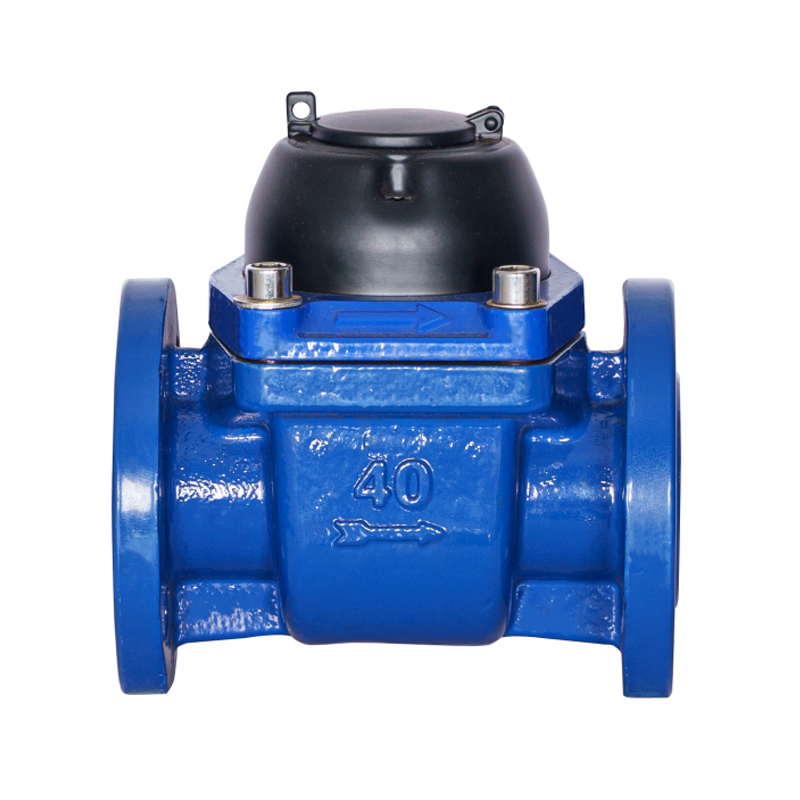
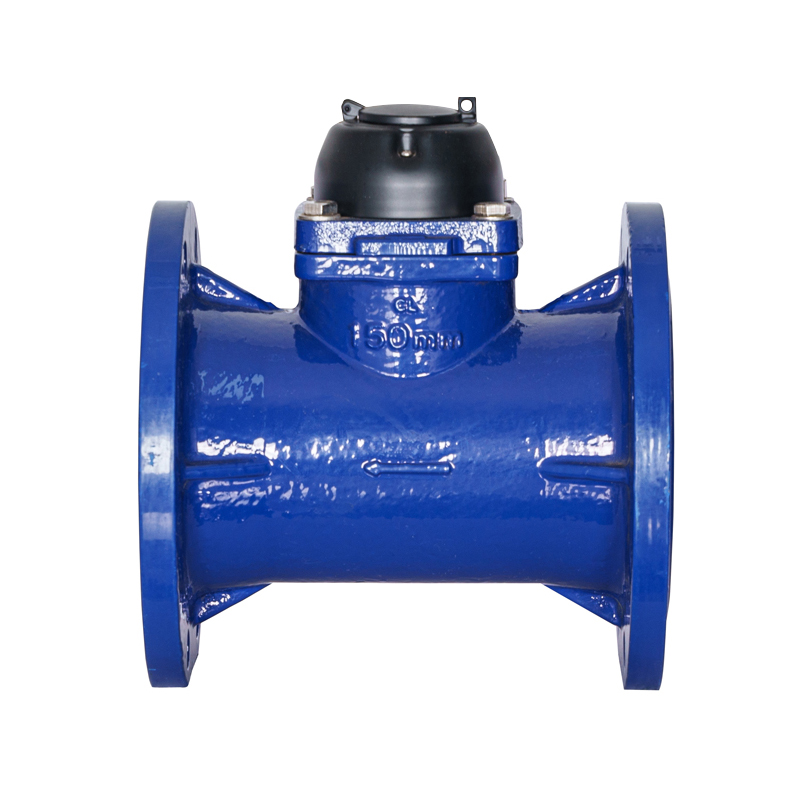
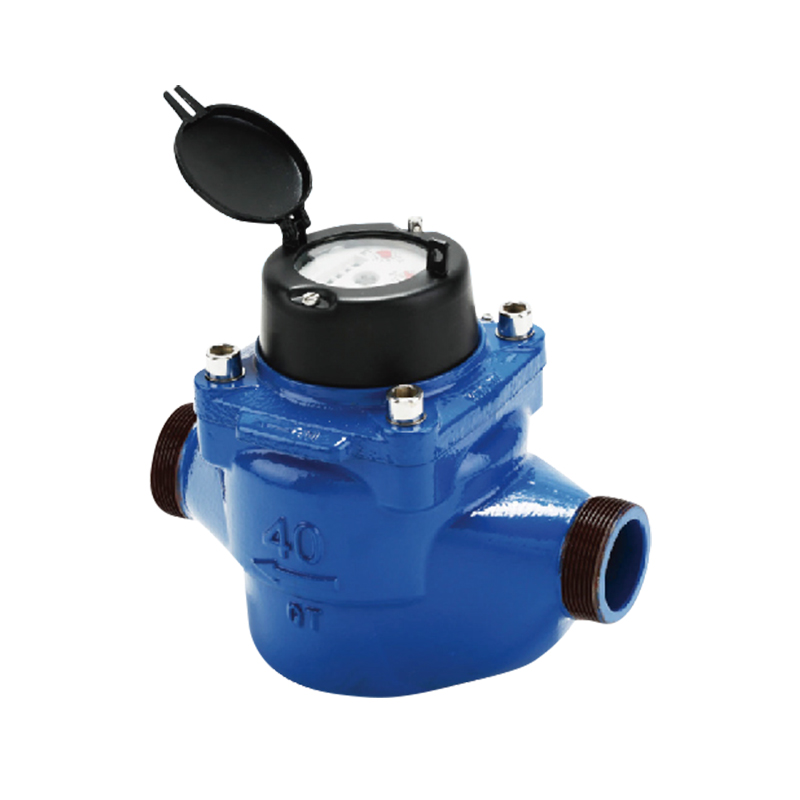
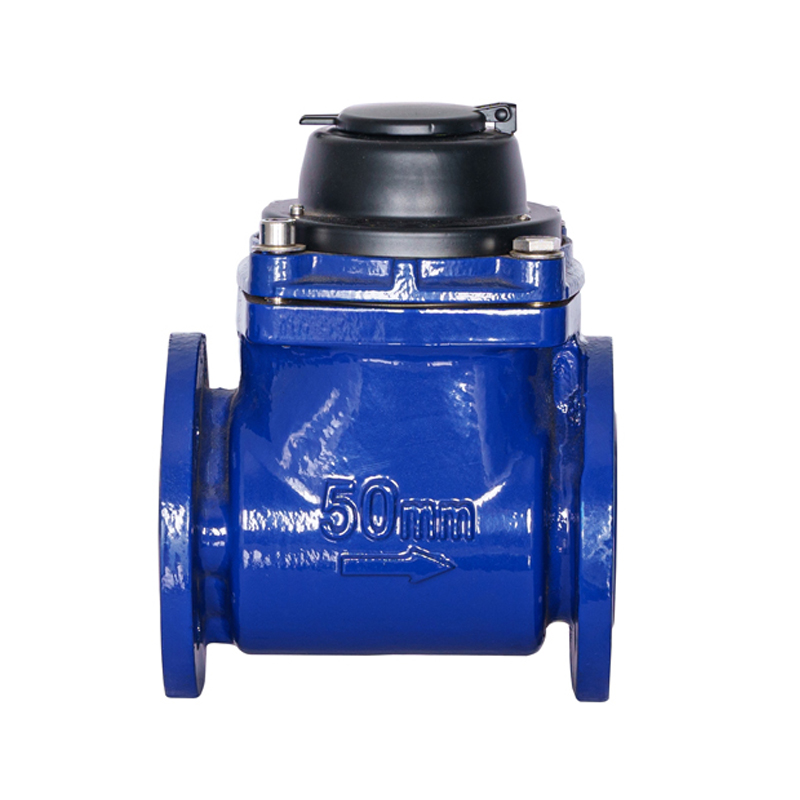
WI irrigation water meters are designed to measure the flow of water in irrigation systems for agricultural, landscape, and municipal applications. Accurate measurement of water usage helps optimize irrigation efficiency and monitor consumption. A critical consideration for these meters is whether they are suitable for long-term outdoor use or underground installation. This depends on factors such as material construction, water resistance, environmental protection, and mechanical durability.
Material construction and environmental durability
The construction materials of WI irrigation water meters influence their suitability for outdoor or underground use. Meters are typically made from corrosion-resistant metals such as brass, stainless steel, or durable polymer composites. These materials resist rust, UV degradation, and chemical exposure from fertilizers or soil contaminants. Choosing meters with robust material construction ensures long-term functionality in outdoor environments where exposure to sun, rain, and fluctuating temperatures is expected.
Sealing and waterproofing features
Waterproofing and sealing are critical for outdoor and underground applications. WI irrigation meters are often equipped with high-quality O-rings, gaskets, and sealed housings to prevent water ingress. Proper sealing protects internal components such as the measuring chamber, rotor, and electronic sensors from moisture and debris. Meters with adequate IP (Ingress Protection) ratings are designed to withstand exposure to dust, water splashes, or full immersion when buried underground, ensuring reliable performance over time.
Temperature and UV resistance
Outdoor irrigation meters are exposed to sunlight, temperature fluctuations, and seasonal weather changes. High UV exposure can degrade polymers or cause color fading, while extreme temperatures may affect internal components or calibration. WI meters designed for outdoor use typically include UV-stabilized materials and temperature-resistant seals. These features allow the meter to maintain measurement accuracy and mechanical integrity across a wide temperature range, ensuring consistent operation in varying climates.
Mechanical durability and pressure tolerance
Long-term performance also depends on mechanical durability. WI irrigation meters are designed to handle typical water pressures in irrigation systems, withstanding sudden surges or flow variations. Internal mechanisms such as rotors, gears, or impellers are constructed from durable materials to resist wear and maintain accurate measurement. Underground installation adds pressure from soil or external loads, so meters intended for burial are reinforced to prevent deformation and protect internal components from mechanical stress.
Compatibility with irrigation systems
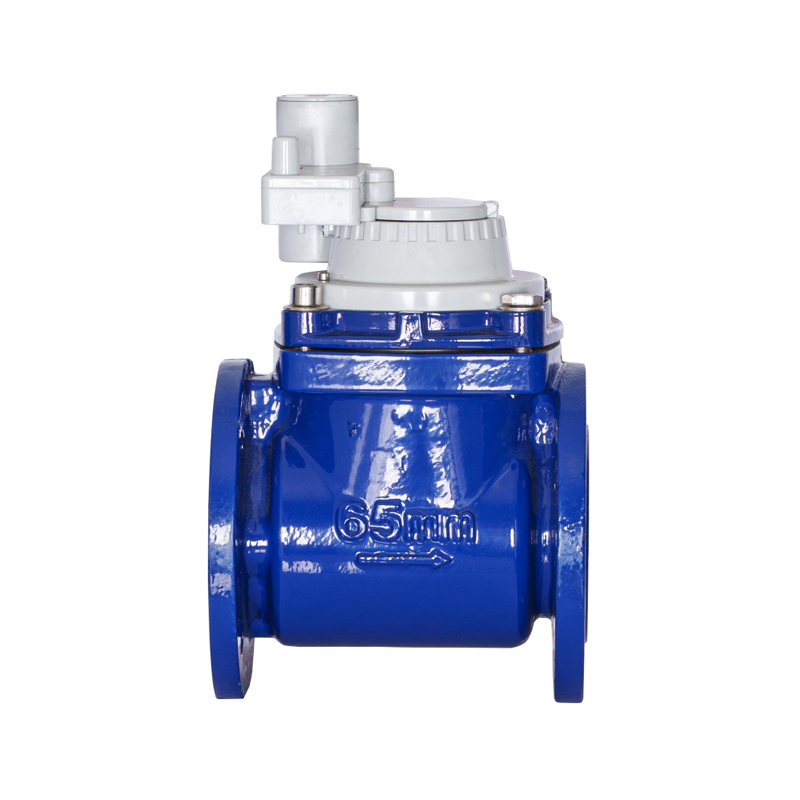
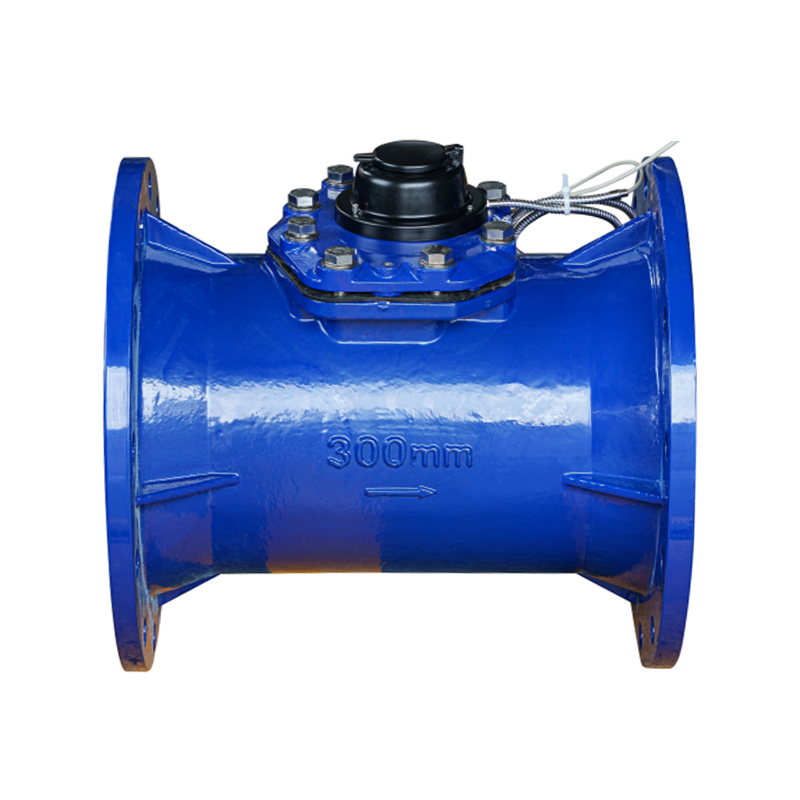
WI irrigation water meters are available in various sizes and configurations to fit different types of irrigation systems, including drip, sprinkler, and pivot systems. Threaded, flanged, or compression connections ensure secure installation with pipes and hoses. Proper alignment and connection prevent leaks, which is particularly important for underground installations where access for maintenance may be limited. Compatibility with standard pipe sizes ensures meters can be integrated without significant modifications to existing systems.
Maintenance and accessibility
Outdoor or underground installation can affect ease of maintenance. Meters designed for long-term use often include features that allow for inspection, cleaning, or replacement of parts without full system disassembly. For underground installations, protective housings, access boxes, or removable covers provide accessibility while shielding the meter from soil, debris, and environmental hazards. Proper maintenance ensures accurate measurement and extends the service life of the meter in challenging conditions.
Accuracy and performance under prolonged use
Long-term exposure to environmental conditions should not compromise measurement accuracy. WI irrigation water meters are engineered to maintain stable performance, with internal mechanisms resistant to wear from water flow and particulates. Prolonged use in outdoor and underground settings requires meters to sustain calibration, resist clogging, and provide reliable readings over years of operation. Regular inspection and adherence to manufacturer maintenance recommendations help maintain performance.
Protection against soil and sediment
Underground installation introduces the risk of soil infiltration, sediment accumulation, and potential clogging. WI irrigation meters often include mesh filters, sediment traps, or protective housings to prevent debris from entering the measuring chamber. These features preserve measurement accuracy and prevent damage to internal components. Ensuring proper installation with sediment protection is crucial for reliable operation in underground or high-silt irrigation environments.
Installation considerations for underground use
Proper installation techniques are essential for underground meters. Placement should account for soil type, compaction, and water table levels. Protective enclosures, concrete pads, or raised access points prevent meter damage from heavy loads, shifting soil, or accidental impact. Correct positioning ensures that flow is directed properly through the meter and that access for future maintenance is preserved. Following manufacturer guidelines during installation maximizes longevity and reduces the risk of operational issues.
Environmental and regulatory compliance
WI irrigation meters intended for outdoor or underground use must comply with environmental and industry standards. These standards include water safety, pressure rating, and material toxicity requirements. Compliance ensures that meters do not leach harmful substances into irrigation water and meet durability expectations. Selection of meters that meet relevant certifications provides assurance for safe, long-term deployment in agricultural or landscaping systems.
| Feature | Importance for Outdoor/Underground Use | Best Practices |
|---|---|---|
| Material construction | Resists corrosion, UV degradation, and soil effects | Choose brass, stainless steel, or durable polymers |
| Sealing and IP rating | Prevents water ingress and protects internal components | Use meters with high-quality O-rings and gaskets |
| Mechanical durability | Maintains measurement accuracy under pressure and load | Ensure meter is rated for system pressure and load conditions |
| Maintenance accessibility | Supports long-term service and inspection | Install protective housings or access boxes for buried meters |
| Environmental resistance | Ensures performance under temperature fluctuations and UV exposure | Select UV-stabilized and temperature-resistant meters |