
 عربى
عربى

Introduction to Vertical Water Meters
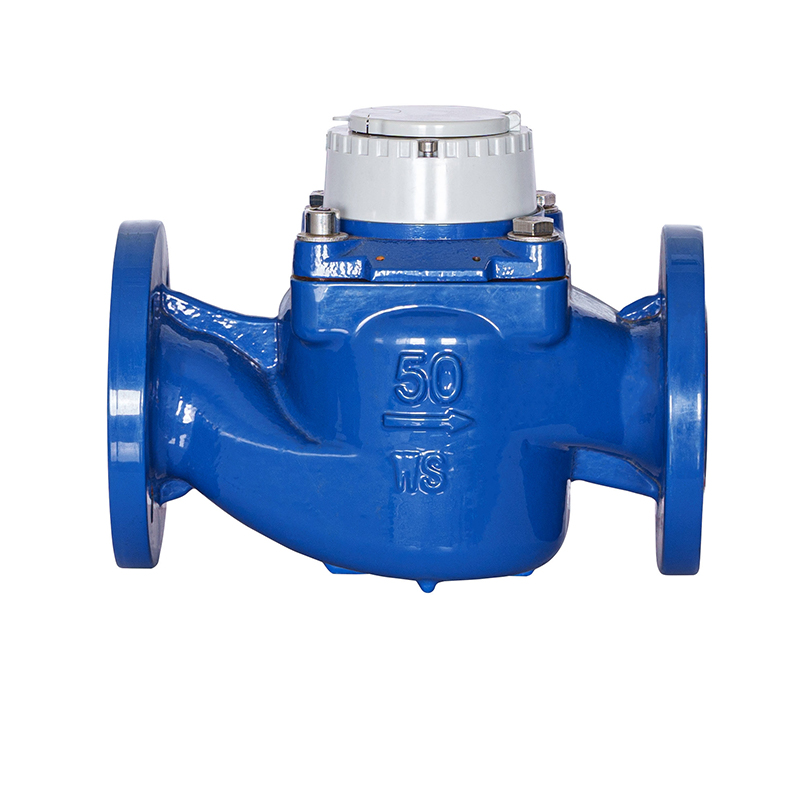
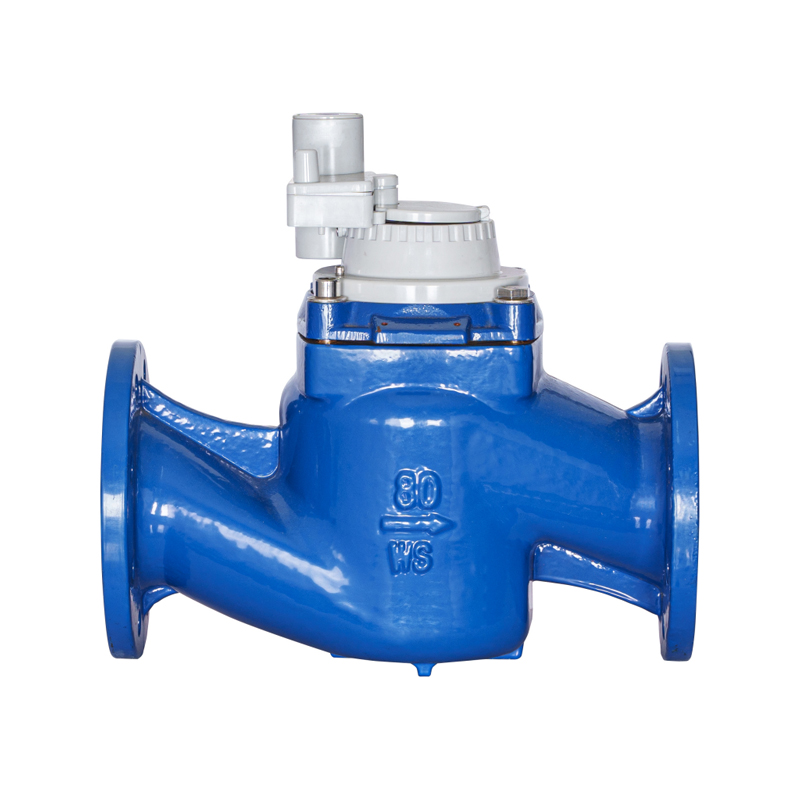
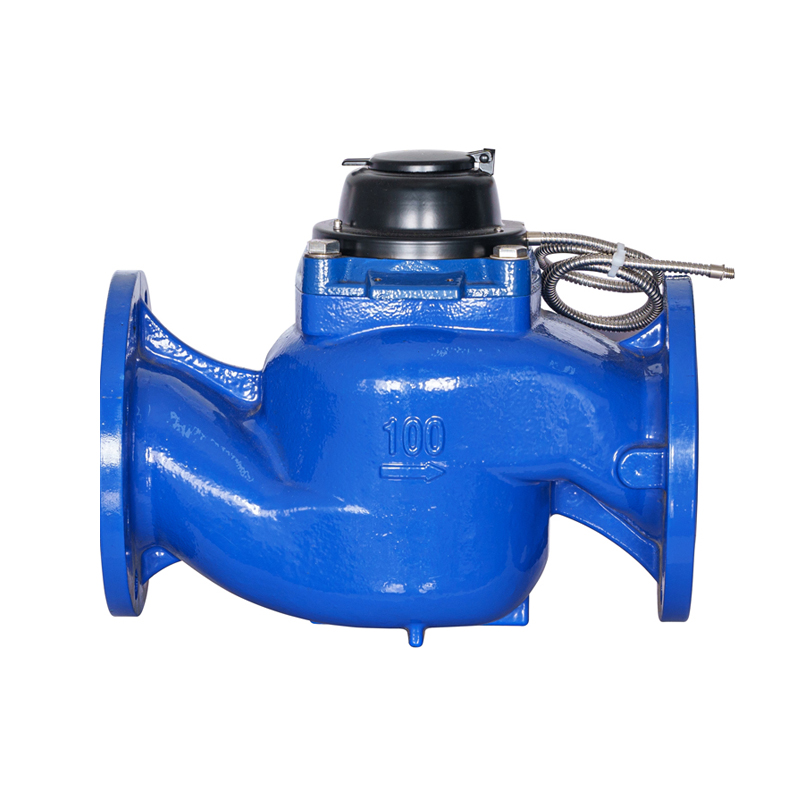
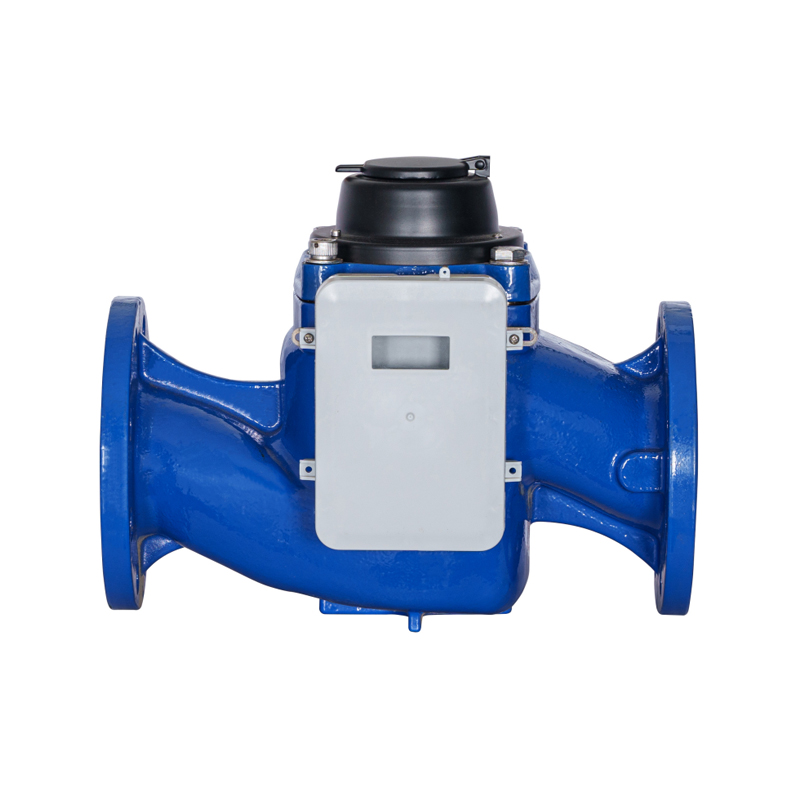
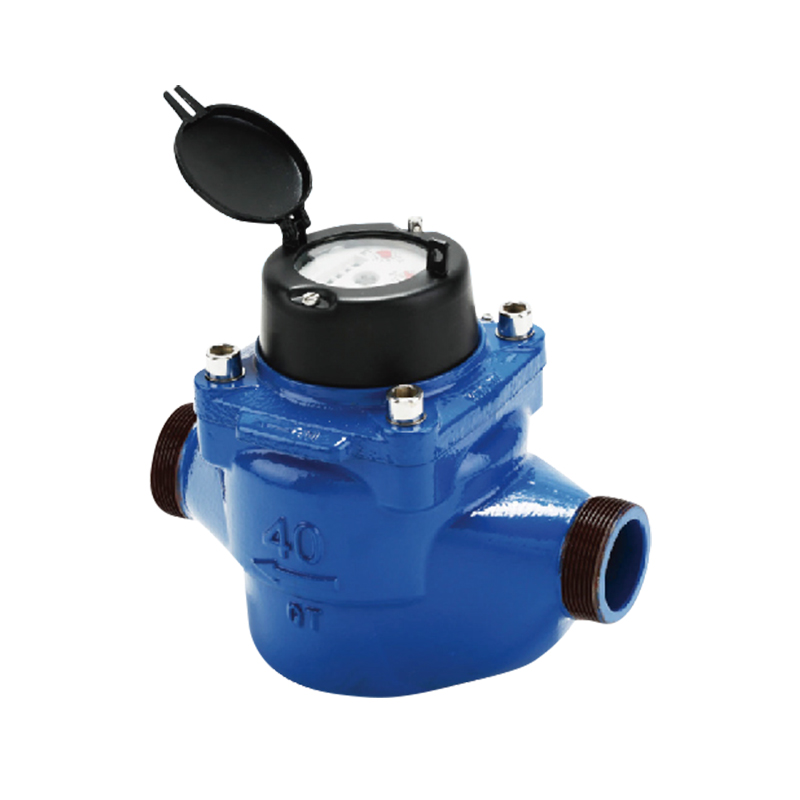
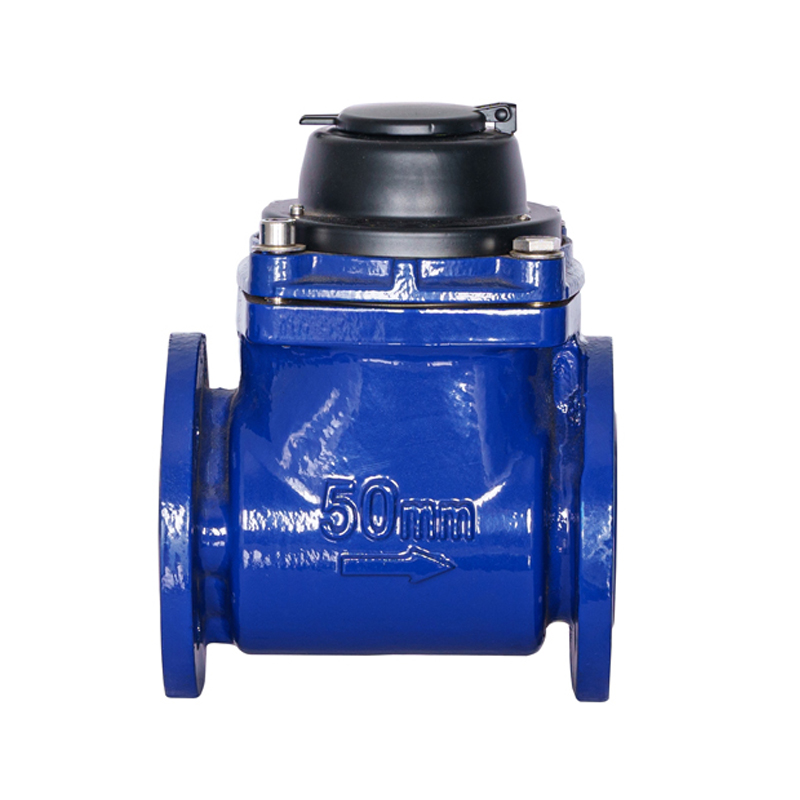
Vertical water meters are specialized instruments used for measuring water consumption in both residential and industrial settings. These meters stand out due to their vertical orientation, which makes them ideal for spaces with limited horizontal room. Unlike their horizontal counterparts, vertical meters are designed to offer accurate readings even in tight or compact areas, ensuring optimal water management. Their design enhances precision, which is crucial for water billing and conservation efforts.
Benefits of Vertical Water Meters
Vertical water meters provide a number of significant advantages, making them the preferred choice in certain applications:
- Space-saving design, ideal for cramped or vertical spaces.
- Accurate readings, especially in industrial and commercial settings where precision is key.
- Durability and long life cycle, reducing the need for frequent replacements.
- Easy to install and maintain, with a straightforward setup process.
How Vertical Water Meters Work
Vertical water meters function on a similar principle to other types of water meters, utilizing a flow-sensing mechanism to track the amount of water passing through the system. However, their vertical design enables them to achieve higher accuracy in space-limited installations. Inside the meter, water flows through a chamber where its flow rate is measured using a turbine or piston mechanism, with the results displayed on a clear digital or mechanical display.
Key Features of Vertical Water Meters
Vertical water meters come with various features that enhance their usability and accuracy. These features include:
- Precision Engineering: Vertical water meters are engineered to provide highly accurate readings even in challenging installation environments.
- Compact Design: The vertical orientation of the meter ensures that it takes up minimal space while still being effective in measuring water consumption.
- Wide Range of Sizes: Vertical meters are available in a variety of sizes to suit different water flow requirements, from small residential units to large commercial systems.
- Corrosion-Resistant Materials: Many models are made from durable, corrosion-resistant materials, ensuring a long lifespan even in harsh environments.
- Easy Maintenance: Vertical water meters are designed for easy access and maintenance, reducing the overall cost of ownership.
Installation Process of Vertical Water Meters
Installing a vertical water meter typically involves the following steps:
- Site Preparation: Ensure the installation location is properly prepared, with enough vertical space for the meter.
- Installation of Plumbing: Connect the vertical water meter to the water line, ensuring that it is aligned properly to avoid leaks.
- Calibration and Testing: After installation, calibrate the meter and conduct tests to ensure that it is functioning correctly and providing accurate readings.
- Final Inspection: Perform a final inspection to confirm that the meter is installed securely and that there are no issues with water flow or meter accuracy.
Applications of Vertical Water Meters
Vertical water meters are used in a wide range of applications, particularly where space is limited or where precise water measurement is crucial:
- Residential Use: Ideal for homes with limited space for water meters.
- Commercial and Industrial Settings: Useful in large buildings, factories, and other facilities that require accurate water consumption tracking.
- Agricultural Irrigation Systems: These meters help monitor water use in farming and agricultural operations.
Maintenance and Troubleshooting
Maintaining a vertical water meter is essential for ensuring its accuracy and longevity. Here are some common maintenance tips:
- Regularly check for leaks or damages in the meter housing.
- Periodically clean the water meter to remove debris and prevent clogging of the internal mechanism.
- Ensure that the meter’s calibration is checked annually or as recommended by the manufacturer.
- If the meter is malfunctioning, consult a professional to repair or replace it.