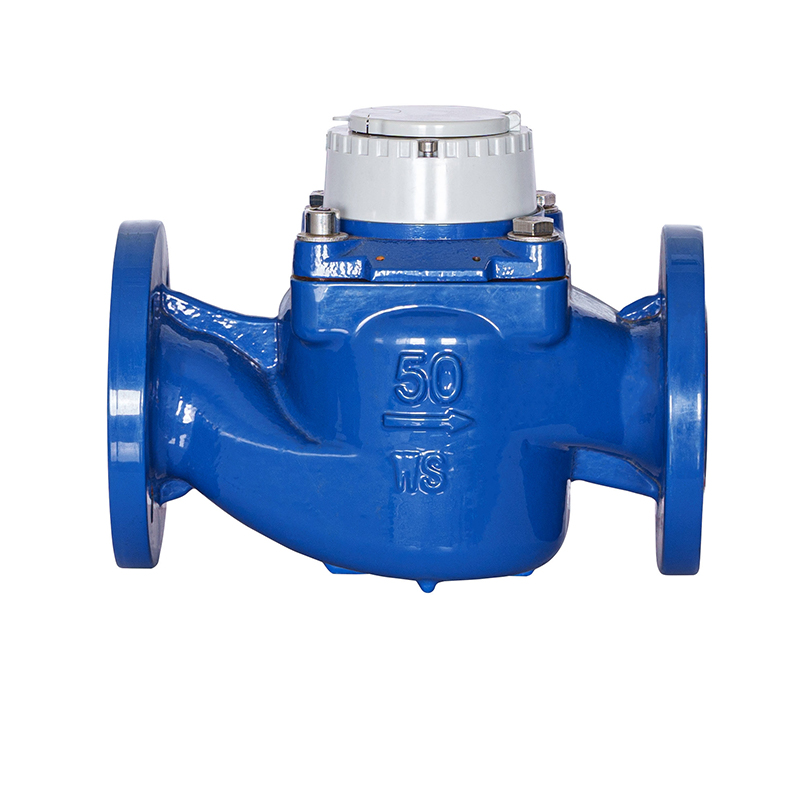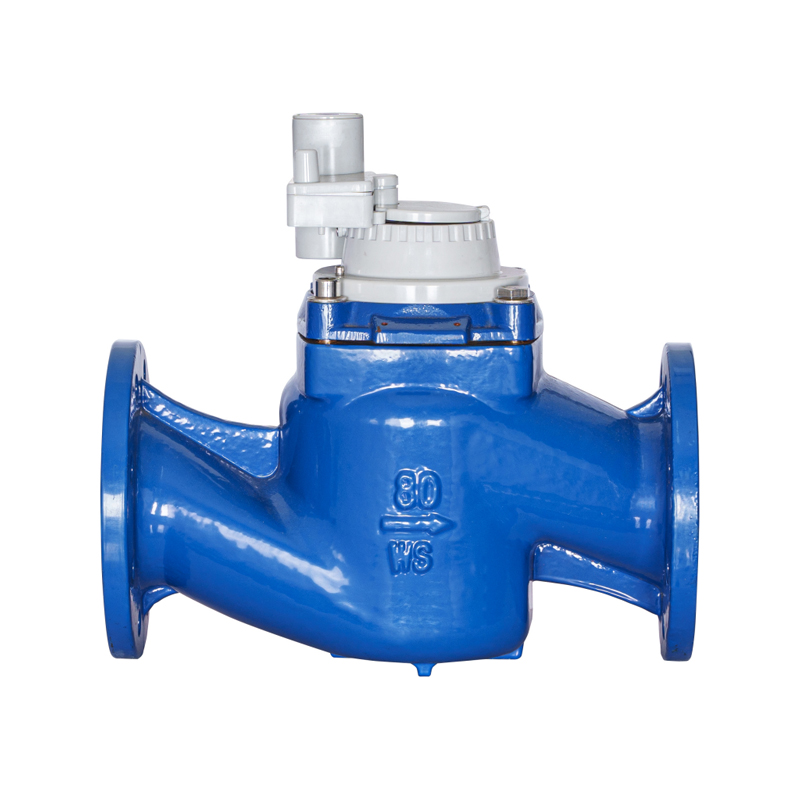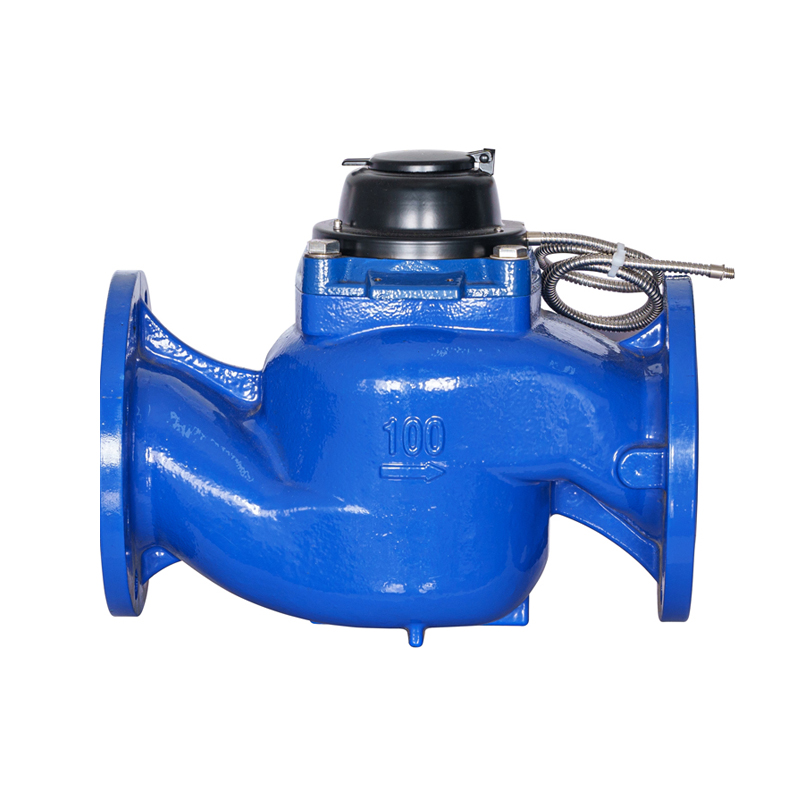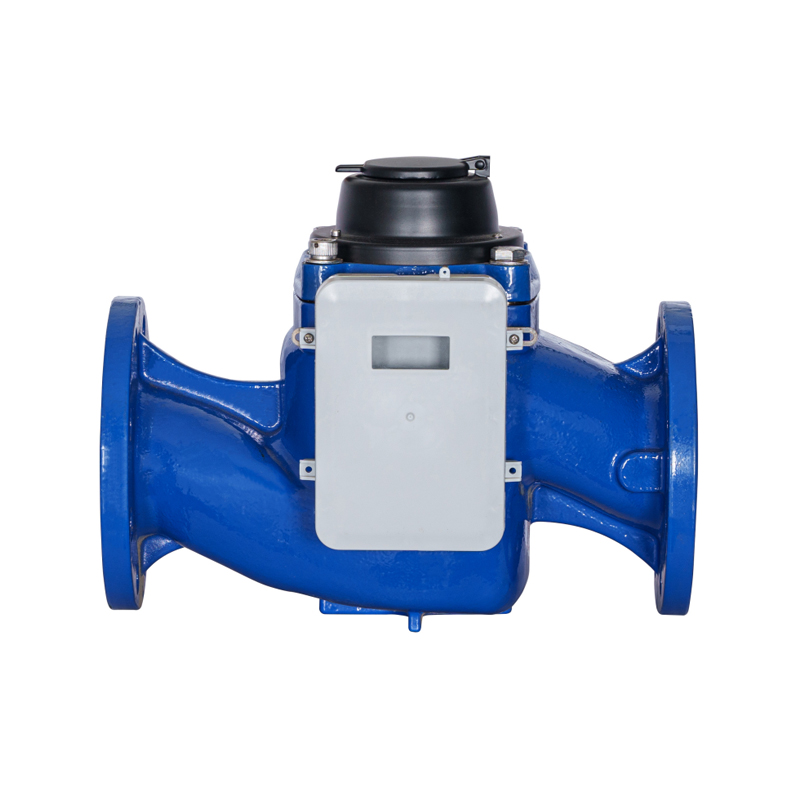

 عربى
عربى

What Are Custom Vertical Water Meters?
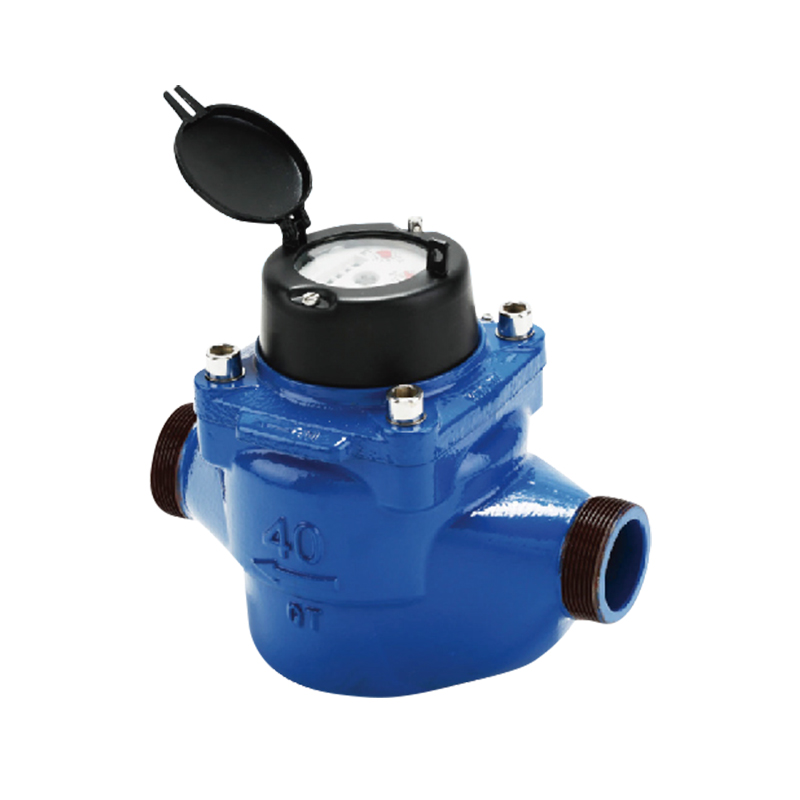
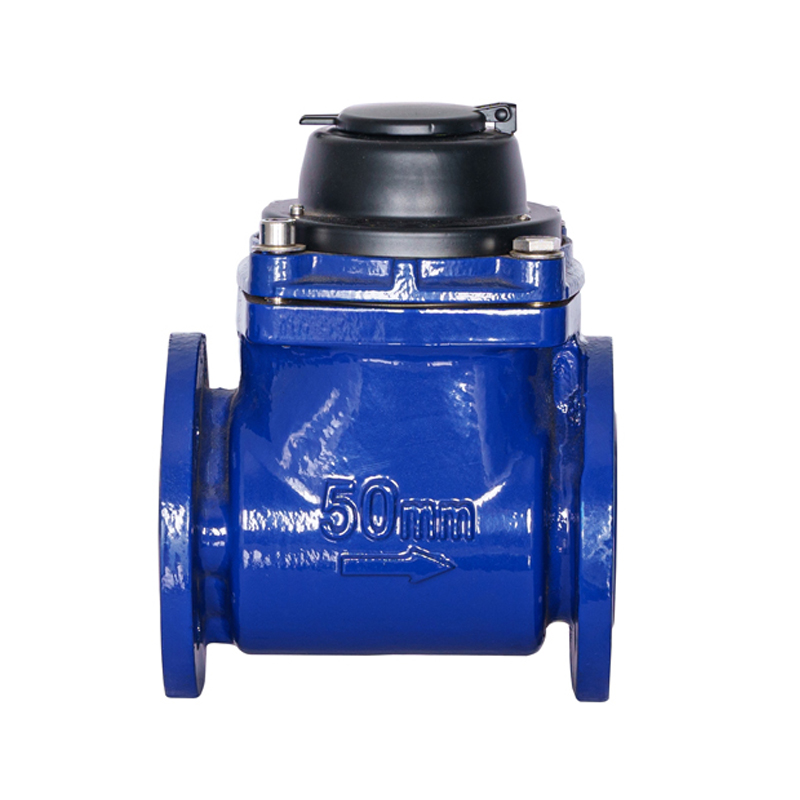
Custom vertical water meters are specialized devices used to measure the flow of water in vertical pipelines. These meters are tailored to meet specific requirements, such as size, flow range, and accuracy, depending on the application. By offering customizable features, they are ideal for a wide variety of industrial, commercial, and residential uses. These meters help ensure precise water usage measurement, promoting efficient water management and reducing wastage.
Why Choose Custom Vertical Water Meters?
Choosing custom vertical water meters offers several advantages. They provide accurate measurements tailored to specific needs, ensuring that the device is optimized for a given application. Custom meters can accommodate a variety of sizes and flow ranges, making them suitable for both small-scale residential applications and large industrial systems.
Additionally, they are often built to fit existing infrastructure, ensuring easy installation. Custom water meters are particularly beneficial in situations where standard meters cannot provide the necessary accuracy or where the installation space requires a unique solution.
Applications of Custom Vertical Water Meters
Custom vertical water meters are widely used across various industries. Below are some of the key sectors that benefit from their implementation:
- Municipal Water Systems: Custom meters are essential in accurately measuring the water consumption of households and businesses in urban areas.
- Industrial Applications: In industries like manufacturing, food processing, and chemical plants, accurate water measurement is crucial for process efficiency and resource management.
- Agriculture: Custom water meters are used in irrigation systems to monitor and manage water usage efficiently, ensuring optimal crop production.
- Water Treatment Plants: Custom vertical water meters are also used to monitor water flow in treatment facilities, helping optimize operations and energy use.
- Commercial Buildings: Meters are used to monitor water consumption, detect leaks, and optimize water use in large commercial or institutional buildings.
Advantages of Custom Vertical Water Meters
The use of custom vertical water meters offers a range of advantages, particularly in specialized or high-demand environments. These benefits include:
- Increased Accuracy: Custom meters are built to meet specific measurement requirements, ensuring high accuracy even in challenging conditions.
- Cost-Effectiveness: By accurately measuring water flow, custom vertical water meters help reduce water wastage, leading to lower operational costs and more efficient water use.
- Flexibility: Custom meters can be designed to fit into various piping systems and accommodate a wide range of flow rates, making them adaptable to different industries.
- Durability: Built to last, custom vertical water meters are typically made from high-quality materials that withstand wear and tear, ensuring long-term performance and reliability.
- Improved Water Management: With precise flow measurement, organizations can manage water resources more effectively, promoting sustainability and conservation.
Factors to Consider When Choosing a Custom Vertical Water Meter
When selecting a custom vertical water meter, several factors must be considered to ensure it meets the requirements of your specific application:
- Flow Rate: It's essential to select a meter that can handle the expected flow rate of water within the system.
- Pipe Size: Custom meters should be designed to fit the dimensions of the existing piping system, whether it is large industrial pipes or smaller residential pipes.
- Accuracy Requirements: Different applications may require varying levels of precision, so the meter should be selected based on the necessary accuracy for the operation.
- Material Compatibility: Ensure that the meter’s materials are compatible with the environment, including resistance to corrosion and pressure conditions.
- Maintenance Needs: Consider the ease of maintenance, including accessibility for calibration and cleaning.