
 عربى
عربى

Water that never reaches the sewer shouldn't be billed as if it did — a second meter is how that gets proven.
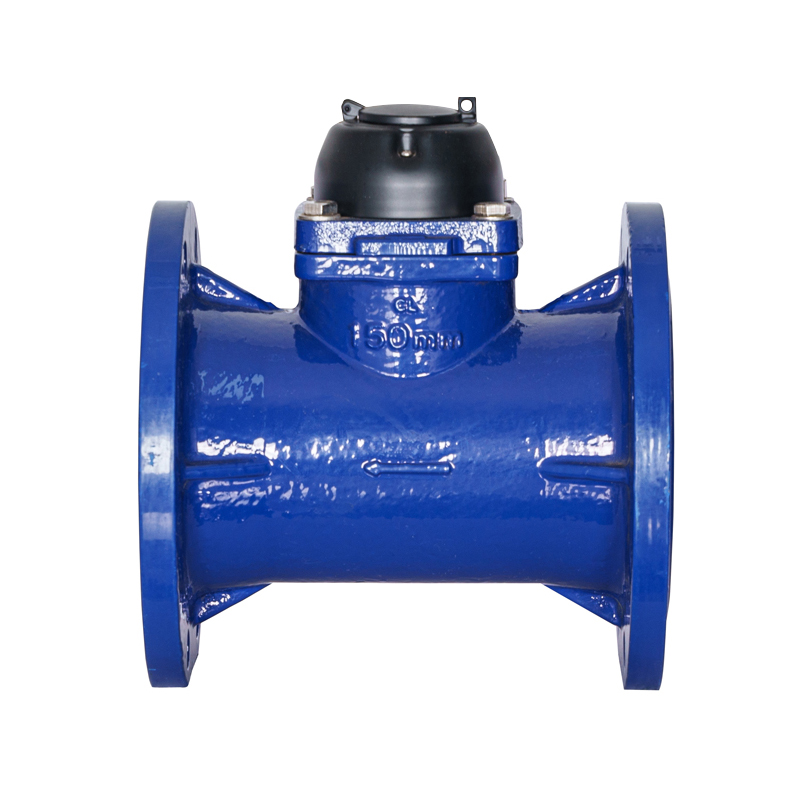
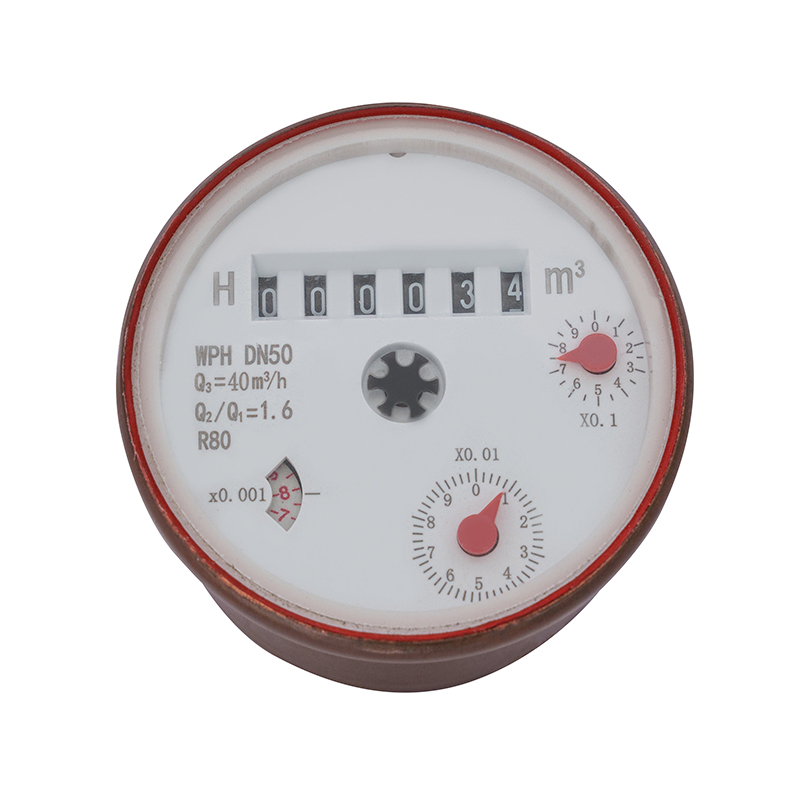
Most Wisconsin water utilities bill sewer charges based on how much water passes through the primary meter, on the assumption that whatever comes in eventually goes back out through the drain. That assumption falls apart for a lawn sprinkler system, a garden hose, or a pool fill line, since none of that water ever reaches the sanitary sewer. An irrigation meter — sometimes called a deduct meter or sewer meter depending on the utility — corrects for that gap by measuring outdoor water use separately, so it can be excluded from the wastewater portion of the bill. The sections below compare how this works against the alternative method some utilities use, and what property owners need to know before installing one.
A deduct meter setup requires a primary meter (M1) plus a secondary meter (M2) on the same service line and account.
Wastewater charges typically assessed on the M2 reading, since that water never enters the sanitary sewer system.
Under Wisconsin PSC rules, the secondary meter must be billed on the same account as the primary meter to qualify.
Two approachesIrrigation Meters vs Winter-Quarter Averaging: How Utilities Handle Outdoor Water
Wisconsin municipal water utilities generally use one of two methods to keep outdoor water use from inflating a sewer bill, and property owners often have a real choice between them depending on where they live.
Dedicated Irrigation Meter
- Measures actual outdoor water use in real time, meter by meter
- Accuracy scales with actual usage — heavy irrigation years show proportionally larger savings
- Requires upfront installation cost and, in many cases, a permit
- Billed year-round under a separate meter reading and irrigation-class rate
Winter-Quarter Averaging
- Estimates typical indoor-only usage from a low-irrigation winter billing period
- No installation cost or separate meter required
- Less precise — doesn't account for year-to-year changes in irrigation habits
- Automatically applied to the sewer portion of the existing bill each cycle
Utilities that use winter-quarter averaging typically calculate a customer's presumed indoor water use from a winter billing period, when outdoor watering is essentially zero, and apply that baseline to sewer charges for the rest of the year. It requires no hardware, but it can't account for someone who waters heavily one summer and barely at all the next — a dedicated meter captures that variation directly.
How it's set upHow a Deduct Meter Configuration Actually Works
Wisconsin's regulatory framework refers to this setup using M1 and M2 designations, and understanding that shorthand makes utility paperwork far easier to follow.
| Designation | Function | Billing Treatment |
| M1Primary meter | Measures all water entering the property | Billed under general service rates, including sewer charges |
| M2Secondary / irrigation meter | Measures water diverted to outdoor use only | Deducted from sewer charges; billed under irrigation-class rates if applicable |
The M1 reading minus the M2 reading gives the utility an accurate estimate of how much water actually returned to the sanitary sewer, which is the figure sewer charges should be based on.
Ownership mattersUtility-Owned vs Customer-Owned Irrigation Meters
Who owns the M2 meter changes both the upfront cost and the ongoing charges a property owner sees on their bill.
| Ownership | Upfront Cost | Ongoing Charges |
| Water utility-owned | Installation fee, varies by utility | May include a meter rental charge based on meter size |
| Customer-owned | Purchase and installation cost borne by owner | No rental charge, but owner is responsible for maintenance |
Some municipalities allow either arrangement, while others require utility ownership if the meter is used to compute irrigation-class billing. Checking the specific utility's tariff before purchasing hardware avoids buying a meter the utility won't accept for billing purposes.
Cost analysisCalculating Whether an Irrigation Meter Actually Saves Money
- Estimate seasonal outdoor water use in gallons, based on irrigation system runtime or hose usage logs from a typical summer
- Multiply that volume by the utility's sewer rate per unit to estimate annual savings from excluding it
- Compare that annual savings figure against the installation cost plus any ongoing meter rental charge
- Properties with light or seasonal watering may find the payback period longer than properties with extensive irrigation systems
Getting installedInstallation Requirements and Permit Steps
- Contact the local water utility to confirm whether irrigation or deduct meters are offered and under what tariff schedule.
- Obtain any required plumbing permit before modifying interior piping to accommodate a second meter connection.
- Schedule installation with utility staff or an approved plumber, depending on the utility's specific requirements.
- Confirm the new meter is registered on the same account and service line as the primary meter to qualify for deduct billing.
- Verify the account correctly begins excluding M2 readings from sewer charges on the next billing cycle.
Ongoing billingReading, Billing Cycles, and Rate Schedules for Irrigation Meters
Most Wisconsin municipal utilities read meters on a monthly, bimonthly, or quarterly cycle, and irrigation meters are typically read on the same schedule as the primary meter. If a utility has established a separate irrigation rate class, the M2 meter is billed under that class rather than general service rates, and no public fire protection charges apply to the irrigation portion of the bill.
Avoiding delaysCommon Mistakes That Delay Approval or Void Savings
- Installing a meter before confirming the utility's specific approval process, risking a rejected or non-billable setup
- Assuming any second meter automatically qualifies for deduct billing without being on the same account as the primary meter
- Skipping required permits for interior plumbing changes needed to add a second meter connection
- Forgetting to request winter-quarter averaging cancellation if switching from that method to a dedicated meter, which can result in double-counted deductions