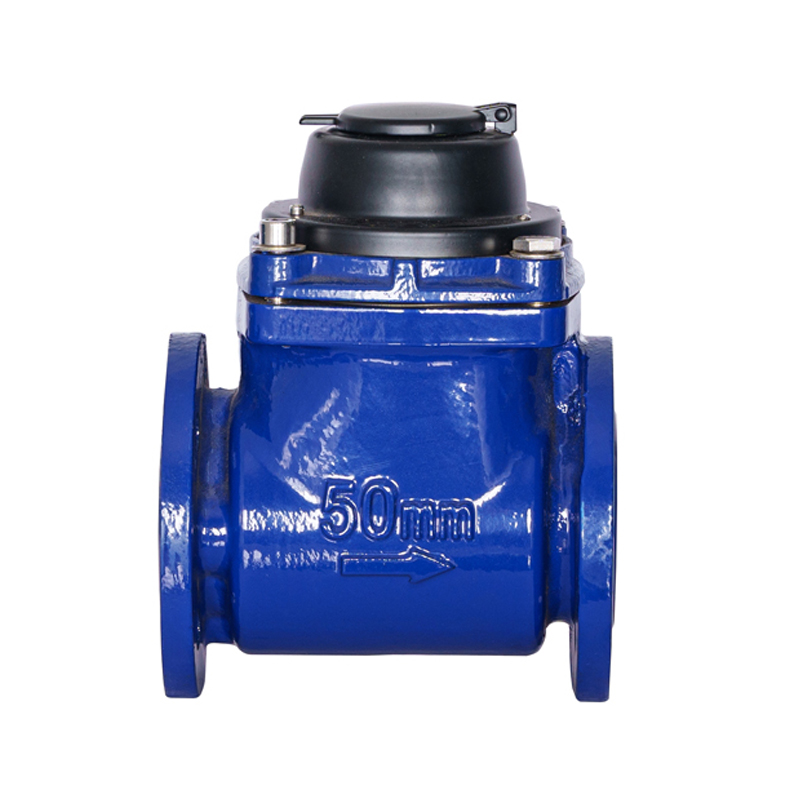

 عربى

Procurement teams evaluating vertical water meter manufacturers quickly discover that the data sheet is the least revealing part of the decision. Two meters with the same nominal diameter and the same accuracy class can perform very differently after three years in service. The real differences sit in the design of the measuring element, the depth of the production line behind the meter, and the remote-reading paths the factory actually supports. Check those three points first, and the rest of the supplier qualification becomes routine.
Why the Vertical Spiral Wing Design Matters
A vertical spiral wing water meter keeps the impeller axis perpendicular to the pipeline flow. This makes the body noticeably shorter than a horizontal spiral wing meter at the same nominal size, which is a practical advantage in valve chambers, pump stations, and buried pits where straight pipe is scarce. The same geometry also gives the measuring element a quicker response at low flow. In practice, reputable vertical Woltmann-type meters hold a rangeability of R160 to R200, meaning they stay within their accuracy class down to 1/160 or 1/200 of Q3. For a DN100 meter with a Q3 of 100 m³/h, that is accurate measurement at 0.5 to 0.63 m³/h; at R200, the meter is doing its job at a flow most people would call a leak.
The trade-off is a slightly higher pressure loss at maximum continuous flow compared with a horizontal spiral wing design. So vertical meters fit distribution networks, irrigation branches, and industrial service lines where the flow varies through the day, while horizontal meters are preferred where the line runs continuously at high load. Typical Q3 ratings by nominal size illustrate the duty involved:
The chart uses typical Q3 values for the standard R10 series. Q3 is the continuous operating flow, and overload flow Q4 is normally 1.25 times Q3. A manufacturer that publishes the full Q1–Q4 envelope, not just the maximum number, is usually the one with real calibration data behind it.
| Comparison point | Vertical spiral wing (WS) | Horizontal spiral wing (WPH) |
|---|---|---|
| Impeller axis | Perpendicular to flow | Parallel to flow |
| Body length at same DN | Shorter | Longer |
| Low-flow sensitivity | Higher (R160–R200 typical) | Moderate (R100–R160 typical) |
| Pressure loss at high flow | Slightly higher | Lower |
| Best fit | Variable flow, space-limited sites | Continuous high flow, mains |
| Typical DN range | DN40–DN200 | DN40–DN600 |
For a closer look at the geometry and service characteristics that define this category, review the key features and benefits of the WS vertical spiral wing water meter.
Five Checks That Separate Real Vertical Water Meter Manufacturers from Assemblers
The word "manufacturer" appears on many websites that are actually assembly shops buying machined bodies and calibrated movements from third parties. That model is workable, but it changes your risk: you are then relying on two or three companies, and the only quality gate is the final calibration. Run these five checks before approving a supplier:
- Measuring-element production. Does the plant produce its own impellers, gears, and measuring chambers, or buy them in? A factory that moulds its own parts can tune the meter during development and respond faster when you request a modification.
- Calibration rigs. Ask how many test stations the factory runs, what the rigs are traceable to, and whether each meter ships with an individual test certificate. A vertical water meter is only as credible as the bench that verified it.
- Material and foundry control. For DN40–DN200 meters the body is usually bronze, cast iron with epoxy coating, or ductile iron. Confirm whether the foundry belongs to the same company and request material certificates on a sample order.
- Register and remote-read range. Smart water projects fail when the meter and the communication module are designed by different teams. A manufacturer that offers pulse, non-magnetic, photoelectric, and NB-IoT versions on the same detachable housing lets you standardize the meter body and change the register later without pulling the meter out of the pipe.
- Export documentation. For overseas buyers, the real test is customs clearance: certificate of origin, inspection reports, and packing lists. A factory that exports regularly can provide these without drama.
Remote-Reading Options That Should Be on the Table
A vertical water meter usually outlives its register. The mechanical movement can run for a decade or more, but the data interface will probably change as your utility upgrades its telemetry. That is why the manufacturer's register family matters as much as the meter body itself. The practical options today are:
- Hall-effect pulse output — the low-cost standard for local data loggers and walk-by reading.
- Non-magnetic sensing — removes the magnet from the flow path and avoids the failure modes caused by ferrous particles in the water.
- Photoelectric direct reading — copies the position of the number wheels instead of counting pulses, so it never accumulates reading error.
- NB-IoT transmission — pushes readings directly to a server over the cellular network, with no gateway in the chamber.
Each option fits a different business case. A private developer with a hundred meters may choose pulse output and a handheld reader. A utility rolling out district metering across hundreds of nodes will standardize on NB-IoT or photoelectric direct reading depending on the coverage and the head-end software already in place.
For cellular telemetry projects, the DN40–DN200 NB-IoT version of Water Cube's WS series integrates the modem into the standard detachable housing, so installation crews work with the same meter body they already know.
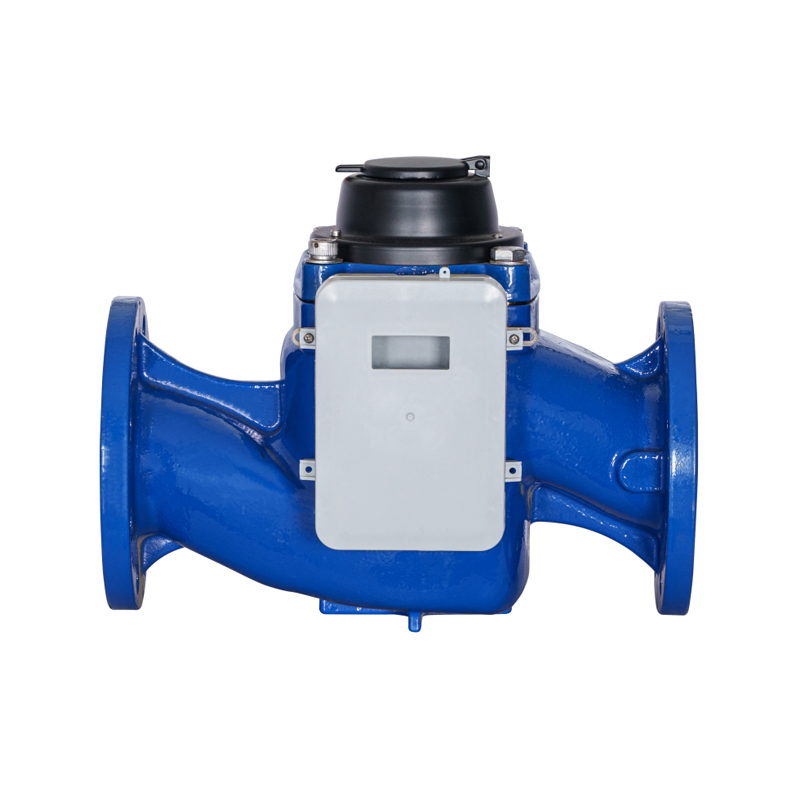 WS Series NB-IoT Detachable Water Meter for Remote TelemetryIntegrates NB-IoT modem into a familiar detachable housing for easy installation, ideal for cellular telemetry projects across DN40–DN200.View Product →
Where the supply carries ferrous particles from aging mains, the non-magnetic integrated version of the same WS platform eliminates the magnetic coupling entirely — one less failure mode over a ten-year service life.
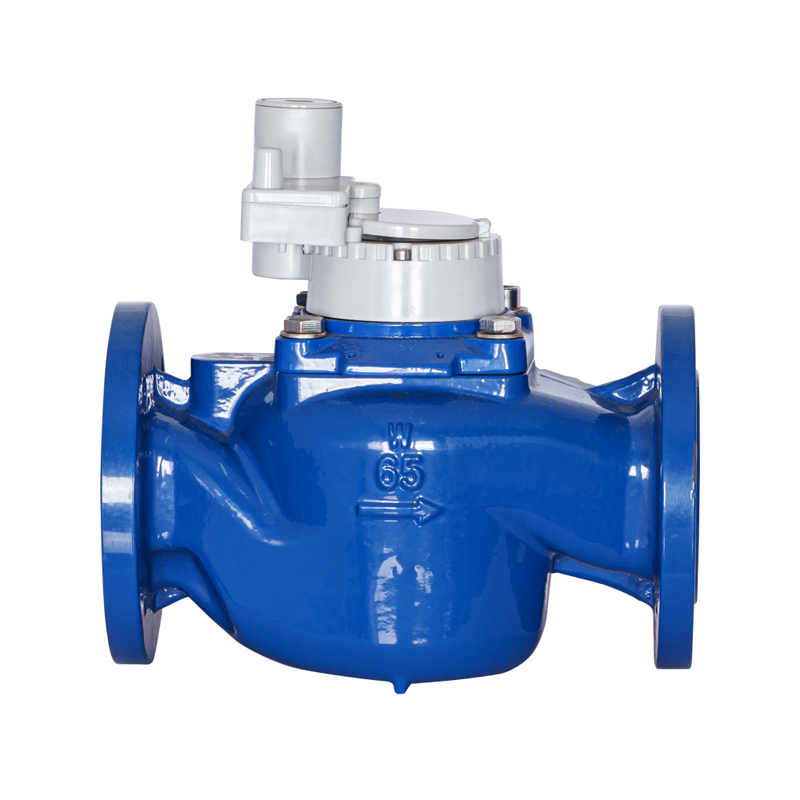 WS Non-Magnetic Integrated Water Meter for Ferrous-Particle SupplyEliminates magnetic coupling to avoid failure from ferrous particles in aging mains, offering a robust ten-year service life.View Product →
For billing-grade data that field auditors can verify against the dial, the photoelectric direct-reading WS meter reads the actual register wheels, so the remote value always matches what a technician sees on site.
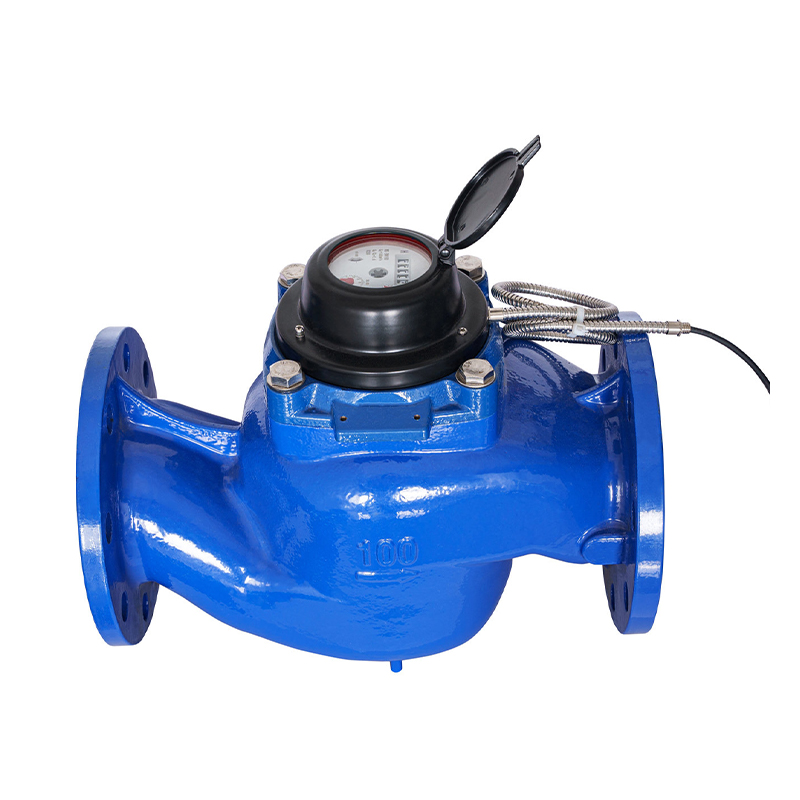 WS Photoelectric Direct-Reading Water Meter for Billing VerificationReads actual register wheels so remote billing data matches field audits perfectly, with magnetless sensing and optional communication methods.View Product →
A Sourcing Checklist to Put in Front of Every Candidate
Use the checklist below as an RFQ annex or a factory-visit agenda. It covers the points that commonly cause projects to fail after delivery.
| Check item | What to verify | Why it matters |
|---|---|---|
| DN coverage | Does the vertical line span DN40–DN200? | Fewer suppliers to manage on one project |
| Rangeability (R ratio) | Written Q1/Q3 values, not just brochure claims | Reveals real low-flow visibility for leak detection |
| Detachable mechanism | Can the measuring element be removed inline? | The meter body stays in the pipe during maintenance |
| Register options | Interchangeable pulse, NB-IoT, non-magnetic, photoelectric | Protects the purchase against future telemetry changes |
| In-house calibration | Number of test rigs and traceability standard | Enables individual meter certificates for the batch |
| Export documents | Certificate of origin, test reports, packing docs | Prevents customs delays and demurrage charges |
Pay particular attention to the Q1 value in the datasheet. Two meters can both claim R160, but one may reach it with a lower Q1 while the other only just qualifies with a relaxed accuracy class at the bottom end. Ask for the accuracy curve, not just the ratio.
What a Full-Chain Vertical Water Meter Manufacturer Gives You
A specialized plant with an integrated production chain — mould making, injection moulding, assembly, and calibration under one roof — solves problems that buyers usually discover late. When a small batch needs a different pulse output or a modified register window, the factory can turn around a sample without waiting for an overseas component shipment. When a quality issue appears in the field, traceability back to a specific mould and a specific calibration station shortens the investigation from weeks to days.
The WS vertical spiral wing platform shows how that production depth maps onto one product family:
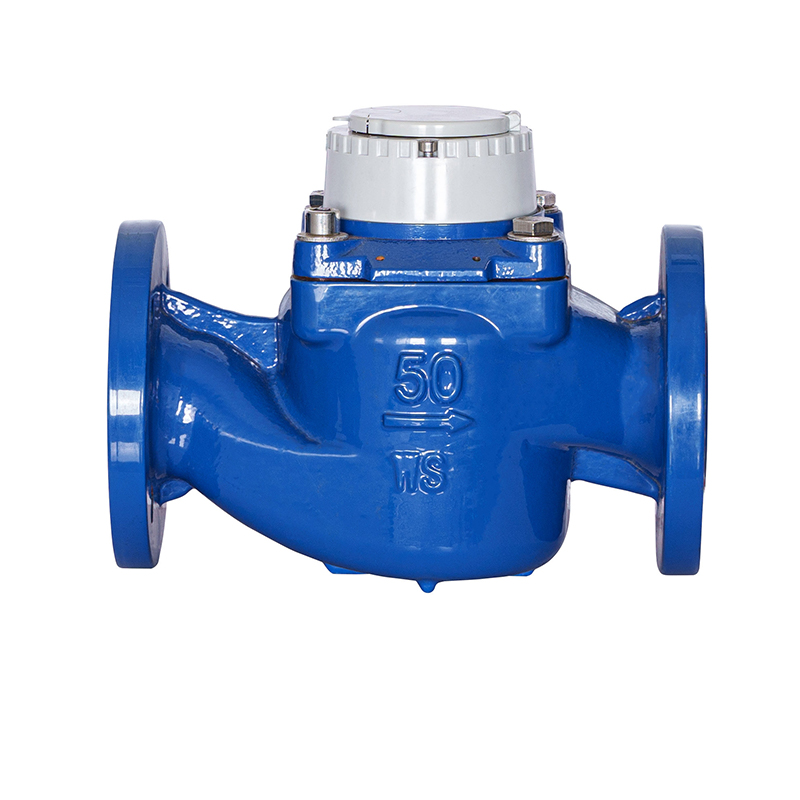
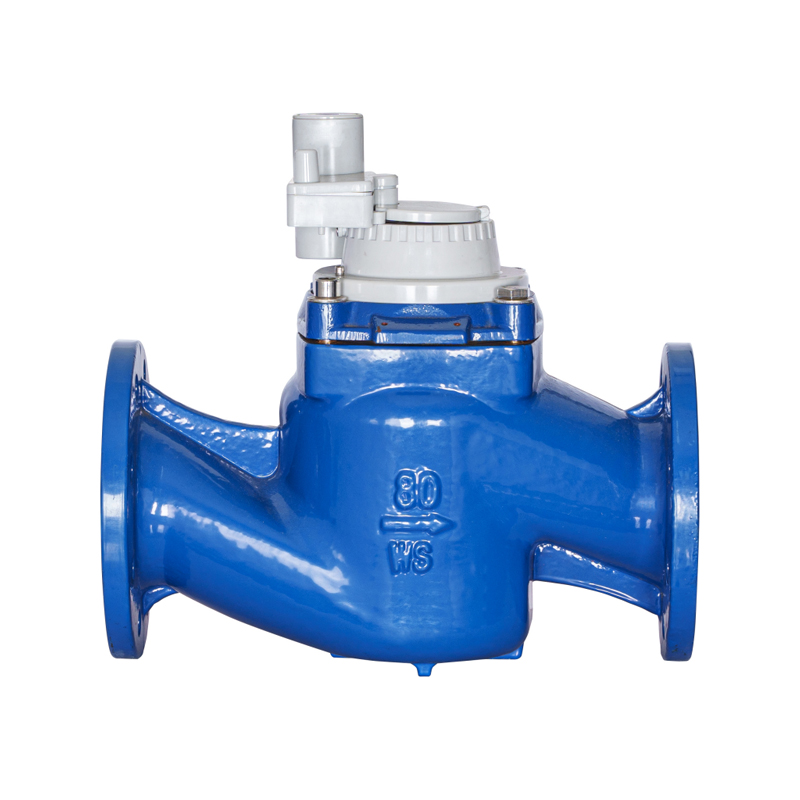
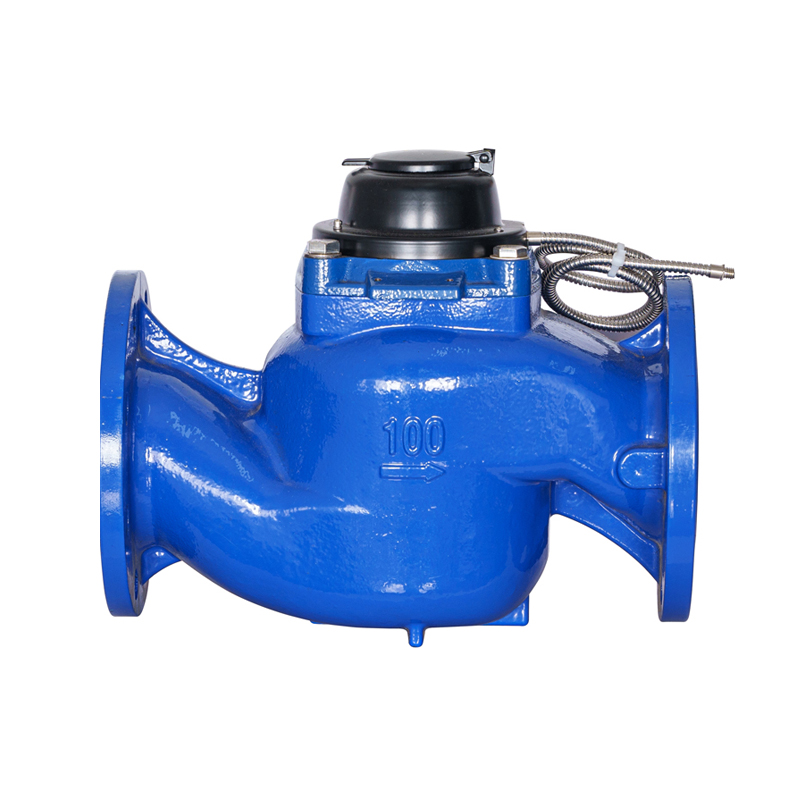
- WS vertical spiral wing platform, DN40–DN200
- Standard high-precision detachable meter
- Telemetry versions
- NB-IoT cellular
- Non-magnetic integrated
- Photoelectric direct reading
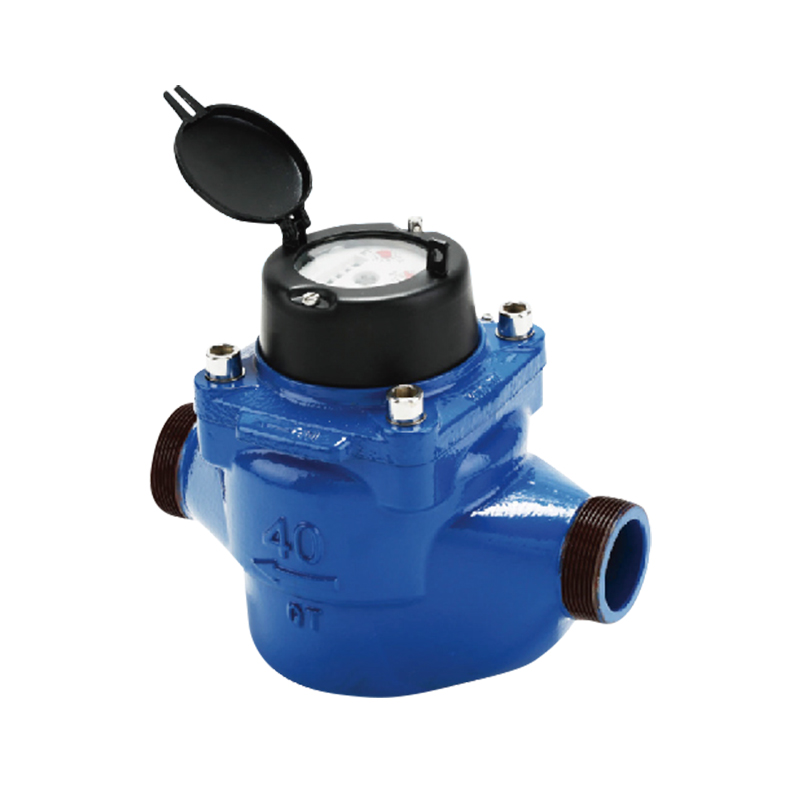
- DN40 pipeline monitoring meter
Ningbo Water Cube, the company behind the Water Cube brand, focuses on large-caliber instruments rather than household meters. It describes its own chain as covering design, mould making, injection moulding, assembly, and verification, and it exports to multiple markets with English and Arabic sales support. That combination matters when the project team sits in one time zone and the factory in another. Review the full catalog on the company's homepage if you need a single source for vertical configuration across DN40–DN200.
The way to test any full-chain claim is to demand the same documentation you would ask of a larger competitor: individual test certificates, material traceability, and a direct answer on lead times. If the factory can produce those from an internal system rather than an email to an upstream supplier, the vertical integration is real.
The right vertical water meter manufacturer is the one that can document the whole chain from injection mould to calibration certificate and can offer a register path you will still want in five years. Ask for individual test data, visit the calibration hall if you can, and choose the supplier whose product family matches not just today's pipe size but tomorrow's telemetry plan.