

 عربى
عربى

Provide Customers With High-Quality Water Meter Products
Custom Vertical Water Meter Manufacturers
-
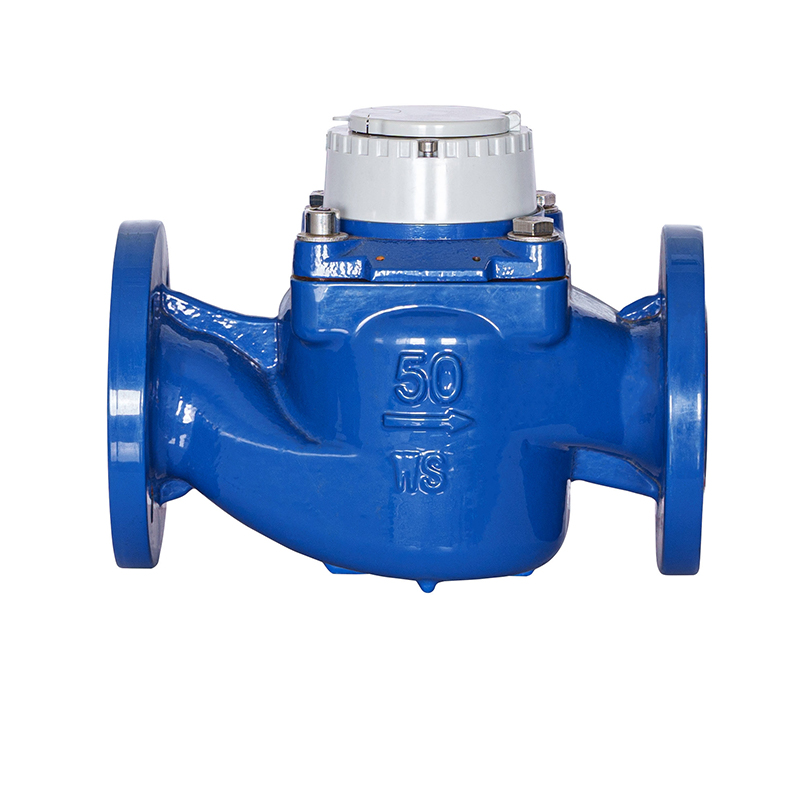
WS-DN40-DN200 High-Precision Vertical Spiral Wing Detachable Water Meter
Advantages Description The product design is based on German technology and developed in combination with China's water ... -
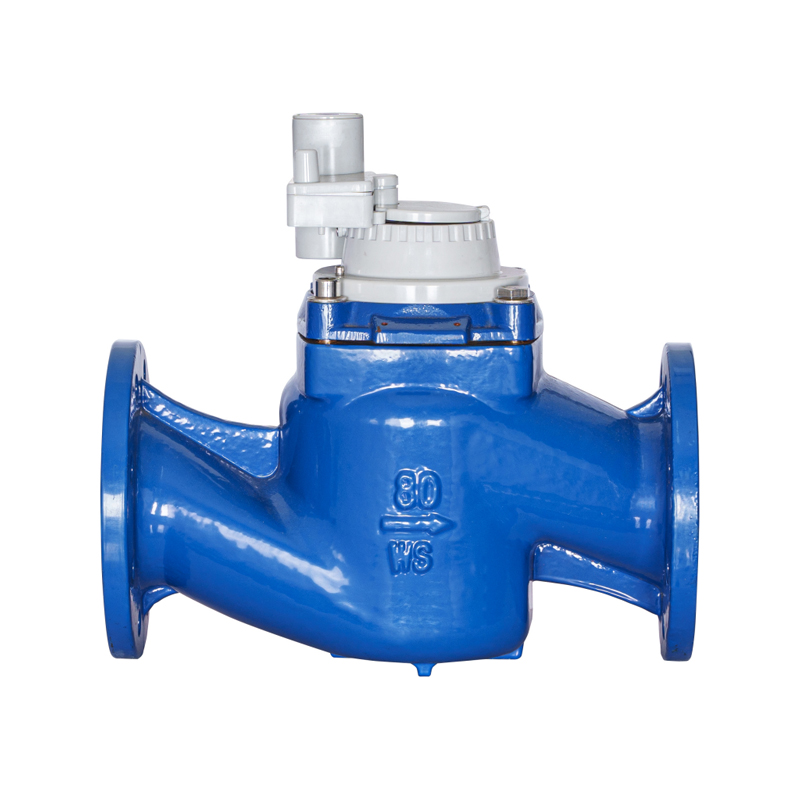
WS-DN40-DN200 High-Precision Vertical Screw Wing Detachable Non-Magnetic Integrated Water Meter
The WS DN40-DN200 High-Precision Vertical Screw Wing Removable Photoelectric Direct-reading Water Meter is an intelligen... -
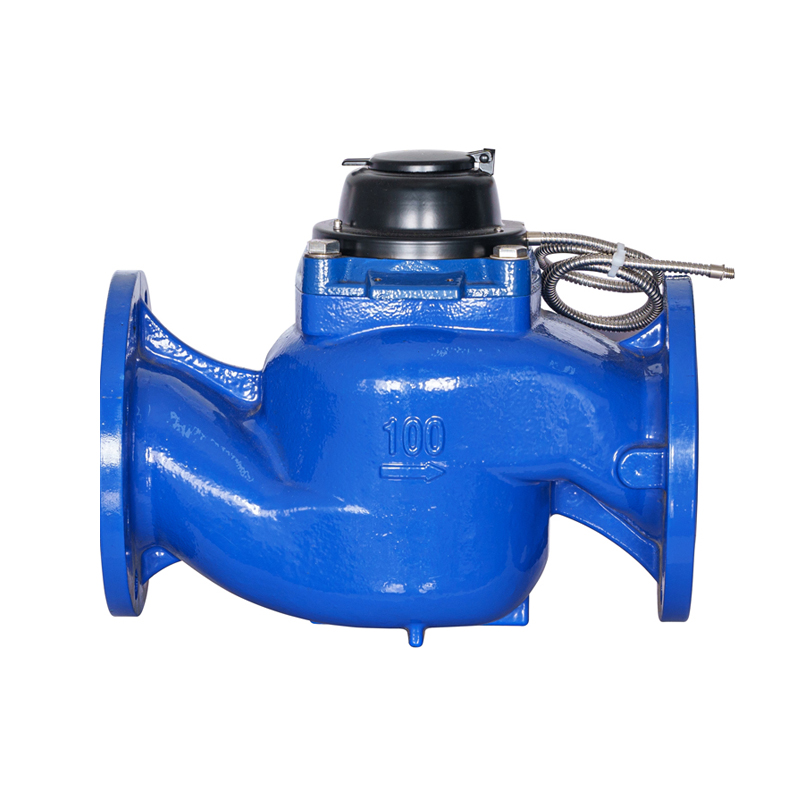
WS-DN40-DN200 High-Precision Vertical Screw Wing Detachable Photoelectric Direct-Reading Water Meter
The WS DN40-DN200 High-Precision Vertical Screw Wing Removable Magnetless Integrated Water Meter is an advanced metering... -
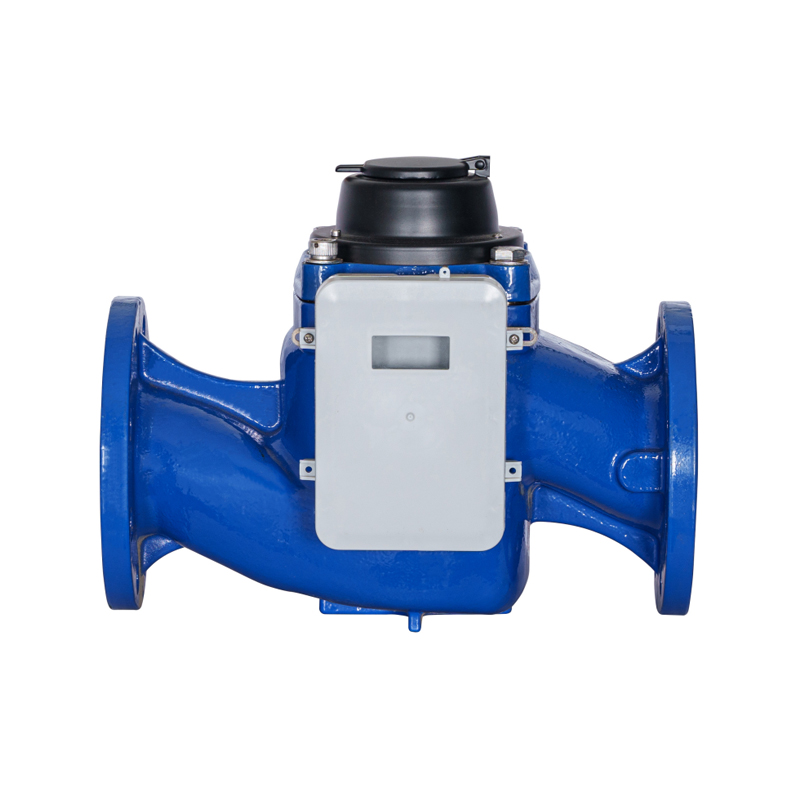
WS-DN40-DN200 High-Precision Vertical Screw Wing Detachable NB Water Meter
The WS DN40-DN200 High-Precision Vertical Screw Wing Removable NB-IoT Water Meter is an intelligent water meter suitable... -
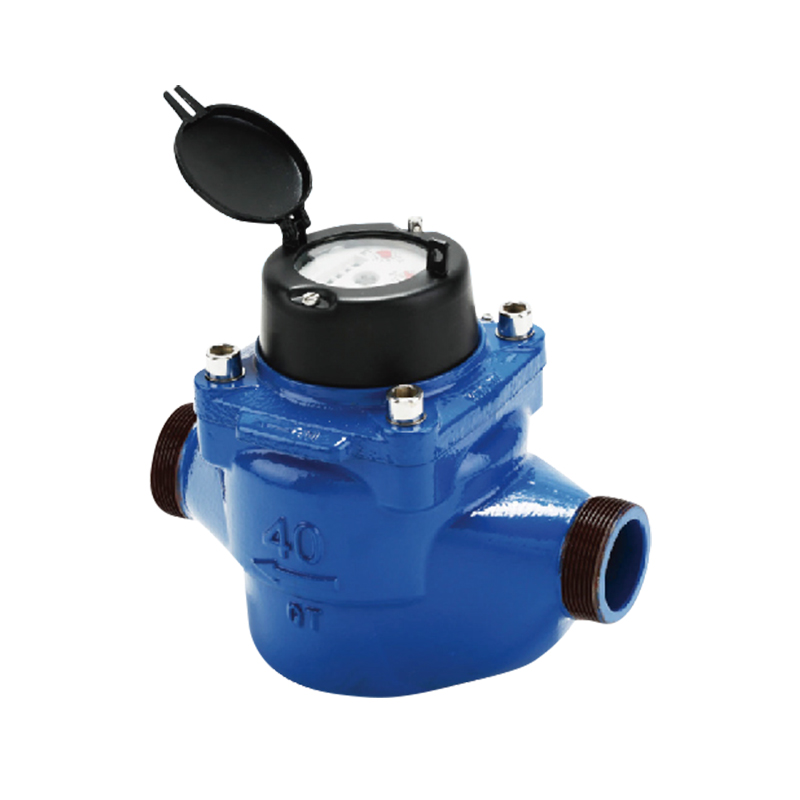
WS DN40 Pipeline Monitoring Water Meter
The pipeline monitoring water meter is mainly aimed at building monitoring water meters and monitoring water needs of sm...
Start Our Cooperation!

Ningbo Water Cube Instrument Technology Co., Ltd. is China Vertical Water Meter Manufacturers and Custom WS Vertical Spiral Wing Water Meter Factory specializing in producing large-diameter water meters and water meter movements, including product design and development, mold manufacturing, injection molding processing, and assembly and verification. The industrial chain is complete and we have long-term cooperation with many domestic enterprises. Enterprise purpose: quality first, reputation first. Warmly welcome industry colleagues to visit and provide guidance.
-

Industry Standard
-

9+ Industrial Experience
-

Exported To Many Countries
-

7*24 Hours Customer Service
Recent News
Commercial Water Meter Manufacturers & Water Flow Meter Factory Guide for Accurate Metering
12-Mar-2026
How does the WI irrigation water meter adapt to different pressures and water flow rates?
05-Mar-2026Does the WPH horizontal spiral wing water meter offer convenient connection interfaces?
26-Feb-2026Does the WS vertical spiral wing water meter have anti-backflow, anti-impact design, or leakage protection mechanisms?
19-Feb-2026Industry Knowledge
I. Understanding the WS Vertical Spiral Wing Water Meter
Unique Structure and Working Principle of the WS Vertical Spiral Wing Water Meter
The WS Vertical Spiral Wing Water Meter (often referred to as the WS Vertical Turbine Water Meter) is a velocity-type flow meter designed for the precise measurement of the total volume of water passing through a pipeline, typically in cubic meters. It falls into the category of medium-to-large caliber meters, specifically engineered for applications demanding high flow rates and minimal pressure loss, making it an essential device in water management and industrial metering.
Core Definition and Working Principle
The WS water meter operates on the principle of converting fluid kinetic energy:
Water Flow Impulsion: As water enters the metering chamber at a certain velocity, its kinetic energy drives the spiral wing (similar to a propeller or turbine) located within the chamber to rotate.
Spiral Wing Structure: The wing features a multi-bladed design optimized for the flow field, ensuring stable and efficient energy transfer from the water flow to the rotation.
Vertical Axis: The defining characteristic of the WS Vertical Spiral Wing Water Meter is that the rotational axis of the spiral wing is perpendicular to the horizontal axis of the pipe (i.e., perpendicular to the direction of water flow).
Accumulation and Measurement: The rotational speed of the spiral wing is strictly proportional to the instantaneous water flow rate passing through the meter. This rotation is accurately transmitted to the external, sealed register via a magnetic coupling or mechanical gear train, accumulating the total volume of water.
This structural design ensures that the meter maintains high accuracy and long-term reliability across a wide flow range.
Key Components and Their Functions in Water Measurement
The WS Vertical Spiral Wing Water Meter mainly consists of the following critical components, whose quality and design directly influence the meter's performance:
| Key Component | Function Description | Impact on Measurement |
| Body | Contains all internal parts and connects to the pipeline. It serves as the meter's pressure boundary, typically made of Brass or Stainless Steel. | Ensures pressure sealing, corrosion resistance, and structural integrity. |
| Spiral Wing | The core component directly driven by the water flow; its manufacturing precision and dynamic balance are crucial. | Determines the meter's sensitivity and linearity across different flow velocities. |
| Vertical Axis | Secures the spiral wing and ensures its smooth, low-friction rotation in the vertical plane. | Guarantees accuracy in vertical axis installation, reduces bearing wear, and prolongs lifespan. |
| Strainer | Located at the inlet, used to filter large particles of impurities from the water. | Protects the precise spiral wing and internal mechanism from damage or clogging. |
| Register | Displays the total accumulated volume of water, can be mechanical or electronic. | Provides clear, accurate, and reliable flow readings. |
| Magnetic Coupling | Transfers the rotation from the submerged wing to the dry register without physical contact. | Maintains the register's sealing integrity, preventing water ingress, which enhances durability. |
Why Choose “Vertical” Installation
In the design of the WS Vertical Spiral Wing Water Meter, “Vertical” refers to the orientation of the spiral wing's axis, which is perpendicular to the pipeline's centerline. This design choice offers significant technical advantages:
Low Pressure Loss: Compared to positive displacement or some impeller meters, the vertical spiral wing structure features a smoother flow path, significantly reducing pressure loss across the meter. This is crucial for long-distance water transmission or systems requiring stable supply pressure.
High Flow Adaptability: This structure allows the meter to operate stably under high flow conditions without easily causing cavitation or measurement distortion, making it particularly suitable for trunk lines and high-volume industrial use.
Self-Cleaning Effect: The vertical axis design inherently helps reduce the accumulation of sediment at the bottom of the measuring chamber compared to some horizontal meters, as the flow tends to scour the area, promoting the free movement of the spiral wing.
Market Positioning and Technical Support
Ningbo Water Cube Instrument Technology Co., Ltd. plays a vital role in the water metering industry. The company specializes in the production of large-diameter water meters and water meter movements, boasting a complete industrial chain that includes product design and development, mold manufacturing, injection molding processing, and assembly and verification. This full-process control ensures the quality consistency and technical advancement of core components and final products alike.
The company upholds the corporate purpose of “quality first, reputation first.” Through its strong team of experts, complete industrial chain, and long-term cooperation with numerous domestic enterprises, Ningbo Water Cube Instrument Technology Co., Ltd. leverages the latest technology and accumulated experience. This expertise is fundamental to ensuring the precision and reliability of its WS Vertical Spiral Wing Water Meter products, earning favor from customers in the market.
Comparison of Key Parameters with Other Meter Types
| Feature Comparison | WS Vertical Spiral Wing Water Meter | Horizontal Spiral Wing Meter | Volumetric Meter (Piston Meter) |
| Wing Axis | Perpendicular to pipeline axis (Vertical Axis) | Parallel to pipeline axis (Horizontal Axis) | No wing; measures via displacement (piston/disc) |
| Applicable Caliber | Medium-to-Large Caliber (DN50 and above) | Large Caliber (DN80 and above) | Small Caliber (DN15-DN40) |
| Pressure Loss | Low (Smooth Structure) | Medium-Low | High (Complex Structure) |
| Flow Range | High flow rate, suitable for high-load applications | Extremely high flow rate, suitable for main trunks | Low flow rate, high sensitivity to tiny flows |
| Starting Flow | Relatively high (Slightly higher starting flow) | Relatively high | Extremely low (High sensitivity) |
| Typical Application | District Metering Areas (DMA), Industrial Supply | Water Plant Outlet, Municipal Main Lines | Residential Users, Commercial Low Flow |
II. Core Features and Significant Advantages of the WS Vertical Spiral Wing Water Meter
The widespread adoption of the WS Vertical Spiral Wing Water Meter in medium-to-large caliber metering—across municipal, industrial, and agricultural sectors—is attributed to the technical advantages inherent in its unique vertical spiral wing structure. These benefits primarily revolve around accuracy, reliability, durability, and ease of maintenance.
High Accuracy and Reliability: Ensuring Precise Water Measurement
High accuracy is the paramount requirement for any water meter. The WS Vertical Spiral Wing Water Meter achieves outstanding metering accuracy across its entire operating flow range through precise spiral wing design and manufacturing processes.
Metering Error Control: Ningbo Water Cube Instrument Technology Co., Ltd. utilizes its complete industrial chain, particularly the meticulous control over mold manufacturing and injection molding processing, to ensure the dimensional precision of the spiral wing and metering chamber. This precision keeps the error limits within the strict ranges specified by international standards (e.g., ISO 4064, typically ±2% or ±5%) from minimum flow (Q1) up to overload flow (Q4).
Long-Term Stability: The vertical axis design minimizes radial forces on the bearings, reducing the wear rate. By utilizing high-quality, wear-resistant materials (such as sapphire or agate) for the bearings, the meter's long-term stability and reliability are significantly enhanced.
Spiral Wing Design Advantages: Optimization of Vane Design
The design of the spiral wing is key to the accuracy and low head loss of the WS Vertical Spiral Wing Water Meter.
| Design Optimization Point | Advantage Manifestation | Measurement Benefit |
| Streamlined Vanes | Minimizes water flow resistance and reduces pressure loss. | Increases energy efficiency of the water delivery system. |
| Vertical Bearing Alignment | Ensures the spiral wing is always in the optimal force state, reducing axial and radial wobble. | Improves starting sensitivity at low flow rates, guaranteeing measurement accuracy. |
| Optimized Flow Guidance | The flow guides in the measuring chamber are hydrodynamically optimized to ensure uniform water impact on the spiral wing. | Reduces the impact of water vortices and turbulence on the wing's speed, improving linearity at high flow rates. |
| Lightweight Materials | Use of low-density, high-strength engineering plastics for manufacturing the spiral wing. | Reduces rotational inertia, enhancing responsiveness to changes in water flow. |
Vertical Installation Capability (Vertical Installation Capability) Advantage
While the meter itself is typically installed horizontally in a pipe, its internal spiral wing axis is perpendicular to the pipe. This unique orientation offers distinct operational and installation advantages:
Resistance to Air Bubble Interference: In the vertical installation of the spiral wing structure, air or gas bubbles in the pipeline can more easily rise and pass through quickly, preventing accumulation around the wing. This minimizes instantaneous interference from bubbles, enhancing metering stability.
Resistance to Impurity Sedimentation: Compared to some horizontal meters where sediment can accumulate at the bottom, the vertical structure promotes better water scouring, reducing the buildup of silt, rust, and other impurities within the measuring chamber, thereby protecting the precise mechanism.
Installation Adaptability: This design is particularly valuable in environments with limited space or complex piping layouts, offering greater flexibility for installers.
Durability and Longevity (Durability and Longevity)
Replacing large-caliber meters is costly, making durability and a long service life crucial.
High-Quality Material Selection: The casing of the WS Vertical Spiral Wing Water Meter typically uses high-strength, pressure-resistant Brass or highly corrosion-resistant Stainless Steel. Ningbo Water Cube Instrument Technology Co., Ltd. in mold manufacturing ensures the geometric precision and uniform wall thickness of the casing, guaranteeing long-term safe operation under rated temperature and pressure.
Internal Mechanism Protection: The magnetic coupling drive system completely isolates the water flow from the register, preventing impurities and minerals from corroding the counter components, significantly extending the register's lifespan.
Corporate Quality Commitment: Upholding the corporate purpose of “quality first,” Ningbo Water Cube Instrument Technology Co., Ltd. emphasizes stringent quality control from the movement to the entire meter. This commitment directly translates into the WS Vertical Spiral Wing Water Meter’s superior durability and relatively longer reliable working life.
Easy Installation and Maintenance (Easy Installation and Maintenance)
Modular Design: Modern WS Vertical Spiral Wing Water Meters often feature a modular design, such as a removable measuring insert (movement). This means that in the event of maintenance or calibration, the entire meter body does not need to be uninstalled; only the internal insert needs replacement or removal, greatly simplifying on-site service.
Low Maintenance Requirement: Due to the use of high-wear-resistant bearings and anti-fouling design, the WS Vertical Spiral Wing Water Meter requires less frequent routine maintenance compared to older designs, reducing operational costs.
III. Wide Application Scenarios of the WS Vertical Spiral Wing Water Meter
The WS Vertical Spiral Wing Water Meter plays an indispensable role across various key areas of water resource management and distribution, thanks to its high accuracy, large flow capacity, and low pressure loss characteristics. Since Ningbo Water Cube Instrument Technology Co., Ltd. specializes in the production of large-diameter water meters, its products are particularly suited for environments that require precise measurement of high-load water flows.
Residential Water Metering
While smaller caliber meters are common for individual residential lines, the WS Vertical Spiral Wing Water Meter is crucial in the following large-scale scenarios:
Master Meters for Large Housing Estates: Serving as the main inlet meter for an entire community, high-rise apartment complex, or large building group to calculate total water consumption for the area.
Centralized Heating/Cooling Systems: Measuring the circulating or makeup water entering large public service areas or buildings.
In these high-flow, continuous metering applications, the meter's long-term stability and pressure-bearing capability are of paramount importance.
Commercial Water Metering
Commercial buildings often exhibit intermittent, but extremely high-peak flow water usage, requiring meters with excellent instantaneous flow adaptability.
Large Commercial Centers and Malls: Used for metering the total water consumption of the entire property management area.
Office Buildings and Hotels: Accurately measuring water for central air conditioning, food services, and daily operations.
Public Facilities: Such as main inlet metering for airports, train stations, or large stadiums.
The WS Vertical Spiral Wing Water Meter can handle these flow fluctuations with low pressure loss, ensuring the stable operation of the water supply system during peak hours.
Industrial Water Metering
In the industrial sector, reliability, durability, and adaptability to specific water quality are primary considerations.
Cooling Water Circulation Systems: Measuring the circulating cooling water in large machinery and process systems.
Process Water Use: Metering non-potable water used in industries such as textiles, chemicals, food and beverage, and power generation where water quality requirements are less stringent.
Effluent Discharge Monitoring: Installed at industrial discharge points to meter treated wastewater.
Given the substantial flow rates in industrial water use, Ningbo Water Cube Instrument Technology Co., Ltd.'s expertise in large-diameter water meter movement design ensures that the WS Vertical Spiral Wing Water Meter can withstand the harsh demands of industrial environments, providing high-quality and highly reliable metering data.
Agricultural Water Metering
In modern agricultural irrigation systems, precise water control is vital for improving water use efficiency and reducing costs.
Large Irrigation Systems: Used to measure the large volumes of water extracted for irrigation from sources like reservoirs, rivers, or deep wells.
Farm Master Inlet: Metering the total water consumption of a farm or greenhouse complex for water rights allocation and billing.
The WS Vertical Spiral Wing Water Meter excels in these applications due to its good tolerance for non-pure water containing some suspended solids, and its ability to handle seasonal high-flow demands.
District Metering Areas (DMAs)
DMAs are a core strategy in modern urban water network management, used to effectively monitor and control non-revenue water (NRW) rates.
DMA Boundary Metering: The WS Vertical Spiral Wing Water Meter is typically installed at the inlet and outlet of different zones (DMAs) within the supply network to accurately measure the volume of water entering and leaving that area.
Leakage Analysis: By comparing the total volume of water entering the DMA with the sum of all customer meters' readings within that area, water managers can quickly and accurately identify and locate pipe leaks or unauthorized consumption.
In this scenario, the meter's high accuracy and long-term reliability are the foundation of data integrity. Leveraging its complete industrial chain advantage, Ningbo Water Cube Instrument Technology Co., Ltd. ensures that the WS Vertical Spiral Wing Water Meter delivered to water authorities meets the highest standards of quality and precision, thereby assisting cities in achieving more efficient water management.
Application Scenario and Meter Characteristic Matching Comparison
| Application Category | Typical Flow Characteristics | WS Vertical Spiral Wing Water Meter Matching Advantage |
| Large Residential Master Meter | High flow fluctuation, high reliability required | Stable structure, can withstand instantaneous high flow surges, ensuring accurate total metering. |
| Commercial Centers | Intermittent peak flow rates | Low pressure loss, ensuring stable water pressure during peak supply hours. |
| Industrial Cooling Water | Continuous, high flow, water quality complex | Corrosion-resistant materials are optional; high durability suits long-term continuous operation. |
| District Metering (DMA) | Continuous high-precision measurement | Spiral wing design accuracy is high, providing reliable data for leakage control. |
IV. Types, Specifications, and Technical Standards of the WS Vertical Spiral Wing Water Meter
Selecting the correct WS Vertical Spiral Wing Water Meter necessitates a full understanding of its various specifications to ensure that the meter's performance precisely matches the actual operating conditions. These specifications reflect the meter's design capacity, material strength, and measurement accuracy.
Sizes, Calibers, and Flow Rate Ranges
The size and flow rate are the most fundamental specifications. The WS Vertical Spiral Wing Water Meter is primarily used in medium-to-large caliber pipelines:
Nominal Diameter (DN): Typically covers DN50, DN65, DN80, DN100, and extends up to DN200 or DN300 and larger.
Flow Parameters: Based on international standards (e.g., ISO 4064), the meter's flow range is defined by key points:
Q3 (Permanent Flow Rate): The maximum continuous flow rate at which the meter should maintain high-accuracy measurement under normal operating conditions.
Q4 (Overload Flow Rate): The maximum flow rate the meter can withstand for a short period, typically 1.25 times Q3.
Q1 (Minimum Flow Rate): The lowest flow rate at which the meter must begin to register a measurement.
| Typical Nominal Diameter (DN) | Permanent Flow Q3 (m³/h) | Minimum Flow Q1 (m³/h) | Example Application Scenarios |
| DN50 (2 inch) | 15 - 25 | 0.075 - 0.125 | Small commercial master meters, zonal branch lines |
| DN100 (4 inch) | 60 - 100 | 0.3 - 0.5 | Medium industrial water use, DMA inlet |
| DN200 (8 inch) | 250 - 400 | 1.25 - 2.0 | Large municipal trunk lines, water plant metering |
Material Options and Environmental Adaptability
The material choice for the meter directly determines its pressure resistance, corrosion resistance, and service life.
Casing Materials:
Brass: Offers excellent mechanical properties and corrosion resistance, a common choice for standard potable water applications.
Stainless Steel: Provides superior corrosion resistance, suitable for slightly corrosive water environments or applications with higher hygiene requirements, as well as certain high-temperature or high-pressure uses.
Internal Components: The spiral wing and bearings often use high-performance composite materials or engineering plastics to ensure high wear resistance and a low friction coefficient.
Can this meter be used for hot water applications?
Yes, by selecting and specially treating materials, the WS Vertical Spiral Wing Water Meter can be used for hot water metering. Standard cold water meters are typically designed for temperatures below 30°C or 50°C; however, hot water meters (e.g., T50/T90 types) must use materials that can withstand temperatures of 90°C or higher without deformation or corrosion, such as high-temperature resistant engineering plastics and specialized seals.
Accuracy Classes and Measurement Standards
The metering performance of the WS Vertical Spiral Wing Water Meter must comply with strict industry standards, the most important of which is ISO 4064 (International Organization for Standardization on cold and hot potable water meters).
ISO 4064: This standard defines the performance requirements and testing methods for water meters, including the limits of permissible measurement errors.
Accuracy Classes:
R Value: A metric for the meter's measuring range, defined as the ratio of permanent flow Q3 to minimum flow Q1 (R = Q3/Q1). A higher R value indicates that the meter maintains accuracy over a broader flow range. Modern meters are often required to achieve R≥80, R≥100, or even higher.
Temperature and Pressure Ratings
The meter's ratings define the upper limits for its safe operation:
Maximum Allowable Pressure (MAP): Typically PN10 (1.0 MPa) or PN16 (1.6 MPa). Ningbo Water Cube Instrument Technology Co., Ltd. conducts rigorous pressure tests during the assembly and verification stages of the meter movement and casing, ensuring products comply with internationally recognized pressure ratings.
Maximum Allowable Temperature (MAT): Cold water meters are typically rated for 50°C; hot water meters can reach 90°C or higher.
Available accessories (Intelligent Functions and Accessories)
To meet the intelligent demands of modern water management, the WS Vertical Spiral Wing Water Meter is often equipped with the following accessories:
Pulse Output: Through installing a sensor (usually a reed switch) on the register, the meter emits an electrical pulse signal for every preset volume of water (e.g., every 1 liter or 100 liters) that passes through. This allows the meter to connect to data acquisition systems (SCADA).
Remote Reading Capabilities: Integration of M-Bus, RS485, or wireless technology modules (e.g., LoRaWAN, NB-IoT) enables remote data transmission, forming an IoT (Internet of Things) water management system.
Data Loggers: Used to record flow curves and historical data, assisting in flow analysis and leakage monitoring.
Ningbo Water Cube Instrument Technology Co., Ltd. has a complete industrial chain from the water meter movement to the entire meter's design and development. This allows the company the flexibility to integrate these advanced remote reading and intelligent modules into the WS Vertical Spiral Wing Water Meter, providing customers with metering solutions that meet the needs of future smart water services.
V. Installation Guide for the WS Vertical Spiral Wing Water Meter
Correct installation is fundamental to ensuring the long-term accurate and reliable operation of the WS Vertical Spiral Wing Water Meter. As a velocity-type meter, its metering accuracy is highly sensitive to the uniformity of the water flow (flow pattern).
Step-by-step installation process
Here are the standard steps for installing a WS Vertical Spiral Wing Water Meter:
Preparation:
Check the Meter: Verify that the meter model, nominal diameter (DN), and pressure rating (PN) comply with the site requirements.
Check the Pipe: Confirm that the pipe size, material, and flange connection standard at the installation location match the meter.
Cleaning and Alignment:
Flush the Pipeline: Thoroughly flush the pipeline before installing the meter to remove welding residue, silt, stones, and other debris. Ningbo Water Cube Instrument Technology Co., Ltd. advises that impurities in the pipeline are a major cause of meter damage and accuracy degradation.
Align Centerline: Ensure the pipeline axis and the meter connection flanges are precisely aligned to avoid stress caused by forced connection.
Install Accessories (if applicable):
Install Strainer: In large-caliber applications, a matching pipeline filter is usually recommended to be installed upstream of the meter to protect the spiral wing.
Install Valves: A shut-off or gate valve must be installed both upstream and downstream of the meter for easy maintenance and replacement without interrupting the entire system operation.
Meter Body Installation:
Confirm Direction: Ensure the arrow on the meter body aligns perfectly with the direction of water flow.
Flange Connection: Use appropriate bolts and gaskets to connect the meter to the pipeline. Bolts should be tightened evenly to ensure reliable sealing.
Final Inspection:
Water Test and Venting: Slowly open the upstream valve to allow water to gradually flow into the meter, while opening the downstream valve or vent to release air from the pipeline and meter.
Leak Check: Check all connection points for leakage once the system reaches its operating pressure.
Important considerations for vertical installation
Although the “Vertical” aspect of the WS Vertical Spiral Wing Water Meter refers to the direction of its internal spiral wing axis, it is generally designed for horizontal installation in a pipeline. In special cases requiring vertical pipeline installation (i.e., water flowing upwards or downwards), special attention must be paid to:
Flow Direction: Flow is typically recommended to be bottom-up. This configuration helps prevent air in the pipeline from accumulating inside the meter, reducing interference from air bubbles on measurement.
Manufacturer Guidelines: Strict adherence to the meter manufacturer's installation guidelines is essential. If installing a WS Vertical Spiral Wing Water Meter on a vertical pipe is necessary, ensure the model has been designed and verified by professional companies like Ningbo Water Cube Instrument Technology Co., Ltd. for vertical installation, as this orientation can alter the meter's accuracy curve.
Bearing Load: Long-term vertical pipeline installation may affect the stress distribution on the internal bearings, requiring confirmation that the meter movement's durability can withstand this specific operating condition.
Best practices for ensuring accurate readings
The state of the water flow is critical to the accuracy of velocity-type meters. To ensure accurate readings from the WS Vertical Spiral Wing Water Meter, the following “straight pipe run” requirements must be observed:
Upstream Straight Run: A sufficient length of straight pipe must be provided upstream of the meter to stabilize the water flow, eliminating swirls or non-uniform velocity distribution caused by elbows, valves, or other disruptive sources.
Downstream Straight Run: A certain length of straight pipe should also be maintained downstream of the meter to ensure the meter's operating environment is not negatively affected by downstream valves or abrupt pipe structure changes.
| Disturbance Source Type | Recommended Upstream Straight Run (L) | Recommended Downstream Straight Run (L) |
| Fully Open Gate Valve | 3D - 5D | 2D |
| Standard Elbow | 5D - 10D | 2D |
| Two Elbows in Different Planes | 10D - 20D | 5D |
| High-Pressure Pump Outlet | ≥ 20D | ≥ 5D |
Note: D is the nominal diameter of the meter.
Ningbo Water Cube Instrument Technology Co., Ltd. has complete control over its industrial chain, particularly through stringent controls in the assembly and verification stages of the meter, recognizing the critical importance of accurate metering to its customers. The company, therefore, strongly recommends that users strictly comply with the straight pipe run requirements and installation procedures mentioned above when installing the WS Vertical Spiral Wing Water Meter to maximize the meter's designed accuracy.
VI. Maintenance and Troubleshooting for the WS Vertical Spiral Wing Water Meter
Although the WS Vertical Spiral Wing Water Meter is known for its robustness and high reliability, regular maintenance and timely troubleshooting are essential to ensure long-term accurate metering and extend its service life.
Routine maintenance procedures
Regular preventive maintenance effectively prevents metering errors and failures caused by internal wear, dirt accumulation, or environmental factors.
External Inspection and Cleaning:
Visual Check: Periodically inspect the meter casing, connecting flanges, and seals for any leaks, corrosion, or physical damage. Any leakage will compromise metering accuracy (as the meter only records water passing through the measuring chamber).
Register Check: Ensure the register glass (or display screen) is clean and legible, checking for fogging or condensation, which may indicate seal failure.
Internal Condition Check (under shut-off conditions):
Strainer Cleaning: Periodically close the upstream and downstream valves, disassemble and clean the inlet strainer. Clogging of the strainer not only increases pressure loss but also affects the flow pattern, thereby impacting the metering accuracy of the WS Vertical Spiral Wing Water Meter.
Rotation Check: When maintenance is performed by professional personnel, the spiral wing's rotation can be checked to ensure it is free, flexible, and without sticking.
Ningbo Water Cube Instrument Technology Co., Ltd. notes that, due to the company's capability in design and development of water meter movements, they ensure a modular design that facilitates quick disassembly and inspection by field professionals, thus simplifying routine maintenance.
Common issues and troubleshooting tips
The following common issues may be encountered during the daily use of the WS Vertical Spiral Wing Water Meter:
| Common Issue | Possible Cause | Troubleshooting Tip |
| Meter not registering (no measurement) | 1. Upstream valve not fully open. 2. Strainer severely clogged. 3. Spiral wing jammed by foreign matter or bearing heavily worn. 4. Magnetic coupling failure. |
1. Check and fully open all valves. 2. Clean the strainer. 3. Disassemble the movement to check the spiral wing; replace if damaged. 4. Contact a professional technician to check or replace the register. |
| Inaccurate reading (high error) | 1. Insufficient straight pipe run or flow disturbance. 2. Air bubbles or accumulation of gas. 3. Spiral wing wear or looseness. 4. Dirt or sediment in the measuring chamber. |
1. Check installation to ensure it meets straight pipe run requirements. 2. Check the pipe's vent valve and fully vent the system. 3. Contact professionals for calibration or movement replacement. 4. Check water quality and clean the internal parts. |
| Fogged register or moisture | External seal failure or water ingress into the magnetic coupling chamber. | The register seal is compromised; a professional must be contacted to replace the register or the entire movement, as accuracy cannot be guaranteed otherwise. |
| Abnormal increase in pressure loss | Strainer clogging or pipe inner diameter reduction. | Check and clean the strainer. |
Calibration and testing
A meter's accuracy can drift over time due to wear, so periodic calibration is a necessary step to ensure measurement accuracy.
How often should the meter be calibrated?
Standard Cycle: The specific calibration cycle depends on national or regional metrology regulations and the meter's operating conditions. For large-caliber WS Vertical Spiral Wing Water Meters, mandatory calibration is typically required every 4 to 6 years.
Condition Influence: If the meter is installed in environments with high flow rates, high wear, or poor water quality, it is recommended to shorten the calibration interval or test immediately upon detecting reading anomalies.
Calibration Process: Calibration is typically performed in accredited metrology laboratories using standardized volumetric equipment or master meters, ensuring the meter's errors at key flow points (Q1, Q2, Q3, etc.) remain within the acceptable limits defined by standards like ISO 4064.
Ningbo Water Cube Instrument Technology Co., Ltd., with its complete industrial chain and rigorous verification processes, ensures that every WS Vertical Spiral Wing Water Meter leaving the factory has passed strict initial calibration. The company welcomes industry colleagues to visit and provide guidance, promoting discussion on maintenance and calibration techniques for long-term operation, thus upholding its corporate purpose of “quality first, reputation first.”
VII. Advantages of the WS Vertical Spiral Wing Water Meter over Other Meter Types
The water metering market features various types of meters, such as multi-jet wet meters, positive displacement meters, and other forms of spiral wing meters. The WS Vertical Spiral Wing Water Meter stands out in medium-to-large caliber applications due to its unique design.
Comparison with horizontal meters
The primary difference between Horizontal Spiral Wing Meters and the WS Vertical Spiral Wing Water Meter lies in the orientation of the wing's axis. Horizontal meters have their axis parallel to the pipeline axis.
| Feature Comparison | WS Vertical Spiral Wing Water Meter (Vertical Axis) | Horizontal Spiral Wing Meter (Horizontal Axis) | Advantage Point |
| Wing Axis | Perpendicular to the pipeline axis | Parallel to the pipeline axis | WS Vertical design, minimal change in flow direction. |
| Flow Path Structure | Relatively smoother, less flow disturbance | Measuring chamber slightly deflects the flow | WS flow path design is better for reducing pressure loss. |
| Pressure Loss | Extremely Low | Lower | WS offers lower energy consumption at medium-to-large flows. |
| Impurity Resistance | Relatively good; impurities are less likely to settle long-term at the bottom of the wing | Potential for scale accumulation in the area below the spiral wing | WS aids in scouring and preventing impurity buildup. |
| Applicable Environment | Slightly lower requirement for flow uniformity, suitable for limited spaces | High requirement for upstream straight pipe run; highly sensitive to flow patterns | WS has advantages in complex piping layouts. |
Advantages in Specific Applications
1. High Flow, Low Loss Advantage
The spiral wing design and vertical bearing layout of the WS Vertical Spiral Wing Water Meter optimize its hydraulic characteristics. In municipal trunk lines and large-scale industrial supply systems requiring high flow transmission, the meter's pressure loss must be minimized.
Low Pressure Loss: Compared to positive displacement or certain multi-jet meters, the WS meter significantly reduces head loss. Since head loss h is proportional to the square of the flow rate Q, the low pressure loss design can save substantial pumping energy costs for the water utility system when Q is large.
High Q3/Q1 Ratio: This is the high R value. It indicates that the WS Vertical Spiral Wing Water Meter can accurately measure both the common high flows and sensitively capture smaller starting flows, ensuring accuracy across the entire measurement range.
2. Advantages over Volumetric Meters
Volumetric meters are known for their exceptional low-flow accuracy and high sensitivity, but their complex structure makes them unsuitable for large caliber and high-flow scenarios.
| Feature Comparison | WS Vertical Spiral Wing Water Meter | Volumetric Meter (e.g., Piston Type) |
| Applicable Caliber | Medium-to-Large Caliber (DN50+) | Small Caliber (DN15 - DN40) |
| Flow Adaptability | Suitable for high-flow, stable flow | Suitable for low-flow, fluctuating flow; sensitive to minimal flows |
| Pressure Loss | Extremely Low | High, especially significant at large flows |
| Cost/Maintenance | Relatively lower cost, simple maintenance | Relatively higher cost, sensitive to water quality, prone to wear |
3. Manufacturing and Technical Assurance Advantage
Ningbo Water Cube Instrument Technology Co., Ltd.'s complete industrial chain and deep specialization in large-diameter water meters and water meter movements provide robust technical and quality assurance for the WS Vertical Spiral Wing Water Meter:
Design Optimization: Through continuous investment in product design and development, the company ensures that the WS Vertical Spiral Wing Water Meter remains at the forefront of the industry in terms of hydraulic performance.
Quality Control: Strict control over every step, from mold manufacturing to assembly and verification, guarantees the precision of the spiral wing and measuring chamber—the foundation for the WS Vertical Spiral Wing Water Meter to achieve high accuracy.
This commitment to “quality first” and the accumulation of professional experience by Ningbo Water Cube Instrument Technology Co., Ltd. results in an excellent balance of performance, cost, and durability for the WS Vertical Spiral Wing Water Meter, making it a reliable choice in the medium-to-large caliber water metering sector.
VIII. Regulations and Standards: Compliance Requirements for the WS Vertical Spiral Wing Water Meter
As a measuring instrument used for trade settlement, the design, manufacture, and performance of water meters must strictly adhere to international and local metrology regulations and industry standards. For the WS Vertical Spiral Wing Water Meter, compliance is the foundation for market acceptance and ensuring fairness in measurement.
Relevant industry standards (e.g., ISO 4064)
1. ISO 4064 (or ISO 4064-1/2/3)
This is the most widely adopted standard globally for cold and hot potable water meters and is the core reference for evaluating the performance of the WS Vertical Spiral Wing Water Meter. The standard defines:
Limits of Metrological Error: Specifies the maximum permissible error range for the meter at minimum flow (Q1), transitional flow (Q2), and permanent flow (Q3). This directly impacts the meter's accuracy class (R value).
Structural Requirements: Sets basic requirements for the meter's casing material, sealing, pressure resistance, and resistance to interference.
Testing Methods: Prescribes the test procedures for pattern approval, initial verification, and subsequent verification of the meter.
The WS Vertical Spiral Wing Water Meter must demonstrate its accuracy class through the Q3/Q1 ratio (i.e., R value), such as R100 or R160.
2. OIML R49 (International Organization of Legal Metrology Recommendation)
OIML R49 forms the basis of many national metrology regulations, closely coordinating with ISO 4064 to unify technical and metrological requirements for water meters worldwide. For any WS Vertical Spiral Wing Water Meter used for trade settlement, adherence to OIML R49 implies higher international mutual recognition and legal validity for its measurement results.
Compliance and certifications
Water meter products must obtain necessary certifications before being released to the market to prove compliance with the aforementioned standards.
| Certification Type | Purpose and Importance | Significance for the WS Vertical Spiral Wing Water Meter |
| Pattern Approval Certificate | Proves that a specific meter design complies with all technical requirements of a national or regional metrology organization, allowing market entry. | Ningbo Water Cube Instrument Technology Co., Ltd. must ensure its meter design undergoes professional verification to receive approval from local metrology authorities. |
| CE Certification (for the European market) | Certifies that the product complies with EU health, safety, and environmental protection requirements, particularly the Measuring Instruments Directive (MID). | Ensures the WS Vertical Spiral Wing Water Meter can be marketed freely in the European Union. |
| Potable Water Safety Certification | Certifies that the meter's materials (especially those in contact with drinking water) will not contaminate the water quality. | Casing materials (such as Brass or Stainless Steel) must meet relevant standards (e.g., NSF or KTW). |
Ningbo Water Cube Instrument Technology Co., Ltd.'s Commitment:
As a professional manufacturer specializing in large-diameter water meters and water meter movements, Ningbo Water Cube Instrument Technology Co., Ltd. upholds “quality first, reputation first” as its corporate purpose. The company recognizes that strict adherence to standards is the cornerstone of building reputation.
Through stringent control over the product design and development stages and the implementation of high-standard quality management systems during assembly and verification, the company ensures its manufactured WS Vertical Spiral Wing Water Meter not only meets the technical performance requirements of ISO 4064 and OIML R49 but also complies with the demanding standards of the international market for material selection and environmental requirements. This commitment to compliance is a key reason the company is able to maintain long-term cooperation with numerous domestic enterprises and gain customer favor in the market.
IX. Choosing the Right WS Vertical Spiral Wing Water Meter
Selecting the correct WS Vertical Spiral Wing Water Meter not only ensures measurement accuracy but also prevents increased maintenance costs or excessive system pressure loss resulting from incorrect selection. This requires a comprehensive consideration of application needs, fluid characteristics, and environmental conditions.
Factors to consider when selecting a meter
The selection of a WS Vertical Spiral Wing Water Meter must be based on detailed site investigation and parameter matching:
Determine Maximum and Minimum Flow Rates (Qmax and Qmin):
First, accurately calculate the maximum and minimum flow rates likely to occur in the pipeline.
The meter's permanent flow rate Q3 must be greater than or equal to the maximum permanent flow rate in the system.
The meter's minimum flow rate Q1 must be less than or equal to the smallest flow rate likely to occur in the system, ensuring even minor flows are accurately measured.
Pipeline Size and Connection Type:
The meter's nominal diameter (DN) should match the pipe caliber to avoid unnecessary diameter reduction and ensure stable flow patterns.
Confirm the connection method (e.g., flange standards PN10 or PN16) is consistent with the on-site piping.
Water Quality and Temperature:
Water Quality: If the water contains impurities or corrosive substances, select more corrosion-resistant casing materials like Stainless Steel and more robust strainers.
Temperature: For hot water applications (above 50°C), a specialized hot water type WS Vertical Spiral Wing Water Meter must be chosen to ensure the reliability of internal high-temperature resistant components and seals.
Pressure Loss Requirements:
The stricter the system requirements for head loss, the more important it is to select a low-pressure loss WS Vertical Spiral Wing Water Meter, especially in water transmission trunk lines.
Smart Features Requirement:
Is remote reading required? If so, the meter must be selected with pulse output, M-Bus, or wireless transmission interfaces such as LoRaWAN or NB-IoT.
Matching meter specifications to application requirements
The core of selection is balancing cost, accuracy, and durability, ensuring the meter operates with optimal accuracy around its Q3 point.
| Application Requirement Category | Key Metric Matching | WS Vertical Spiral Wing Water Meter Matching Point |
| High-Precision DMA Metering | Requires high R value (R≥100 or R≥160) | Select high R value models that have passed rigorous verification, ensuring data reliability. |
| Industrial Cooling Water | Corrosion-resistant materials, high Q4 (overload flow rate) | Choose Stainless Steel casing to ensure the meter can withstand high pressure and high loads in industrial applications. |
| Limited Installation Space | Compact dimensions, relatively lower requirement for straight pipe run | Relies on the WS Vertical Spiral Wing Water Meter structure's relative tolerance for flow patterns. |
| Remote Monitoring | Must have remote reading capability or pulse output accessory | Select products that integrate smart movements provided by Ningbo Water Cube Instrument Technology Co., Ltd. |
Professional Guidance from Ningbo Water Cube Instrument Technology Co., Ltd.:
As a specialized company focusing on large-diameter water meters and water meter movements, Ningbo Water Cube Instrument Technology Co., Ltd. possesses a strong expert team and product design and development capabilities, enabling it to provide professional selection consultation to customers. The company can recommend the most suitable WS Vertical Spiral Wing Water Meter model based on specific operating conditions (such as water quality, flow profile, and installation environment). Through long-term cooperation with customers, the company leverages its accumulated experience to ensure that every meter recommended meets the actual on-site requirements with the standard of “quality first.”
X. Value Proposition and FAQ about the WS Vertical Spiral Wing Water Meter
Value Proposition: Efficient Metering and Future Water Management
The WS Vertical Spiral Wing Water Meter is a crucial technology in the medium-to-large caliber water metering sector. Its value is reflected not only in its high-precision measurement but also in its ability to support modern water resource management. Its unique vertical spiral wing design, combined with excellent durability and low-pressure loss characteristics, makes it an ideal choice for high-demand scenarios such as District Metering Areas (DMAs), industrial water monitoring, and large commercial master meters.
Ningbo Water Cube Instrument Technology Co., Ltd. ensures that its manufactured WS Vertical Spiral Wing Water Meter boasts exceptional quality and reliability through its complete industrial chain—from product design and development to assembly and verification. The company's commitment to “quality first and reputation first” provides stable and reliable metering tools for global users, assisting water managers in achieving accurate data collection and efficient leakage control.
FAQ
Here are common questions regarding the WS Vertical Spiral Wing Water Meter:
What is the lifespan of a WS Vertical Spiral Wing Water Meter?
The meter's lifespan is influenced by various factors, including water quality, flow stability, temperature, and pressure. Under normal operating conditions and with regular maintenance and calibration, a high-quality WS Vertical Spiral Wing Water Meter is typically designed to have a service life of around 10 to 15 years.
Ningbo Water Cube Instrument Technology Co., Ltd. uses wear-resistant materials (such as high-quality bearings and corrosion-resistant casings) and conducts strict durability tests during the manufacturing process to ensure its products meet or exceed standard expected service life.
How often should the meter be calibrated?
The calibration frequency is primarily dictated by local metrology regulations. In China and many international markets, water meters used for trade settlement are usually required to undergo mandatory verification and calibration every 4 to 6 years.
If the meter is installed in environments with poor water quality, frequent flow fluctuations, or operates near its maximum allowable flow, a shorter calibration interval is recommended to ensure long-term measurement accuracy.
Can this meter be used for hot water applications?
Yes, it can. However, a model specifically designed for hot water must be selected. Standard cold water WS Vertical Spiral Wing Water Meters are usually rated for temperatures ≤50°C; hot water models (typically ≤90°C) require specialized high-temperature resistant materials, seals, and lubricants.
During the product design and development phase, Ningbo Water Cube Instrument Technology Co., Ltd. focuses on specific material selection and durability testing for hot water applications, ensuring the hot water WS Vertical Spiral Wing Water Meter maintains high accuracy and longevity even at elevated temperatures.
What are the common causes of meter inaccuracies?
Common causes of inaccurate readings in the WS Vertical Spiral Wing Water Meter include:
Flow Disturbance: Insufficient straight pipe run upstream of the meter leads to turbulent flow or vortices.
Strainer Clogging: A partially clogged strainer alters the uniformity of the water flow, affecting the spiral wing's rotation speed.
Air Accumulation: Air or gas bubbles passing through the meter can cause the meter to over-register or under-register (depending on the bubble's configuration).
Internal Wear: Long-term high-flow operation leads to wear on the spiral wing and bearings, changing the meter's metering characteristics.
How do I read the meter?
The method for reading the WS Vertical Spiral Wing Water Meter depends on its type:
Mechanical Type (Wet/Dry Dial): Readings are typically obtained by observing the black (integer) and red (decimal) numbers displayed on the counting wheels.
Smart/Electronic Type: The reading is displayed directly on an LCD screen, or the data is automatically transmitted to a remote system via an integrated remote reading module (such as pulse or wireless technology).
-

Call us
+86-18968227783 -

Write to us
[email protected] -

Address
No. 236-7, Luoming South Road, Guanhaiwei Town, Cixi City, China.
Product Diversity
We will respond to your inquiry within 12 hours after receiving it on a working day. Alternatively, you can give us a call.
Products
Mobile Terminal
Copyright © Ningbo Water Cube Instrument Technology Co., Ltd.  Custom WS Vertical Spiral Wing Water Meter Manufacturers
