
 عربى
عربى

A processing plant receives its monthly water statement and finds a 12 percent gap between the master meter at the site inlet and the combined readings of every production meter connected to the line. The water is not escaping through a visible rupture; it is passing through meters selected for the wrong flow range, installed on short pipe runs, or left unverified for years. This is the typical starting point for a serious conversation about industrial water meters.
The conclusion that often surprises procurement teams is that the meter itself determines how much of that discrepancy can be detected and corrected. An industrial water meter is not simply a larger version of a domestic unit. It is a device engineered around flow limits, pressure budgets, communication needs, and maintenance constraints. This guide explains the selection factors that matter most and where each one has a measurable impact.
What Counts as an Industrial Water Meter
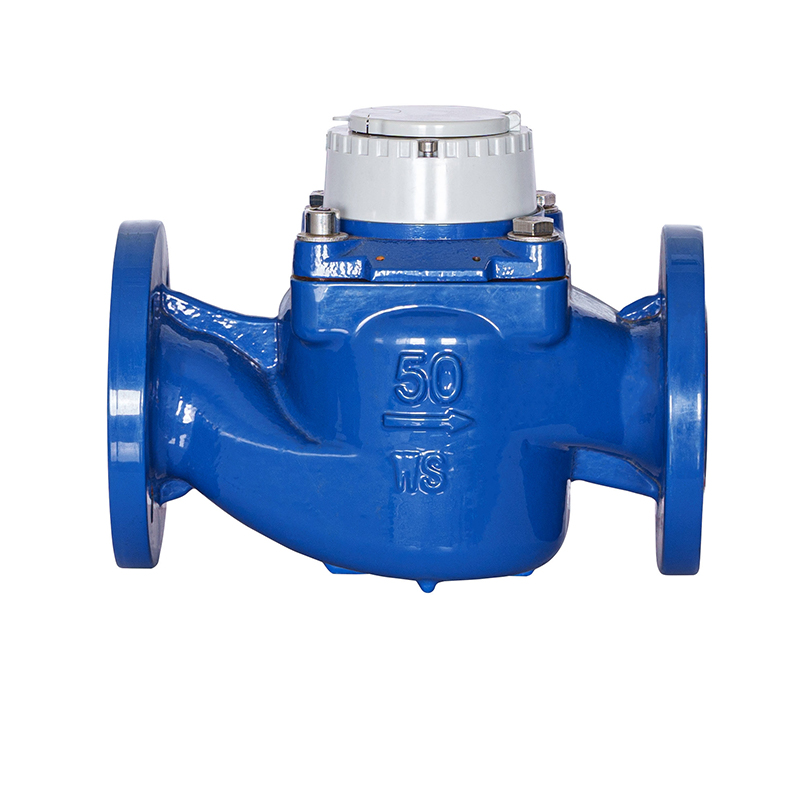
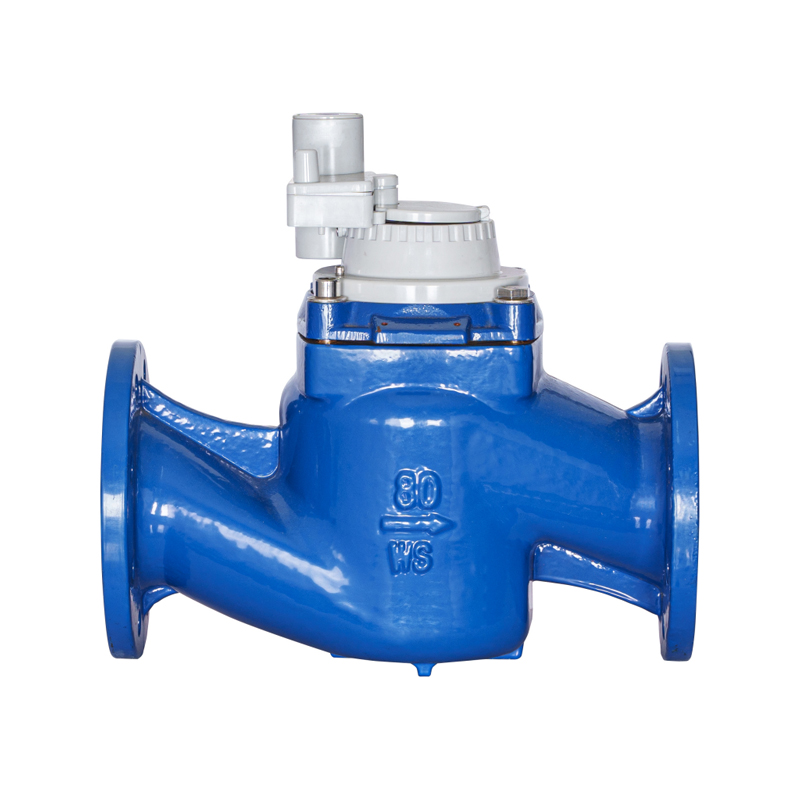
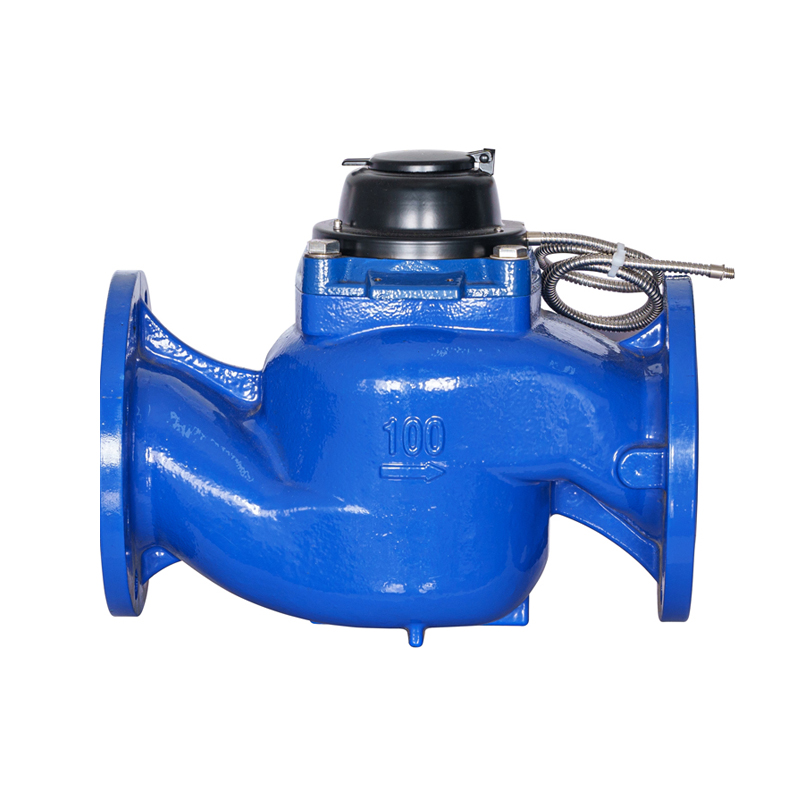
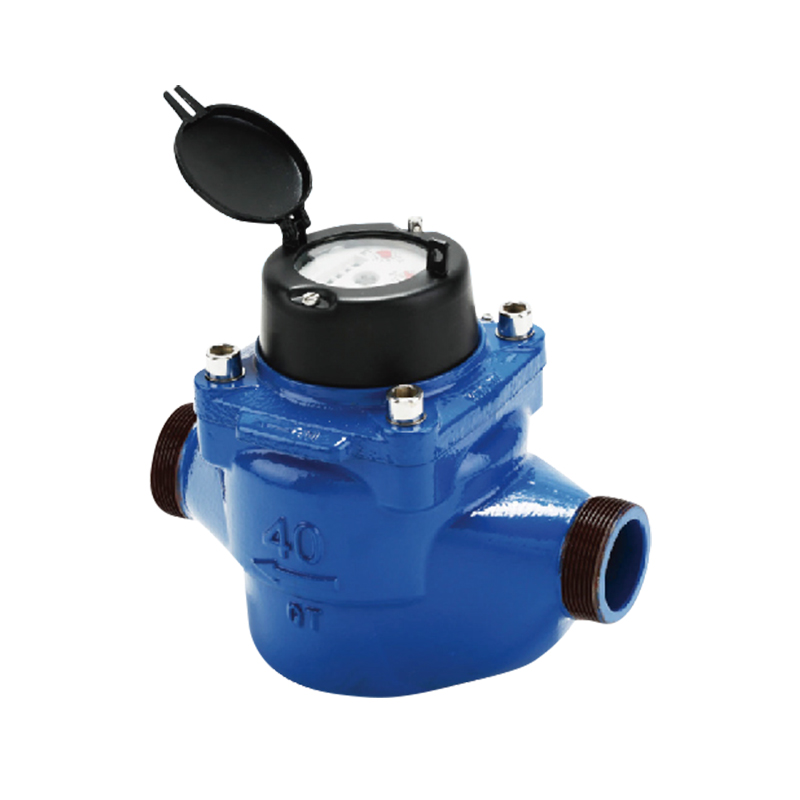
Industrial water meters are installed wherever water must be measured in high volumes or on large pipes: city distribution mains, factory inlet lines, cooling-water circuits, dedicated fire-protection supplies, and agricultural irrigation networks. Most industrial meters begin at DN40 and extend well beyond DN200; meters for main transmission lines reach DN600 or larger.
Three features separate an industrial meter from a residential one:
- A larger nominal diameter and a higher maximum continuous flow rate, usually expressed by the Q3 value on the nameplate.
- A measuring mechanism designed for long service intervals and in-situ inspection rather than simple replacement.
- Optional output modules for pulse, direct reading, or NB-IoT communication that feed the reading into an existing telemetry platform.
The table below summarizes the practical differences between the two categories.
| Characteristic | Residential Meter | Industrial Meter |
|---|---|---|
| Nominal diameter | DN15 to DN40 | DN40 to DN600 |
| Flow pattern | Intermittent, low volume | Continuous, high volume |
| Low-flow accuracy | Helpful but not critical | Critical for loss control |
| Maintenance model | Entire unit replaced | Internal element exchanged |
| Required output | Visual readout | Pulse, direct reading, or NB-IoT |
When specifying a meter, the real challenge is not flange size but the match between the expected flow range and the meter's accuracy curve.
Spiral-Wing Meter Types and Their Operating Strengths
Most industrial water meters in service today are spiral-wing meters. A rotor sits directly in the flow path, and its speed tracks the water velocity. The orientation of the rotor changes the meter's behavior significantly.
Horizontal spiral-wing meters
In a horizontal spiral-wing meter, the rotor axis is parallel to the pipe direction. This design offers very low pressure loss and stable accuracy under steady, continuous flow, which makes it the typical choice for district supply mains and plant inlet lines. Horizontal units also handle high flow rates well because the rotor runs on robust bearings. A more detailed technical review is available in our horizontal spiral-wing water meter guide.
Vertical spiral-wing meters
In a vertical spiral-wing meter, the rotor axis is perpendicular to the pipe. The impeller responds to lower flow velocities, so the meter is more sensitive at the lower end of the range. Vertical units are therefore preferred when a line carries strongly varying loads, including very low night flow. They are common in commercial complexes and industrial side branches where accuracy must hold across a wide operating window.
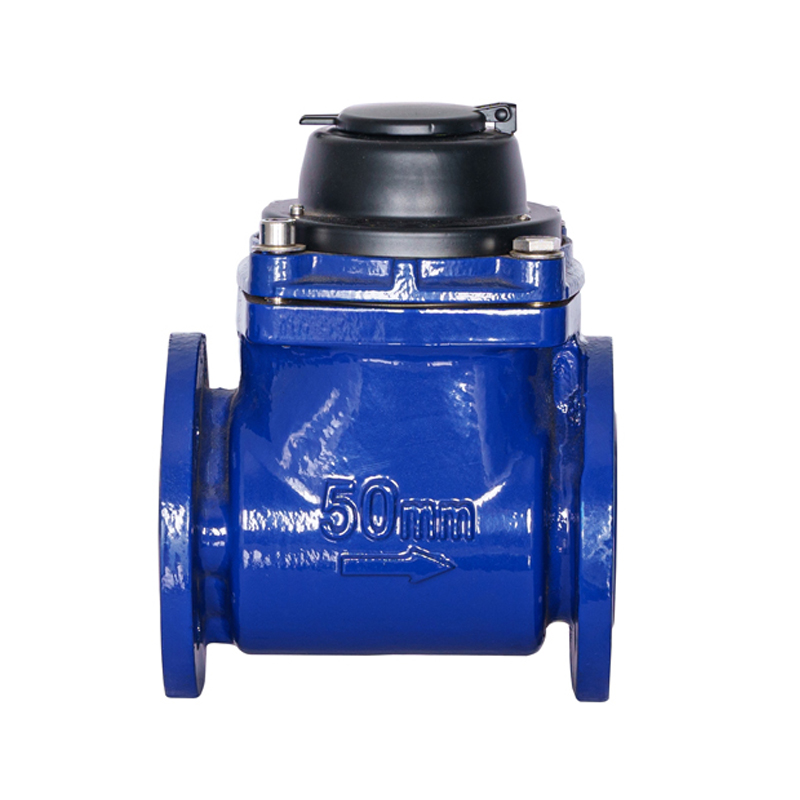
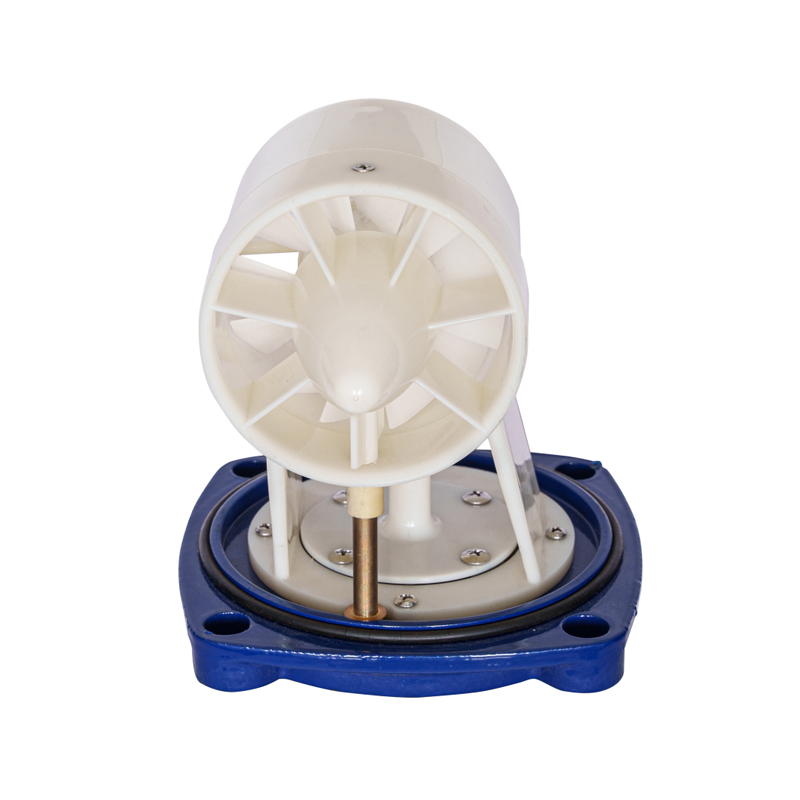 WPH DN50-DN200 Horizontal Detachable Spiral Wing Water MeterThis horizontal spiral-wing meter suits fluctuating industrial and commercial loads, with a wide measuring range, low starting flow, and no straight-pipe requirement. Its thermal-sprayed case and sapphire bearing system enhance durability and stability.View Product →
The choice between horizontal and vertical is driven by the flow profile, not by habit. The table below gives a side-by-side comparison for a typical installation.
| Aspect | Horizontal Spiral-Wing | Vertical Spiral-Wing |
|---|---|---|
| Rotor orientation | Parallel to the flow | Perpendicular to the flow |
| Pressure loss | Very low | Low |
| Low-flow sensitivity | Moderate | High |
| Best application | Steady, high-volume flow | Variable flow with low night use |
| Common size range | DN40 to DN600 | DN40 to DN200 |
Many industrial sites use both types: a horizontal unit on the main inlet for bulk supply and vertical units on branch lines where usage swings sharply between production shifts.
Why the R-Ratio Matters More Than the Nominal Diameter
The most underrated specification on an industrial water meter is its measuring range, expressed as the R-ratio or turndown ratio. The R-value equals the maximum continuous flow rate (Q3) divided by the minimum flow at which the meter still meets its accuracy class (Q1). An R80 meter and an R200 meter can have the same body size but very different abilities to register low flows.
Consider a plant inlet that sees 200 m³/h during the day and drops to 6 m³/h at night. A meter whose reliable range starts at 6 m³/h will register that night consumption. A meter that becomes accurate only above 15 m³/h will display the night flow as near zero. If the night flow is caused by a leaking valve, the loss disappears into the meter's blind zone and is never visible to management.
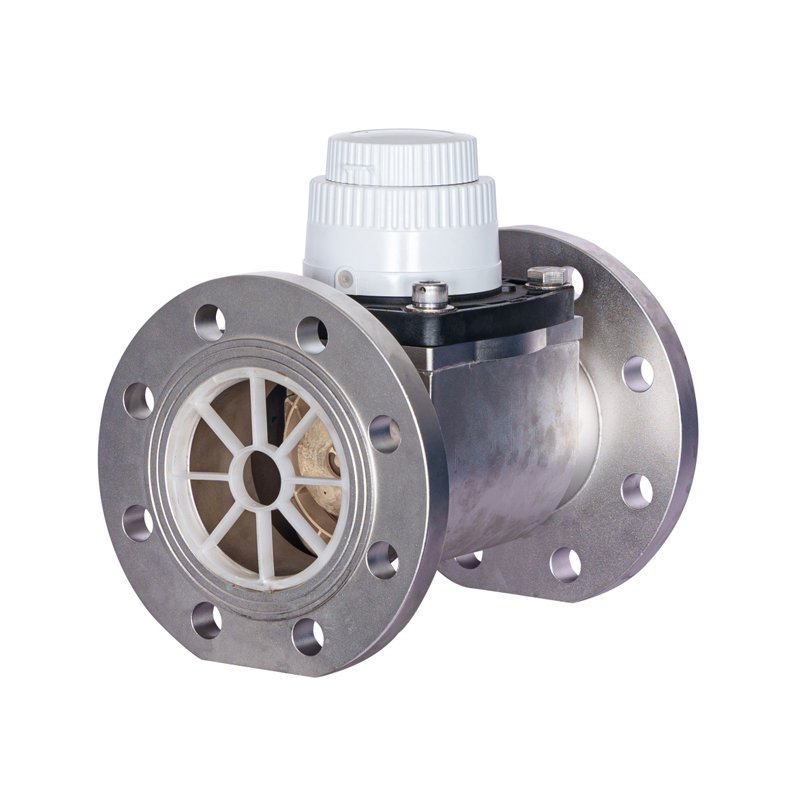 WPD DN40-DN200 R200 Wide Range Horizontal Spiral Wing Water MeterWith a wide range ratio up to R315 and sensitivity down to low night flows, this meter catches leakage that narrower-range models miss. It enables smart upgrades via non-magnetic signal pointers and supports wireless communication modules.View Product →
The practical effect of a wider R-ratio is that one meter can serve an installation that previously needed a bypass small-meter arrangement. It also improves the water balance calculation used for leak localization and reduces the uncertainty in monthly reconciliation reports. The additional cost of a wide-range design is small compared with the value of water that remains unmeasured over a ten-year service life.
Communication and Data Options for Industrial Operation
An industrial water meter becomes a management tool when its readings reach the system that acts on them. Depending on the available infrastructure, the meter can carry one or more of the following output technologies:
- Hall-element pulse sensors that output a set number of pulses per cubic meter to a PLC or SCADA system.
- Photoelectric direct-reading registers that capture the exact counter-wheel position and do not accumulate counting errors.
- Non-magnetic integrated sensing that avoids magnetic couplings, which suffer from iron-particle interference.
- NB-IoT modules that transmit readings over cellular networks where no local cabling is available.
For a factory or a utility, the first benefit of smart industrial metering appears in the water balance: when the inlet meter and the downstream meters are read at the same interval, the difference between them becomes a live leakage indicator instead of an end-of-month reconciliation surprise.
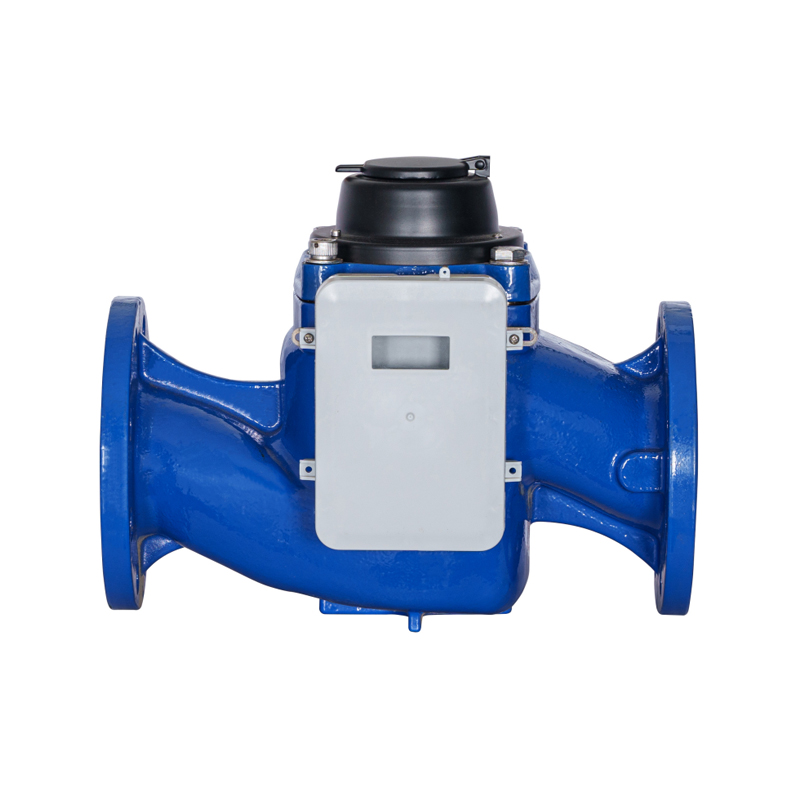 WS-DN40-DN200 High-Precision Vertical Screw Wing Detachable NB Water MeterThis vertical NB-IoT meter combines low-flow sensitivity with remote data transmission, ideal for isolated stations or irrigation intakes. The detachable movement and communication module allow easy on-site replacement without losing accuracy.View Product →
A vertical spiral-wing meter with NB-IoT output is a practical combination for an isolated pumping station or a large irrigation intake, because it combines low-flow sensitivity with remote reporting without a site visit. The same data path can be used to schedule maintenance, verify pressure management measures, and support automated invoicing in bulk supply contracts.
Installation, Maintenance, and Verification
The best meter specification fails if the hydraulic conditions around the meter are wrong. Two rules carry most of the weight in industrial installations:
- Keep sufficient straight pipe before and after the meter. A common rule is at least five pipe diameters upstream and two downstream for spiral-wing meters, with more distance after partially opened valves or bends.
- Install a strainer on dirty or newly commissioned lines. Sand, weld slag, and scale are the leading causes of premature rotor-bearing wear in industrial water meters.
Verification deserves as much attention as installation. Because industrial meters are expensive to dismantle and the process cannot be stopped for days, many models are built with a removable measuring element. The meter body remains in the pipeline while the internal cartridge is lifted out, exchanged, and sent for calibration. This design turns a full verification into a short maintenance window and makes periodic legal checks realistic.
Purchasing Considerations for Industrial Meters
Buying an industrial water meter can be reduced to three decisions, and it helps to make them in this order:
- Define the flow range. Collect at least one week of hourly flow data, or reconstruct peak and minimum night flows from pump schedules and tank levels. The R-ratio should be selected after this range is known, not before.
- Choose the accuracy class and communication interface. Confirm that the register type is compatible with the existing telemetry or leak-management system, and that the pulse constant matches the PLC input.
- Verify materials and service support. Ask about the material of the rotor and bearings, the availability of spare parts, calibration certificates, and the manufacturer's response time for technical questions.
When these three points are documented, the rest is mechanical selection: nominal diameter, flange standard, installation length, and register orientation. For bulk purchases, it is also useful to check whether the manufacturer can supply meters under a private label, adapt the register face, or change the pulse constant for a specific data logger. A company that controls its own tooling and assembly line is far more likely to offer that flexibility.
To review the sizes, technologies, and options discussed above, visit our industrial water meter product lineup.
An industrial water meter is a small component in a large water system, but it is the only component that turns physical flow into a management number. Choose it on the basis of the real flow range, the required accuracy at low flow, and the communication interface the operation can actually use. When those three factors are aligned, the meter becomes a reliable instrument for reducing losses, verifying bills, and planning capacity, rather than another source of unexplained discrepancies.