
 عربى
عربى

When you specify a DN150 horizontal spiral-wing water meter for a commercial building inlet, you are not buying a commodity. A meter that stays accurate for a decade protects revenue and supports leak management. A meter that drifts or fails after a few years creates unbilled flow and expensive inspection work. The real challenge is that commercial water meter manufacturers are not all equal in machining depth, product portfolio range, or long-term stability. So the decisive question is not which name is the most recognizable, but which factory can meet the technical requirements of your specific installation.
What “Commercial” Means in Water Metering: Scope and Requirements
Commercial water metering is defined by application, not only by pipe size. A residential meter mostly sees regular domestic flows. A commercial meter, however, often sits on municipal distribution mains, industrial plant intakes, commercial complex feeder lines, or agricultural irrigation trunk mains. These installations run at high flow for long periods, face sudden demand changes, and often act as the revenue or water-balance point for an entire district.
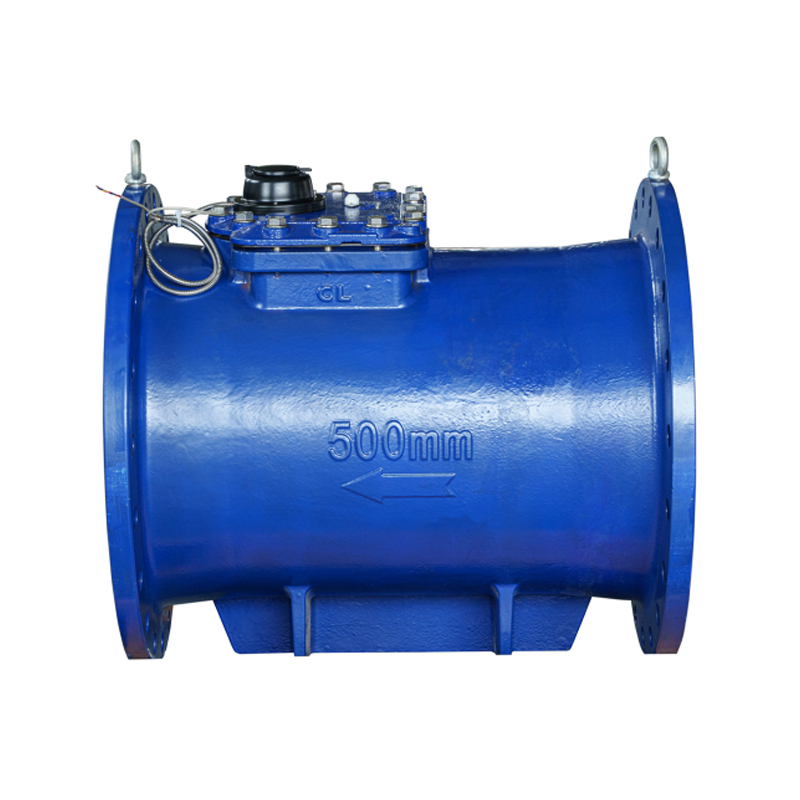
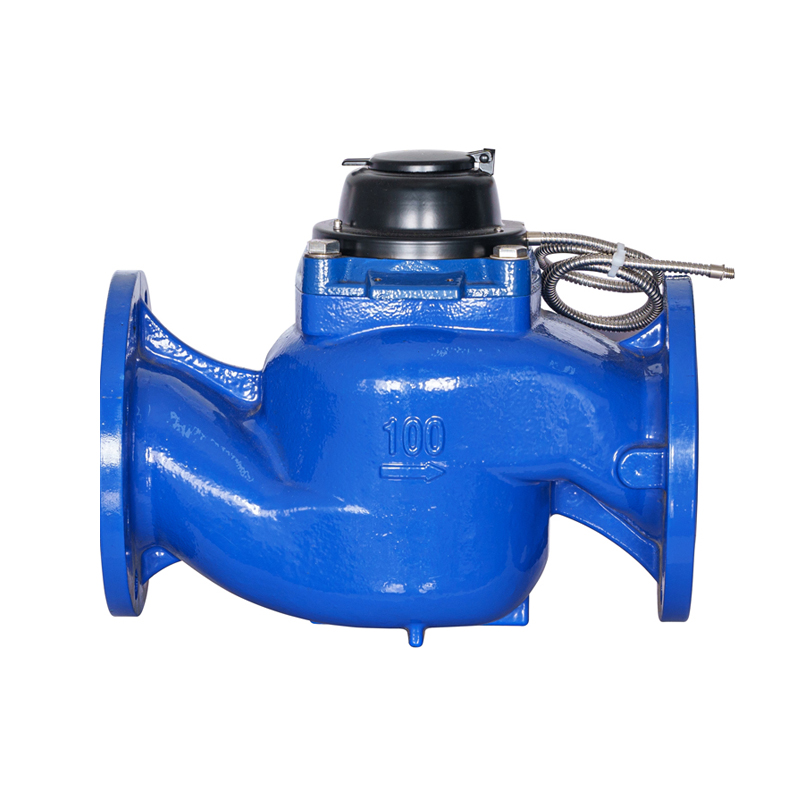
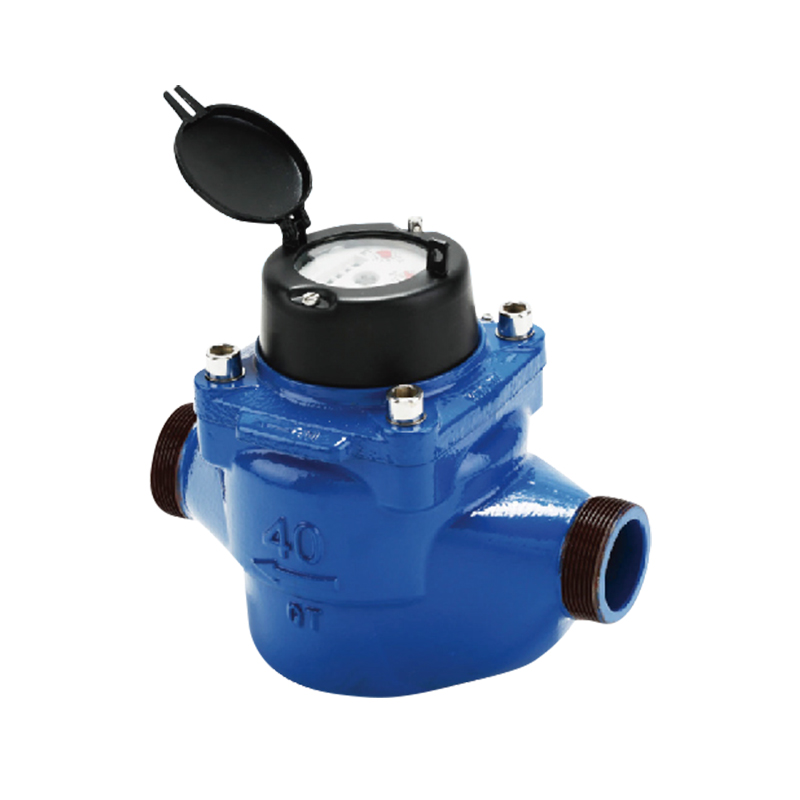
Although DN50 is a practical starting point, commercial projects commonly extend to DN600. The full commercial range therefore spans from DN40 to DN600. Within that range, two mechanical designs dominate the segment. Horizontal spiral-wing meters handle large flows with low pressure loss, which makes them suitable for continuous high-volume supply. Vertical spiral-wing meters offer better sensitivity at low flow and higher accuracy, which makes them useful for DMA zones, tank monitoring, and other precision points. Both designs belong in a manufacturer’s portfolio because they solve different measurement problems.
Six Technical Checks When Evaluating Commercial Water Meter Manufacturers
Use these six checks to evaluate a manufacturer before requesting a quote. Together they cover manufacturing depth, product range coverage, metering accuracy under real demand, telemetry readiness, maintenance practicality, and international sourcing.
1. Full-Chain Manufacturing Capability
Start with manufacturing capability. Is the factory producing the complete meter or simply assembling bought-in parts? A full-chain manufacturer controls design, mold making, injection molding, assembly, calibration, and packaging under one roof. That control matters because tolerance mismatches and seal failures usually come from gaps between processes, not from a single defect caught at final inspection. According to its website, Water Cube runs a complete production chain from mold design to finished-meter verification. For an OEM buyer, that vertical integration means faster customization, shorter samples, and more consistent batch quality.
2. Product Range Depth: Does the Portfolio Match Your DN Requirements?
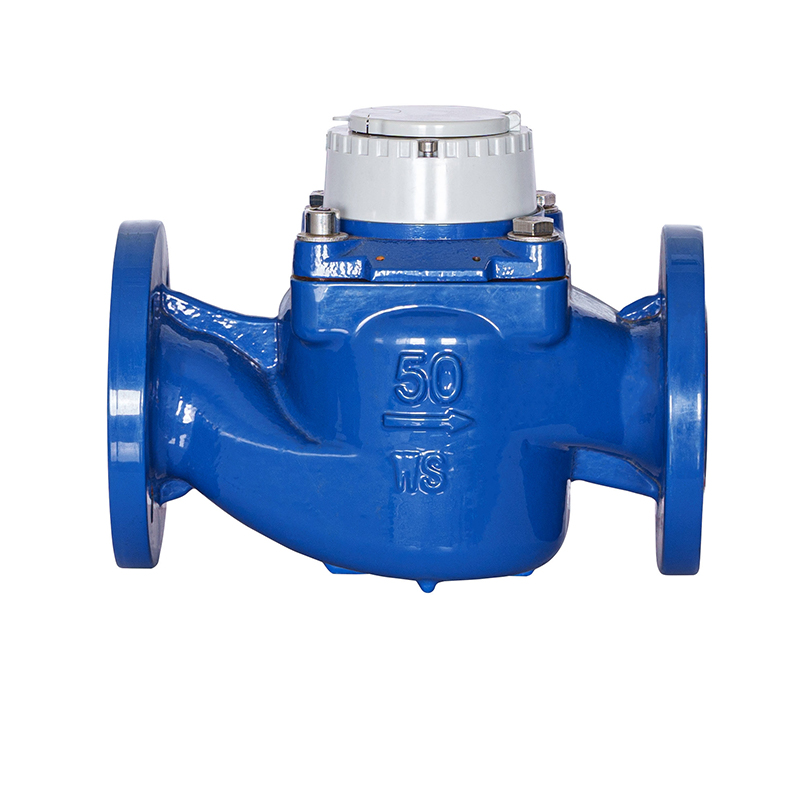
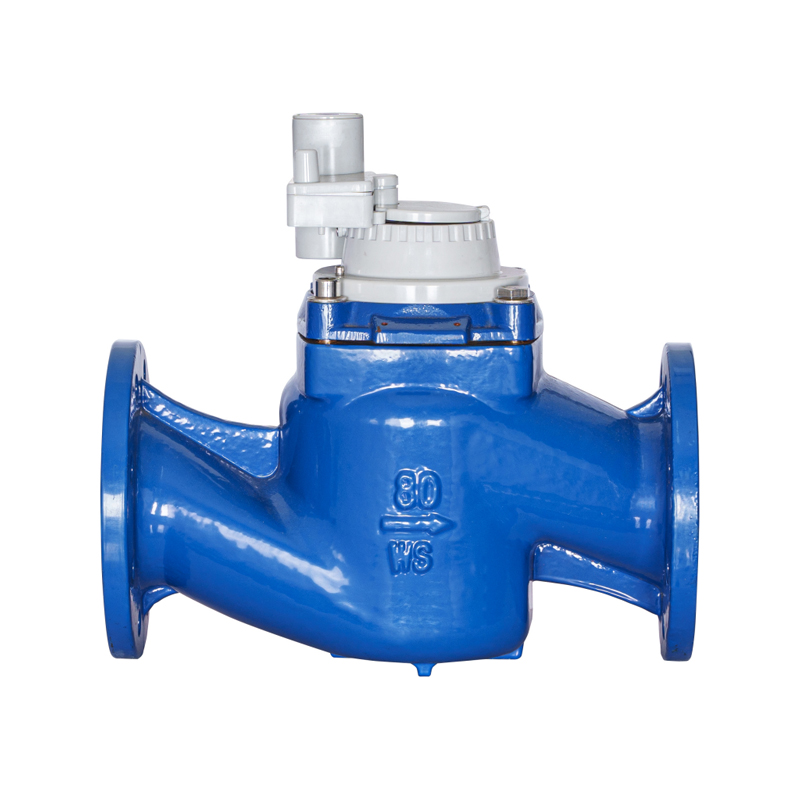
Next, check product range depth. A supplier that only covers DN50 to DN100 may look adequate until a second project requires DN200 or DN400. A serious commercial manufacturer should span the full set of nominal diameters you plan to procure. Water Cube’s WPH horizontal spiral-wing series covers DN40 to DN600, the WS vertical spiral-wing series covers DN40 to DN200, and the WPD wide-range series covers DN40 to DN200. A single manufacturer can therefore supply everything from a 2-inch lateral line to a 24-inch main, which simplifies spare part inventory, communication integration, and after-sales support.
3. Wide-Range Accuracy for Fluctuating Demand
Third, examine accuracy under fluctuating commercial demand. Supply networks do not run at constant flow. Night-time minimum flow may sit far below the daytime average, while peak morning demand can be several times higher. A meter with a narrow measuring range will under-register at one end or saturate at the other. The rangeability ratio R is the practical specification to compare. An R200 rating is a wide-range specification: the meter remains usable across both low night flows and high daytime peaks. This is especially important in DMA leakage control, where the smallest night-time flow is often the first sign of a leak. If the meter cannot see that flow, the leak stays invisible for weeks. Water Cube’s WPD series uses an R200 wide range, a fact visible in its product name. In practice, an R200 wide-range horizontal spiral wing water meter can serve as the main meter on a commercial line that experiences idle periods at night and heavy draw-off during business hours.
4. Remote-Reading Technology Options
Fourth, check remote-reading options. A commercial meter that cannot transmit data will have to be read manually, and manual reading is slow, expensive, and error-prone. Three approaches are common in large-caliber meters. Non-magnetic integrated sensors use an inductive design that resists impurities in water and provides a stable pulse signal. Photoelectric direct-reading mechanisms capture the actual dial position, which eliminates cumulative counting errors at the source. NB-IoT modules transmit data directly through the cellular network, providing wide coverage, low power consumption, and no need for expensive gateway infrastructure.
Water Cube’s WS vertical spiral-wing series includes all three options. That range of choices matters because your data platform may evolve over the meter’s lifetime. A manufacturer that supports multiple communication paths gives you flexibility instead of locking you into one protocol. For utilities preparing for centralized billing and alarm management, the NB-IoT vertical spiral wing water meter is the most direct upgrade path from a mechanical meter to a smart network endpoint.
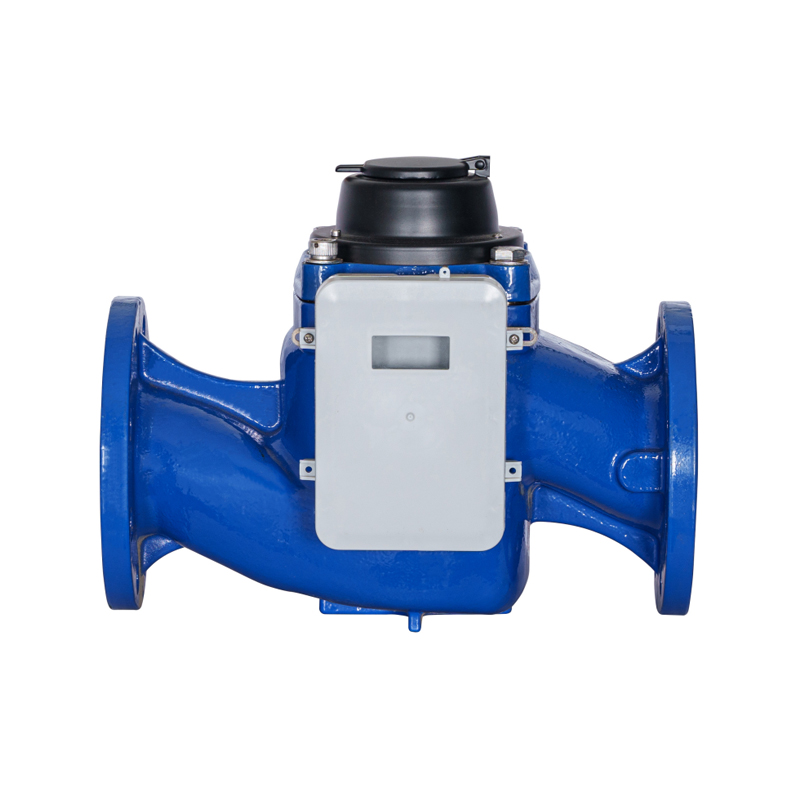 Wholesale WS-DN40-DN200 High-Precision Vertical Screw Wing Detachable NB Water MNingbo Water Cube Instrument Technology Co., Ltd. is China WS-DN40-DN200 High-Precision Vertical Screw Wing Detachable NB Water Meter Man...View Product →
5. Maintenance Convenience: The Value of a Detachable Mechanism
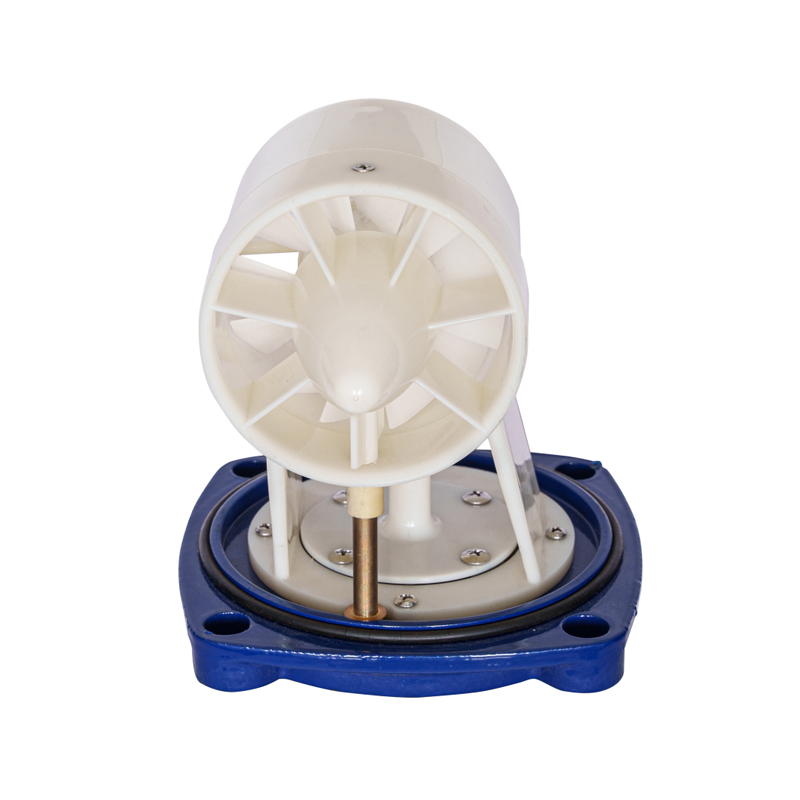
Fifth, consider maintenance convenience. On DN100 and above, replacing an entire meter is expensive and disruptive. A detachable mechanism allows the metering insert to be exchanged while the meter body remains in the pipeline. That design also makes periodic verification easier, because the insert can be sent to a test bench without cutting the line. Water Cube’s WPH and WS mainstream models are detachable structures, according to its published product descriptions. For a hospital, data center, or industrial process with no allowance for downtime, a detachable mechanism is not a nice-to-have; it is a working requirement.
6. Sourcing and Compliance Considerations for Global Buyers
Finally, evaluate sourcing and compliance factors for global buyers. An importer or utility procurement team needs more than a price list. Confirm whether the manufacturer can act as an OEM/ODM partner: private-label the meter, adjust flanges or connections, adapt communication protocols, and add auxiliary functions such as valve control. Water Cube’s catalog includes valve-controlled water meters and sensor assemblies, which indicates integration capability beyond the bare meter body.
During the inquiry stage, ask for factory photos, product specification sheets, calibration records, and any other document that verifies manufacturing depth. The company says it provides 7*24 response. Use that claim as a practical test by sending a detailed technical question and measuring how quickly you receive a coherent answer.
Matching Water Cube’s Product Line to Your Application Scenario
After the six checks, map the product series to the actual application. For municipal and commercial supply master meters, choose the horizontal spiral-wing design because it handles large flows with low pressure loss. Water Cube’s WPH series directly serves this role; the horizontal spiral wing water meter for commercial supply is a typical starting point for DN50 to DN200 inlet and distribution points.
 Wholesale WPH DN50-DN200 Horizontal Detachable Spiral Wing Water Meter ManufactuNingbo Water Cube Instrument Technology Co., Ltd. is China WPH DN50-DN200 Horizontal Detachable Spiral Wing Water Meter Manfacturers and ...View Product →
For smart metering nodes that require high accuracy and remote transmission, turn to the WS vertical spiral-wing series, especially the NB-IoT and photoelectric direct-reading models. For agricultural irrigation intakes, the WI irrigation series offers the flow-range adaptability and weather resistance needed in the field. For critical pipeline nodes that only need flow monitoring, the WS series also includes a dedicated pipeline monitoring meter with a compact layout. If the project includes shut-off requirements, the WPH valve-controlled meter combines volumetric measurement with an integrated stacked valve, reducing the need for a separate control valve in certain piping layouts.
Final Tips: Building Your Shortlist and Requesting Quotes
Once you have a shortlist, send the same technical specification to every manufacturer. A complete inquiry helps you compare responses on equal terms.
- State the nominal diameter, connection standard, pipe material, and water temperature.
- Give the maximum expected flow, minimum expected flow, and any known night-flow baseline.
- Specify whether remote transmission is required and which communication protocol you prefer.
- State the annual purchase volume and whether you are buying standard products or OEM/ODM units.
- Ask for a demonstration or video of the detachable mechanism, since this operational feature is difficult to judge from a specification sheet.
Treat faster and more precise responses as a qualification signal. A manufacturer that avoids technical questions during the sales stage will not become more technical after the order. Water Cube’s public product pages contain the dimensional range and series descriptions you need for comparison. The company does not replace a full evaluation, but it does offer a useful example of how a full-chain manufacturer covers the commercial metering segment from DN40 to DN600. With these checks, you can choose commercial water meter manufacturers based on manufacturing depth, product coverage, and service responsiveness, not on name recognition alone.